


 Ngôn ngữ: Vietnamese











Giải pháp
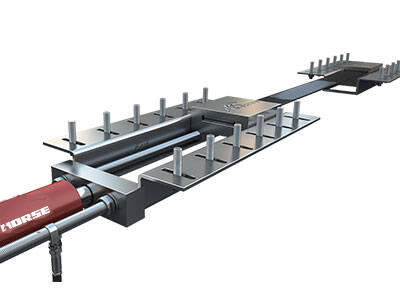
Horse Construction cung cấp đầy đủ các loại vật liệu gia cố kết cấu với hỗ trợ kỹ thuật, hỗ trợ tài liệu, hỗ trợ sản phẩm, hỗ trợ phần mềm, hỗ trợ dự án.
Độ dày sợi cacbon

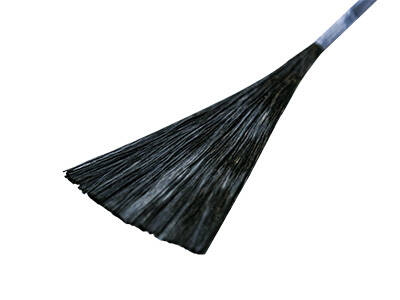
Tăng cường sợi carbon Thông thường bao gồm sự tăng cường sợi cacbon, các sợi cacbon, và các-bon kết hợp với nhau. Chúng sẽ bao gồm tính toán lực khi tăng cường cấu trúc, thứ chắc chắn sẽ sử dụng độ dày của sợi cacbon tổng hợp, vậy độ dày của sợi cacbon được xác định như thế nào? Bây giờ Horse Construction giới thiệu với tất cả mọi người:
Như mọi người đã biết, vải sợi cacbon được chia thành 300g và 200g tùy theo trọng lượng, và độ dày của chúng là 0.167mm và 0.111mm. Độ dày này đến từ đâu? Nó có được đo bằng máy ép không? Dĩ nhiên là không, độ dày này được tính toán.
Chúng ta biết rằng mật độ sợi cacbon là 1.8g/cm3, và khối lượng của 300g sợi cacbon trên một mét vuông là 300g.Theo V = M/G, V=300g/1.8g/cm3 = 167cm3, sau đó độ dày d = V/S = 167cm3 / 1m2 = 0.167mm. Tính toán này thực ra là độ dày trung bình của sợi cacbon, chứ không phải độ dày thật của nó. Độ dày của vải cacbon 200g và sợi cacbon cũng được tính dựa trên này. Biển carbon thì khác. Lớp cacbon được nghiền trong một khuôn tùy chỉnh, và độ dày của nó được xác định, và khi nói về các đặc điểm đặc trưng của đĩa carbon, độ dày cũng được đề cập trực tiếp.

Độ dày của các-bon là độ dày thật sự. Không còn nghi ngờ gì nữa. Tại sao vải cacbon và sợi cacbon thể hiện độ dày của nó như thế? Trong quá trình dệt vải cacbon chính và mesh, sẽ có một số khoảng trống. Nếu tính toán được thực hiện theo độ dày thực tế của vải cacbon và lưới, khoảng trống phải được trừ đi trong tính toán lực lượng, mà sẽ mang lại rắc rối lớn cho tính toán.
Trên thực tế, độ dày của một số sợi sợi aramid và vải thủy tinh được tính theo phương pháp này, và phương pháp này tiết kiệm được rất nhiều rắc rối cho mọi người trong việc tính toán.

Với sự phát triển nhanh chóng của đất nước tôi ' xây dựng và vận chuyển kinh tế, một phần đáng kể của các tòa nhà hiện đang có gây ra những vấn đề lịch sử do việc áp dụng các tiêu chuẩn về thiết kế thấp vào thời đó. Vì sự thay đổi về cách sử dụng một số tòa nhà, nên khó đáp ứng những đòi hỏi của tiêu chuẩn hiện thời, và cần được sửa chữa và gia cố gấp. Là một vật liệu gia cố chu kỳ, sợi cacbon thu hút sự chú ý và chú ý nhiều cho những lợi thế độc đáo như xây dựng dễ dàng, chi phí thấp và bền vững.
Bạn có thể tìm thấy mọi thứ bạn cần ở đây. Hãy tin tưởng và thử nghiệm các sản phẩm này, bạn sẽ thấy sự khác biệt lớn sau đó.

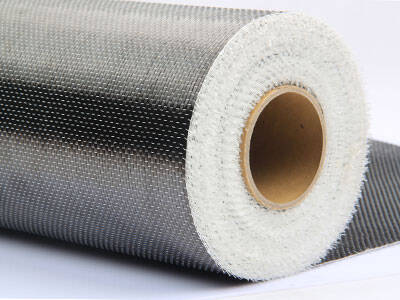
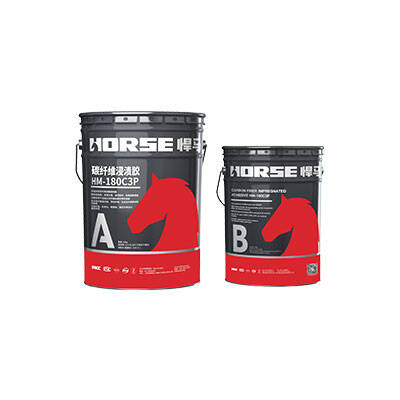
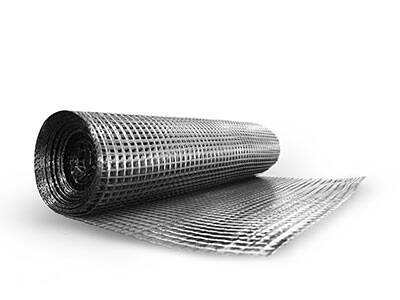
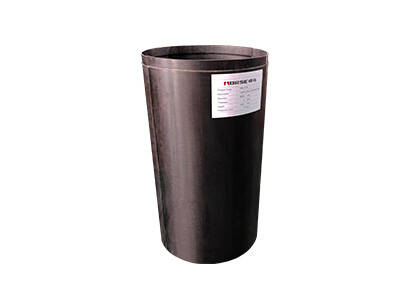
Lớp bọc sợi carbon đơn hướng, cường độ cao được bão hòa trước để tạo thành lớp bọc polyme gia cường sợi carbon (CFRP) dùng để gia cố các cấu kiện bê tông kết cấu.

Vải sợi carbon đơn hướng, cường độ cao được bão hòa trước để tạo thành vải polyme gia cố sợi carbon (CFRP) dùng để gia cố các cấu kiện bê tông kết cấu.

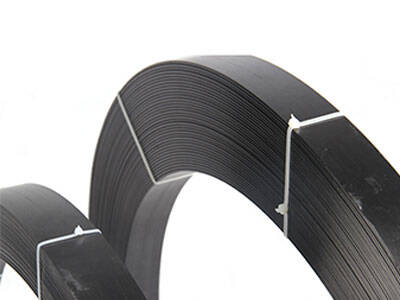
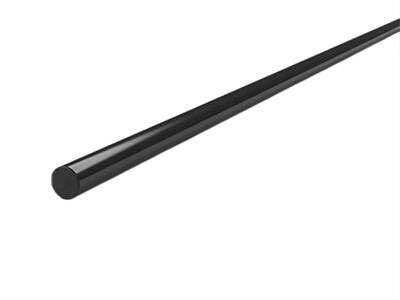
Tấm sợi carbon đơn hướng, cường độ cao được bão hòa trước để tạo thành tấm polyme gia cường sợi carbon (CFRP) dùng để gia cố các cấu kiện bê tông kết cấu.
