


 Ngôn ngữ: Vietnamese










Giải pháp
Horse Construction cung cấp đầy đủ các loại vật liệu gia cố kết cấu với hỗ trợ kỹ thuật, hỗ trợ tài liệu, hỗ trợ sản phẩm, hỗ trợ phần mềm, hỗ trợ dự án.
Làm thế nào để Bond Carbon Fiber đến mục Oblique của Beam dưới sự củng cố của thủy quân?

Có hai loại củng cố chính cho phần nổi bật của chùm tia. Một là khả năng kéo cắt không đủ của phần cốt bê tông nguyên thủy; phần còn lại là khả năng kéo cắt không đủ của phần cốt lõi của chùm vì phần thông thường được củng cố lại.
Để tăng cường phần thông thường của chùm tia, ống dẫn bị giảm rất nhiều khi bị hỏng, nhưng vẫn còn dễ dẫn hơn việc cắt lông.Do đó, sợi cacbon đã gia cố chùm tia nên vẫn tránh bị hư.
Các cuộc thử nghiệm tồn tại cho thấy sợi cacbon gắn ở đáy của chùm tia đã được tăng cường hầu như không ảnh hưởng gì đến khả năng kéo. Vì vậy, khi tính toán khả năng chịu được trọng lượng của phần cốt lõi của chùm tia, ảnh hưởng của sợi cacbon được giữ lại ở dưới cùng của chùm tia sẽ bị lờ đi.
Phương pháp tăng cường sợi cacbon
Thông thường, sợi tơ được sắp xếp theo hướng có thể kiểm soát hiệu quả các vết cắt. Đối với việc gia tăng độ bền của phần tinh dịch của chùm tia, có ba phương pháp chính để liên kết sợi cacbon.
1. Toàn bộ khu vực chùm tia được bao quanh bởi các dải sợi cacbon, như được thấy trong hình (a) bên dưới. Loại phương pháp này ít dễ dàng để lột bỏ, và hiệu ứng củng cố tốt hơn. Tuy nhiên, trong hầu hết các trường hợp, các chùm tia và sàn được đúc thành một mảnh và không thể được bao bọc trong một gói kín. Việc áp dụng những phương pháp này tương đối ít.
2. Dán sợi cacbon ở cả hai bên của trục, như hình bên dưới cho thấy. Phương pháp này có xu hướng bóc vỏ, khả năng kéo cắt lông không cải thiện được nhiều, và hiệu ứng củng cố thì kém. Nói chung, phương pháp này không thích hợp.

3. Dán các dải sợi carbon ở mặt và mặt dưới (ba bên) của trục, đó là, dán vòng hình chữ U, như được hiển thị trong hình c-f ở trên. Loại phương pháp này có hiệu ứng củng cố tốt hơn và ứng dụng rộng hơn. Tuy nhiên, phương pháp củng cố này có thể tách ra ở đầu tự do của vòng hình chữ U, và cuối vòng hình chữ U cần phải được thả neo. Phương pháp nuôi đậu dài là phương pháp neo thường dùng, như được thấy trong hình bên dưới.

Mặc dù tất cả ba phương pháp có thể cải thiện khả năng kéo cắt của phần cốt lõi của chùm, phần bọc hoàn toàn hiệu quả hơn, tiếp theo là bao gồm hình chữ U, và hiệu quả của việc dán ở cả hai bên là kém. Hiện nay, hai phương pháp củng cố thường được sử dụng trong kỹ thuật: đóng gói hoặc dán vòng hình chữ U.
Bạn có thể tìm thấy mọi thứ bạn cần ở đây. Hãy tin tưởng và thử nghiệm các sản phẩm này, bạn sẽ thấy sự khác biệt lớn sau đó.

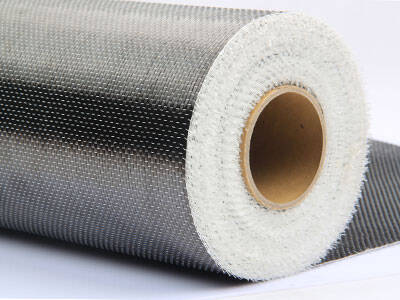
Lớp bọc sợi carbon đơn hướng, cường độ cao được bão hòa trước để tạo thành lớp bọc polyme gia cường sợi carbon (CFRP) dùng để gia cố các cấu kiện bê tông kết cấu.

Vải sợi carbon đơn hướng, cường độ cao được bão hòa trước để tạo thành vải polyme gia cố sợi carbon (CFRP) dùng để gia cố các cấu kiện bê tông kết cấu.

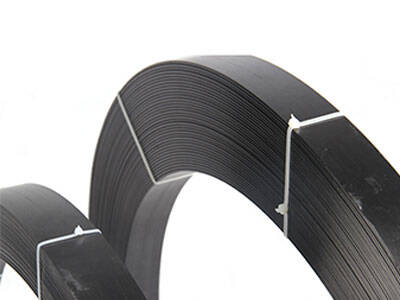
Tấm sợi carbon đơn hướng, cường độ cao được bão hòa trước để tạo thành tấm polyme gia cường sợi carbon (CFRP) dùng để gia cố các cấu kiện bê tông kết cấu.
