


 Ngôn ngữ: Vietnamese











Giải pháp
Horse Construction cung cấp đầy đủ các loại vật liệu gia cố kết cấu với hỗ trợ kỹ thuật, hỗ trợ tài liệu, hỗ trợ sản phẩm, hỗ trợ phần mềm, hỗ trợ dự án.
Lý do và phương pháp tăng viện sàn Slba

Trong kỹ thuật xây cất bê tông, thường cần phải thực hiện một số hoạt động trên sàn nhà, chẳng hạn như mở một cái lỗ trên sàn nhà. Sau khi mở được lỗ, tình trạng căng thẳng của tấm bảng đã thay đổi, và khả năng cứng và mang của tấm bảng sẽ được giảm đi. Vào lúc này, chúng ta cần được tăng cường. Những tình huống tương tự thường xảy ra trong việc củng cố cấu trúc bê tông. Trong những trường hợp bình thường, các phương pháp củng cố bảng điều khiển là gì?
Nói chung, có một số trường hợp cần được củng cố:
1. Không đủ năng lượng cho sàn nhà (thường tăng tải trên sàn nhà, chẳng hạn như thêm thiết bị;)
2. Sức mạnh của bê tông sàn nhà là không đủ tiêu chuẩn;
3. Trang trí sàn nhà.

Những phương pháp củng cố dưới đây thường được dùng để củng cố sàn:
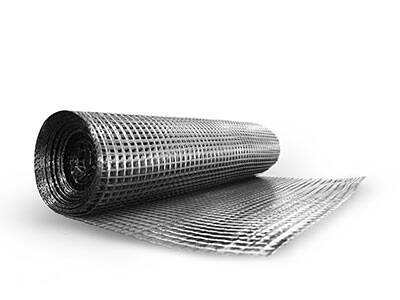
Phóng to phần đĩa để tăng cường phương pháp. Phương pháp tăng phần bảng củng cố là thêm một lớp sau khi đổ bê tông được gia cố với độ dày không dưới 40mm trên bề mặt hoặc dưới bề mặt bảng. Để tạo điều kiện cho công trình xây dựng, bề mặt đá thường được dùng để tạo thành sàn nhà cứng nhắc. Nếu cần phải dùng phần dưới của tấm ván để đổ lớp sơn, thì phần dưới của tấm bảng phải được đục và phun để xây dựng. Những thanh thép gia cố sẽ là những thanh thép cuộn nóng, và đường kính của những thanh thép căng thẳng sẽ không nhỏ hơn 8mm.
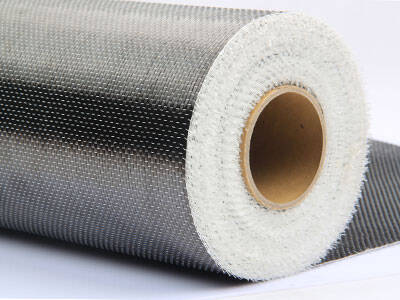
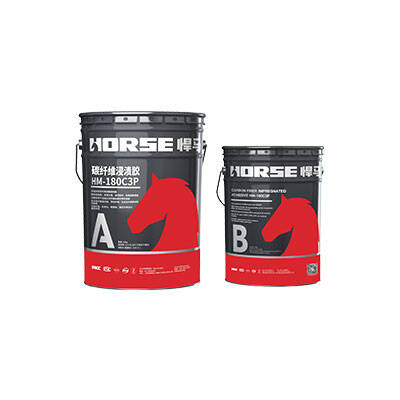
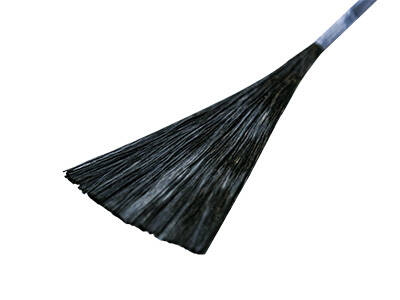
Sàn nhà được gia cố bằng vải sợi cacbon. Phương pháp kết dính sợi cacbon là gắn vải sợi cacbon dọc theo chiều dài của miếng đá tới phần căng nhất của mặt đá dưới cùng thông qua keo cấu trúc, và cuối cùng phải được neo vững chắc. Lợi thế là sợi cacbon có trọng lượng nhẹ và cường độ cao, và có thể được dán nhiều lớp. Sau khi được tăng cường, cơ bản nó không làm tăng trọng lượng của thành viên gốc, và cũng không ảnh hưởng đến cấu trúc bề ngoài. Nó không chỉ có thể cải thiện khả năng vận dụng cấu trúc mà còn làm tăng tính cứng nhắc của cấu trúc.
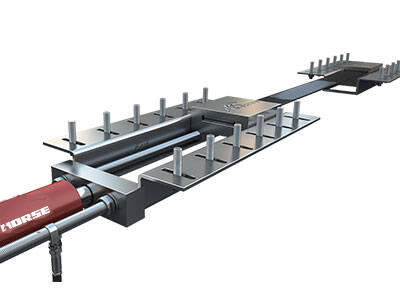
Sàn nhà được dán bằng những tấm thép. Bên cạnh giả định cơ bản về khả năng mang của phần thông thường, phương pháp bọc thép đĩa để tăng cường các đĩa đệm hình tròn cũng nên đáp ứng các yêu cầu sau:
1) Khi xem xét ảnh hưởng của lực thứ hai, người ta nên xác định loại kim loại này theo lực ban đầu của lực củng cố thành viên.
2) Trước khi đạt đến tình trạng tối hậu về khả năng chịu đựng trọng lượng linh hoạt, không có tấm thép nào được kết nối bên ngoài và bê tông nên được kết nối và bóc vỏ.
3) Sau khi bộ phận cấu trúc bê tông được gia cố, khả năng chuyển hóa của phần bình thường sẽ không vượt quá 40%, và khả năng kéo cắt lông sẽ được kiểm tra. Tránh sự gia tăng của khả năng dẫn điện dao động, dẫn đến việc cắt lông của thành viên trước khi chức năng uốn cong bị hỏng.
Bạn có thể tìm thấy mọi thứ bạn cần ở đây. Hãy tin tưởng và thử nghiệm các sản phẩm này, bạn sẽ thấy sự khác biệt lớn sau đó.

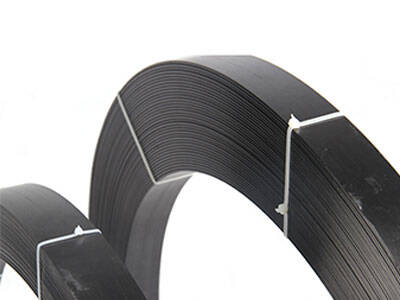
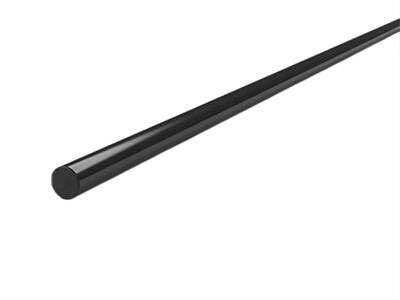
Dải / tấm polyme gia cường sợi carbon (CFRP) cường độ cao để gia cố kết cấu và sửa chữa bê tông

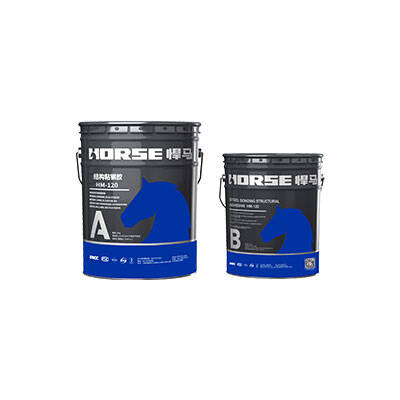
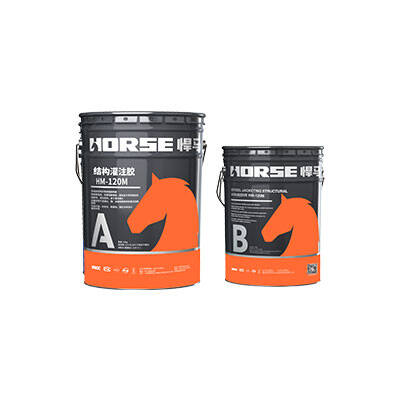
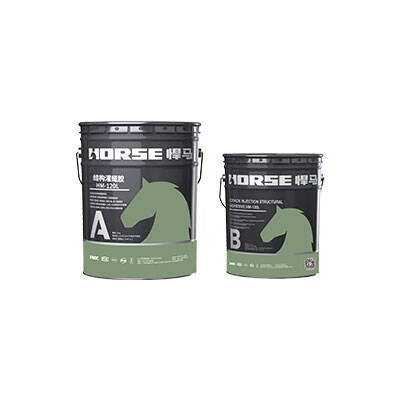
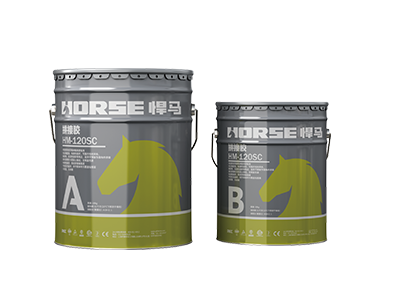
Keo liên kết tấm thép kết cấu HM-120 là sản phẩm epoxy hai thành phần, có độ bám dính mạnh, đóng rắn ở nhiệt độ phòng. Có đặc tính chống lão hóa, chống va đập tuyệt vời trong khả năng tự bám dính và bám dính lẫn nhau của thép và bê tông, với tốc độ cắt cao

Tấm sợi carbon đơn hướng, cường độ cao được bão hòa trước để tạo thành tấm polyme gia cường sợi carbon (CFRP) dùng để gia cố các cấu kiện bê tông kết cấu.
