


 Ngôn ngữ: Vietnamese











Giải pháp
Horse Construction cung cấp đầy đủ các loại vật liệu gia cố kết cấu với hỗ trợ kỹ thuật, hỗ trợ tài liệu, hỗ trợ sản phẩm, hỗ trợ phần mềm, hỗ trợ dự án.
Làm thế nào để tăng cường sàn nhà với không đủ sức chịu đựng?Hai phương pháp củng cố này thường được sử dụng bởi các công ty củng cố cấu trúc

Đầu tiên, phải tăng cường sức chịu đựng của sàn nhà.Theo các chức năng khác nhau của các tấm sàn, giá trị chịu được trọng lượng là khác nhau, và sau đó phương pháp củng cố tương ứng có thể được sử dụng để củng cố sàn nhà.
Toàn bộ giá trị là 2.0-3.5 (kN/m2)
1. Trại dưỡng lão, ký túc xá, khách sạn, tòa nhà văn phòng, bệnh viện, bảo mẫu, nhà trẻ
2.0 (kN/m2);
2. Phòng học, phòng thí nghiệm, phòng đọc sách, phòng hội nghị, phòng bệnh nhân ngoại trú, căng-tin, nhà hàng, kho lưu trữ thông tin chung 2.5 (kN/m2);
3. Phòng chiếu phim, rạp chiếu phim, chỗ ngồi cố định, phòng giặt đồ công cộng 3.0 (kN/m2).
Giá trị chịu tải của bảng điều khiển cho mục đích đặc biệt
1. Các cửa hàng, phòng trưng bày, trạm, cảng, sân bay và các phòng chờ hành khách của họ, đứng không có ghế cố định
3.5 (kN/m2);
2.Gym, sân khấu trình diễn, phòng khiêu vũ
4.0 (kN/m2);
3. Cả chồng sách, kho lưu trữ, kho lưu trữ
Năm.0 (kN/m2);
4. chồng sách trong tủ dày đặc
Mười hai.0 (kN/m2);
Năm. Phòng máy thông gió, phòng máy thang máy.
Bảy.0 (kN/m2).
Hai phương pháp củng cố chính được sử dụng để tăng cường sàn: gắn thép lên và gắn sợi cacbon vào.Hai phương pháp củng cố này có lợi thế và bất lợi riêng trong các ứng dụng kỹ thuật tăng cường, như sau:

Name
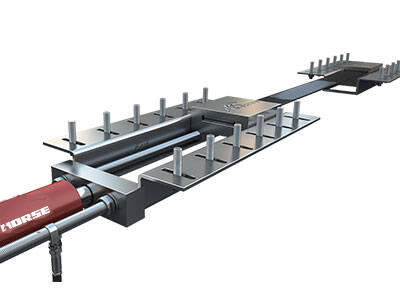
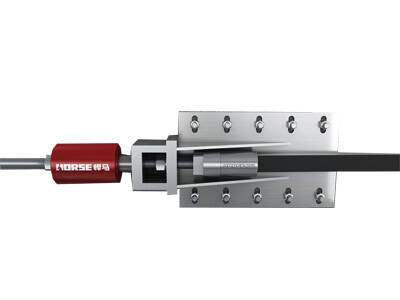
Khung thép và sàn nhà được đúc thành một toàn bộ, và khung thép được nối liền trên các trục, và trọng lượng hoạt động trên sàn nhà được chuyển trực tiếp đến các trục thông qua khung thép, do đó cải thiện phương pháp chịu tải của các tấm sàn.
Tăng cường sợi carbon
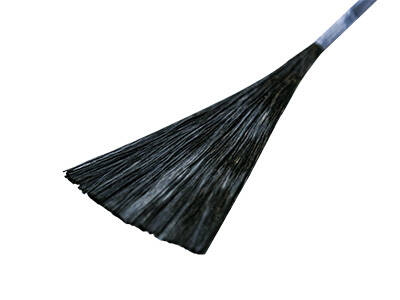
Lớp sợi cacbon được dán đều ở đáy sàn nhà và được kết nối với sàn nhà và các chùm trên sàn nhà, và trọng lượng trên sàn nhà được chuyển đến các chùm thông qua sợi cacbon kéo dài, để làm tăng tải trọng lượng của sàn nhà.
Lợi thế và bất lợi của hai phương pháp củng cố lại là rất rõ ràng. Sự gia cố bằng thép rất rẻ, dễ xây dựng và không đòi hỏi phải xây thêm. Điều bất lợi là nó có khả năng chịu được sức nặng giới hạn và hy sinh chiều cao của nhà máy. Lợi thế và bất lợi của việc tăng cường sợi cacbon chỉ là đối lập với tăng cường thép, có hiệu quả tốt trong việc cải thiện khả năng chịu được trọng lượng và đòi hỏi ít bảo trì hơn.
Hai phương pháp tăng sức chịu đựng trên sàn có thể cải thiện khả năng chịu được trọng lượng của sàn nhà. Tuy nhiên, phương pháp củng cố cụ thể cần được chọn theo các chức năng khác nhau, giá trị khác nhau của việc tải trực tiếp, môi trường xây dựng tại địa điểm, tính năng dự án và các yếu tố khác để chọn một kế hoạch tăng cường thiết kế mục tiêu.
Bạn có thể tìm thấy mọi thứ bạn cần ở đây. Hãy tin tưởng và thử nghiệm các sản phẩm này, bạn sẽ thấy sự khác biệt lớn sau đó.

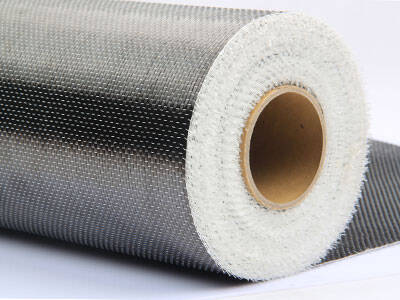
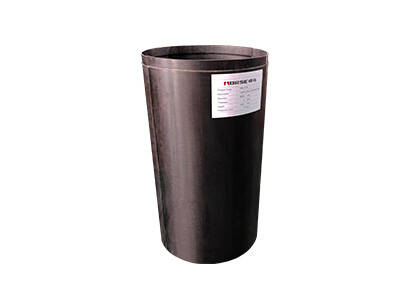
Lớp bọc sợi carbon đơn hướng, cường độ cao được bão hòa trước để tạo thành lớp bọc polyme gia cường sợi carbon (CFRP) dùng để gia cố các cấu kiện bê tông kết cấu.

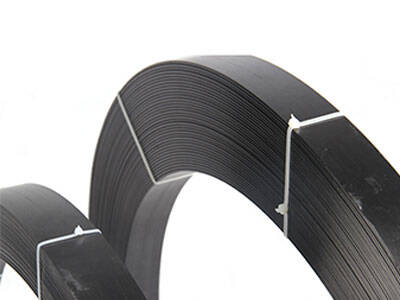
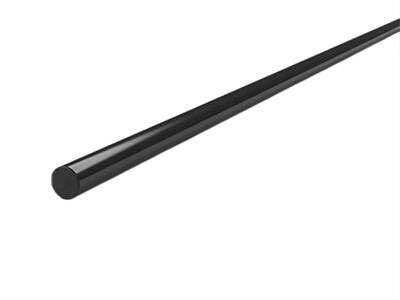
Dải / tấm polyme gia cường sợi carbon (CFRP) cường độ cao để gia cố kết cấu và sửa chữa bê tông

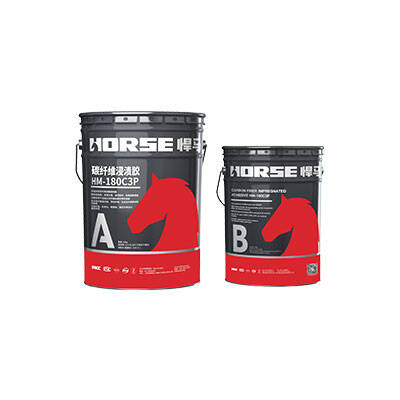
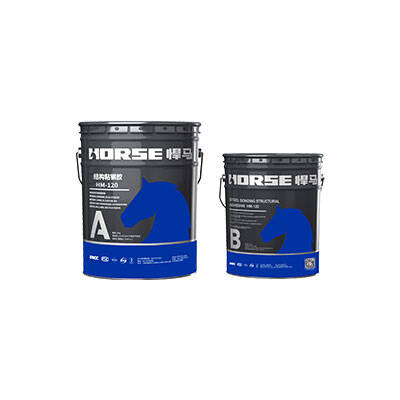
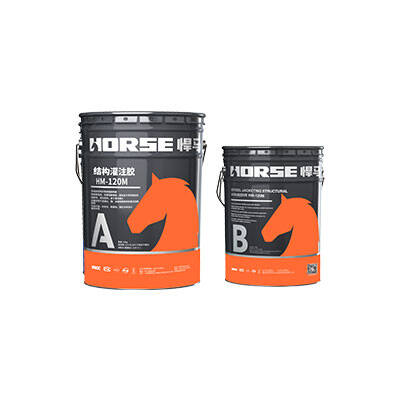
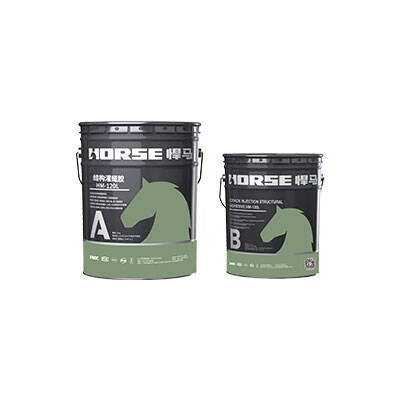
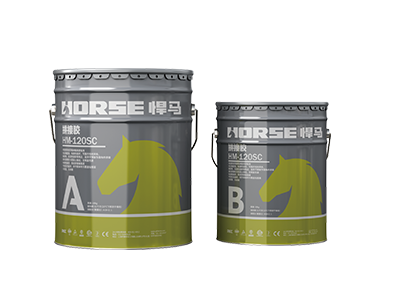
Keo liên kết tấm thép kết cấu HM-120 là sản phẩm epoxy hai thành phần, có độ bám dính mạnh, đóng rắn ở nhiệt độ phòng. Có đặc tính chống lão hóa, chống va đập tuyệt vời trong khả năng tự bám dính và bám dính lẫn nhau của thép và bê tông, với tốc độ cắt cao
