


 Ngôn ngữ: Vietnamese











Giải pháp
Horse Construction cung cấp đầy đủ các loại vật liệu gia cố kết cấu với hỗ trợ kỹ thuật, hỗ trợ tài liệu, hỗ trợ sản phẩm, hỗ trợ phần mềm, hỗ trợ dự án.
CFRP một chiều các bon Fiber Superctuaction

Đặc điểm chính của sợi cacbon là độ bền đặc trưng cao so với trọng lượng của nó. Sản phẩm được gia cố với sợi cacbon giữ được độ bền được biết đến cao nhất, và về mặt tiêu thụ vật chất và trọng lượng, chúng sinh lợi nhiều hơn so với thép thường được sử dụng ngày nay.
Đặc điểm đáng chú ý nhất của sợi cacbon là khả năng quảng cáo cực kỳ cao. Lợi ích của việc sử dụng sợi cacbon tăng cường có thể ngăn ngừa các chất bẩn tự nhiên, thuốc nhuộm và chất giải độc vào không khí. Cùng lúc đó, khả năng quảng cáo hoàn toàn vô hại đối với chính sợi cacbon.
Lợi ích của việc sử dụng sợi cacbon
Nói chung, hai đặc tính của sợi cacbon là thú vị đối với kiến trúc. Các loại vật liệu củng cố đa mặt đầu tiên được sử dụng để làm cho vật liệu có độ cứng cao hơn và sức nén cao hơn. Cấu trúc được gia cố với 5-10 sợi dày khác nhau. Điều có ý nghĩa là chúng ta phải thiết lập bề mặt trang trí và cấu trúc của tòa nhà.
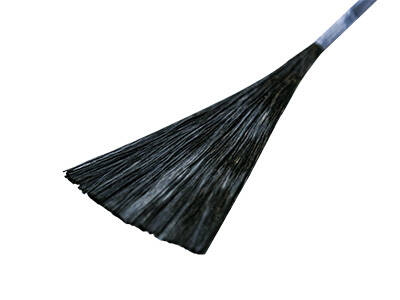
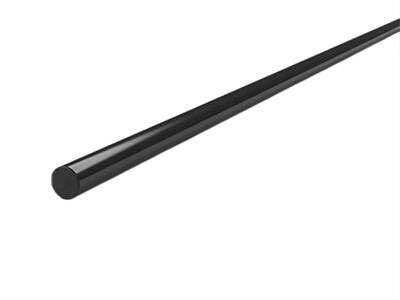
Mục tiêu thứ hai của sợi cacbon trong ngành công nghiệp xây dựng đã được tăng cường được đạt được thông qua các sợi chính được xử lý thêm, mà có dạng vải, sợi, sợi chỉ, dây thừng và thanh được gia cố bằng nhựa dẻo. Trong trường hợp này, sợi cacbon sẽ không tự làm cho lõi của nó trở nên bền vững, nhưng cung cấp cho nó một nền tảng đáng tin cậy, chống nước mắt.
Nhưng những lợi ích của sợi cacbon là gì? Tại sao lại chọn sợi cacbon thay vì kim loại hiếm? Hãy để' bắt đầu với thực tế rằng đối thủ cạnh tranh gần nhất với sợi cacbon là sợi thủy tinh, khá phổ biến dưới dạng sợi thủy tinh dày bên trong. Tuy nhiên, thủy tinh có lượng nước mắt thấp hơn và trọng lượng cao hơn nhiều, trong khi khí cacbon không những mạnh, mà còn tốt hơn khi gắn kết với vật liệu rắn xung quanh vì nó có độ bền cao sẵn có.

Sử dụng sợi cacbon
Bằng cách thêm sợi cacbon vào thành phần chất làm đầy chất lỏng, các thành phần chịu lực của các tòa nhà đã được định sẵn ở nơi công trường hoặc trong các nhà máy có thể được tăng cường. Ngày nay, người ta có thể mua sợi cacbon với số lượng lớn để làm giảm độ dày của tường, cột và những phần tử cấu trúc bê tông khác chịu căng thẳng dọc theo trục dọc. Vì vậy, nhiều không gian được giải phóng để làm cách nhiệt cấu trúc hoặc cách nhiệt.
Loại vật liệu này sẽ đặc biệt thú vị đối với những người đam mê chất chồng mà công việc sợi cacbon hoàn toàn được nhìn thấy. Xét đến tất cả các lề an toàn được đề nghị, sức ép của cột trụ được giữ vững từ 12 đến 15 tấn, và độ dày khoảng 80 mm. Chỉ có hai sợi chất kết dính trong đó, trong khi sợi cacbon di chuyển nằm ở hai bên.
Cần bao nhiêu sợi cacbon để củng cố bê tông? Nó không bao giờ chỉ là tài khoản cho 0.05-0.12% chất lượng của bê tông hoàn thành. Khi nói đến các cấu trúc thủy lực hoặc mái nhà bê tông bị chốt, sự tập trung còn cao hơn.
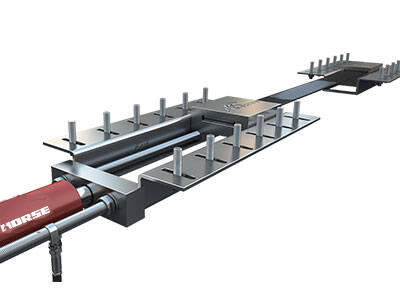
Hệ thống tăng cường cấu trúc bên ngoài
Cấu trúc được gia cố bởi sợi cacbon rất mạnh và thậm chí có thể được sử dụng như một sự tăng cường kết cấu nặng nề. Từ những tòa nhà dân cư cao tầng cho đến những cấu trúc khung hình đã được định sẵn, những dải được củng cố bên ngoài cung cấp sức kháng cự chưa từng thấy đối với quá tải hoạt động.
Quan trọng nhất, lõi của đơn vị (giữ các thanh thép nhúng) được đúc như thường lệ, nhưng lớp bảo vệ bê tông ở hai bên thì tối thiểu. Sau khi loại bỏ công trình tạo mẫu, sản phẩm (hoặc nó là một xi lanh hoặc một băng gắn kết) được bao bọc bởi một lớp vải cacbon hoặc sợi dày, và sau đó đổ vào bê tông sợi băng. Phương pháp này loại bỏ việc cần phải dùng bê tông đá hoa cương nặng với những đặc tính mạnh mẽ. Hơn nữa, thậm chí lớp bê tông nhỏ nhất bằng cacbon có thể giảm đáng kể sự kết dính của các vật liệu gia cố.
Bạn có thể tìm thấy mọi thứ bạn cần ở đây. Hãy tin tưởng và thử nghiệm các sản phẩm này, bạn sẽ thấy sự khác biệt lớn sau đó.

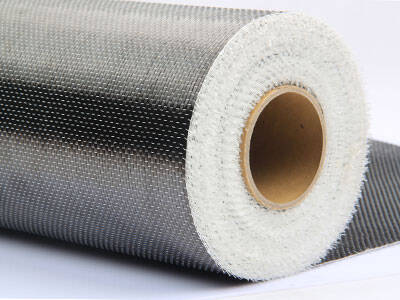
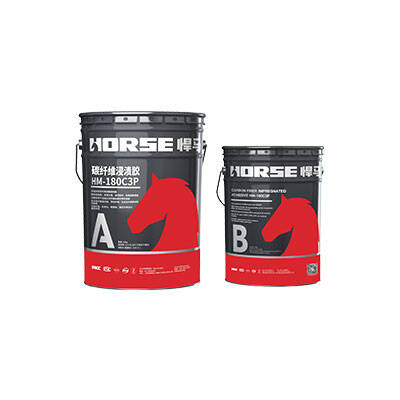
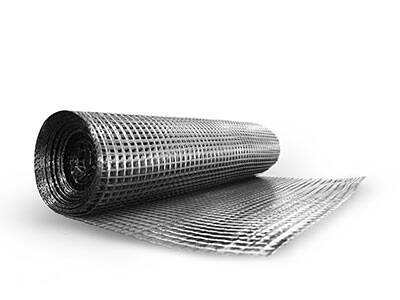
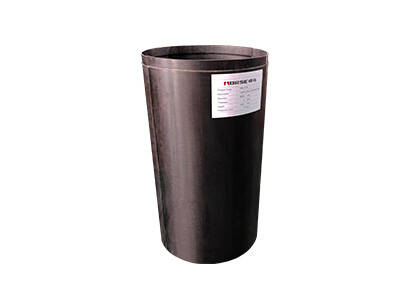
Lớp bọc sợi carbon đơn hướng, cường độ cao được bão hòa trước để tạo thành lớp bọc polyme gia cường sợi carbon (CFRP) dùng để gia cố các cấu kiện bê tông kết cấu.

Vải sợi carbon đơn hướng, cường độ cao được bão hòa trước để tạo thành vải polyme gia cố sợi carbon (CFRP) dùng để gia cố các cấu kiện bê tông kết cấu.

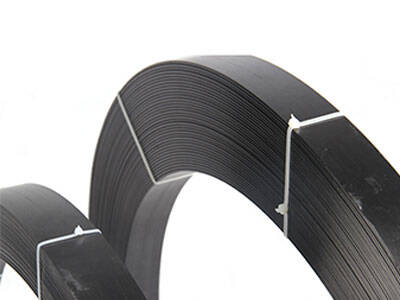
Tấm sợi carbon đơn hướng, cường độ cao được bão hòa trước để tạo thành tấm polyme gia cường sợi carbon (CFRP) dùng để gia cố các cấu kiện bê tông kết cấu.
