


 Ngôn ngữ: Vietnamese










Giải pháp
Horse Construction cung cấp đầy đủ các loại vật liệu gia cố kết cấu với hỗ trợ kỹ thuật, hỗ trợ tài liệu, hỗ trợ sản phẩm, hỗ trợ phần mềm, hỗ trợ dự án.
Tại sao chúng ta không thể dùng thuốc kháng sinh không bão hòa như là một dự án cải tạo cấu trúc?

Gần đây, vì giá nhựa epoxy thượng nguồn tăng vọt, nên giá keo gia cố cũng tăng phù hợp với giá đó, khiến nhiều nhà sản xuất và khách hàng phàn nàn. Vào lúc này, có rất nhiều tiếng nói trong thị trường, chẳng hạn như việc có thể sử dụng nhựa polyestister chưa được lọc thấp hơn thay vì nhựa epoxy như chất keo...
Dậy đi!
Dậy đi!
Dậy đi!
Rõ ràng câu trả lời là: Không!
Theo sự cung cấp của GB 50367-13 " Thiết kế thiết kế của cấu trúc đặc biệt ": " bị nghiêm cấm không được sử dụng chất polyester và nhựa alkyd như chất kết dính trong việc củng cố cấu trúc chịu tải."
Dây buộc dùng trong cấu trúc chịu tải phải được kiểm tra để có sức mạnh kéo sợi dây. Trong lúc thanh tra, nên xác định giá trị tiêu chuẩn của sức mạnh kéo cắt theo yêu cầu là 0.90 và tỷ lệ bảo đảm là 95%.
Chất nhựa dẻo không bão hòa và nhựa alkyd rất kém vì chất hữu cơ thủy lực, chất chống ẩm và sự kháng cự chống lão hóa ẩm ướt. Việc sử dụng chất kết dính trong cấu trúc chịu lực sẽ không chỉ để lại những rủi ro an toàn, mà còn một số dự án tăng cường đã gây ra tai nạn an toàn do sử dụng chất dính như vậy.Do đó, sử dụng nó trong việc củng cố các cấu trúc chịu lực phải bị nghiêm cấm.
Vậy tại sao có thể dùng nhựa epoxy với sự tự tin?
Bởi vì sau nhiều thập niên thực hành, người ta công nhận rằng chất keo nhựa epoxy được đặc biệt chế biến lại là sự lựa chọn đầu tiên để củng cố cấu trúc bê tông.

So với nhựa nhựa nhựa không bão hòa, nhựa epoxy có 5 ưu điểm sau:
1. Thuộc tính cơ học cao
nhựa dẻo có khả năng kết dính mạnh và cấu trúc phân tử nhỏ, vì vậy các đặc tính cơ học của nó cao hơn những chất nhựa đặc có mục đích chung như nhựa phenlic và chất polyester không bão hòa.
2. Sự chú ý mạnh mẽ
Hệ thống chữa bệnh bằng nhựa epoxy chứa những nhóm epoxy cực mạnh, nhóm hydroxyl, và những nhóm cực như liên kết ether, trái phiếu an thần và liên kết ester. Sản phẩm epoxy đã được chữa lành có sức hút tuyệt vời đối với các tầng lớp dưới của cực như cermet, thủy tinh, bê tông và gỗ.
3. Sự thu nhỏ nhỏ việc chữa bệnh
Nó thường là 1% 2%, là một trong những loại có tỷ lệ nhỏ nhất để chữa bệnh trong số lượng nhựa nhiệt.
4.Kĩ thuật tốt.
Chất nhựa epoxy cơ bản không gây ra những biến đổi nhỏ khi được chữa trị, vì vậy nó có thể được uốn nắn dưới áp suất thấp hoặc áp lực tiếp xúc. Nó có thể được kết hợp với các tác nhân chữa bệnh khác nhau để sản xuất ra những lớp vỏ bảo vệ môi trường thân thiện như là lớp vỏ bảo quản, bảo quản cao, phủ bột và nước.
Năm. Kháng cự tuyệt vời với hóa chất
Sản phẩm epoxy đã được chữa trị có sự ổn định tuyệt vời về hóa học. Nó chống lại nhiều phương tiện truyền thông như alkali, axit và muối tốt hơn nhựa nhiệt, chẳng hạn như nhựa nhựa đa tố không bão hòa và nhựa nhựa dẻo.
Đặc biệt là khi liên kết các vật liệu tổng hợp và vật liệu thép, bất kể quan điểm của các hoạt động chống trượt, hiệu suất chống chống lại môi trường, hiệu suất chống căng thẳng kéo dài, hoặc kháng tác động và chống mệt mỏi, nó không được so sánh bởi các loại keo khác.
Phải ghi nhận rằng những đặc tính tốt này được thu thập thông qua sự sửa đổi và kiểm tra với các tác nhân chữa trị hiệu quả cao và các sửa đổi khác, do đó loại bỏ những khuyết tật bẩm sinh của chất nhựa epoxy. Vì vậy, nó phải được kiểm tra và đánh giá theo tiêu chuẩn quốc gia hiện nay GB 50728-11 " Chi tiết kỹ thuật về an toàn Appraisal of Equict Strucment Recment" trước khi sử dụng.
Bạn có thể tìm thấy mọi thứ bạn cần ở đây. Hãy tin tưởng và thử nghiệm các sản phẩm này, bạn sẽ thấy sự khác biệt lớn sau đó.

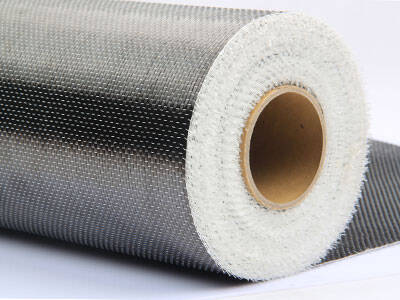
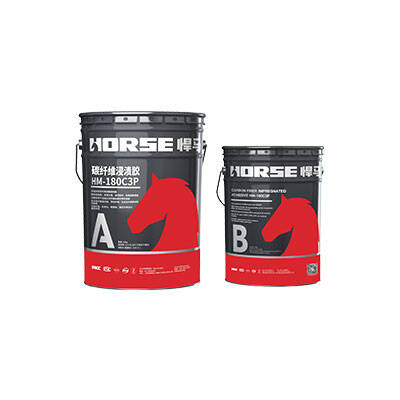
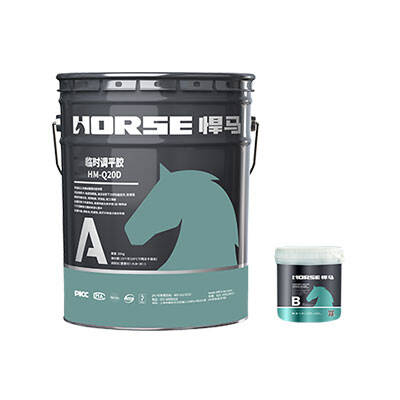
Keo dán sợi carbon tẩm tốt để ứng dụng polyme gia cường sợi carbon (CFRP) để gia cố kết cấu

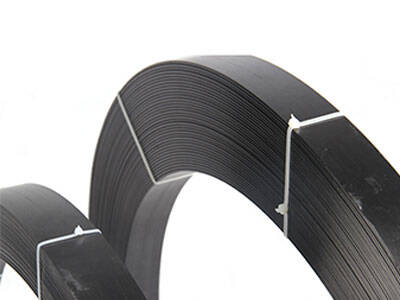
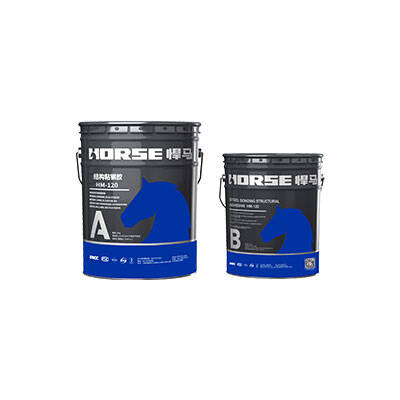
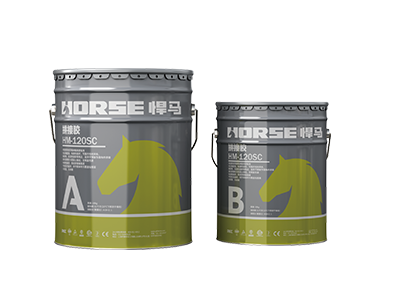
Keo liên kết tấm thép kết cấu HM-120 là sản phẩm epoxy hai thành phần, có độ bám dính mạnh, đóng rắn ở nhiệt độ phòng. Có đặc tính chống lão hóa, chống va đập tuyệt vời trong khả năng tự bám dính và bám dính lẫn nhau của thép và bê tông, với tốc độ cắt cao

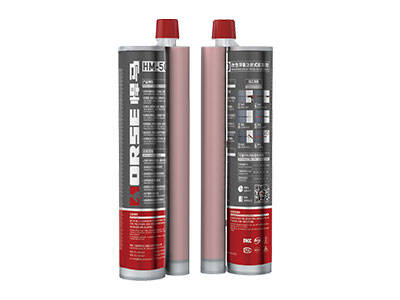
Epoxy neo có thể tiêm HM-500 của Horse là vật liệu neo hiệu suất cao, gốc nhựa epoxy, có tính lưu biến, 2 thành phần dành cho thanh và cốt thép, thích hợp sử dụng trong bê tông khô và ẩm.
