


 Ngôn ngữ: Vietnamese











Giải pháp
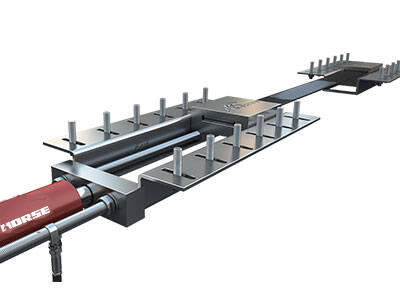
Horse Construction cung cấp đầy đủ các loại vật liệu gia cố kết cấu với hỗ trợ kỹ thuật, hỗ trợ tài liệu, hỗ trợ sản phẩm, hỗ trợ phần mềm, hỗ trợ dự án.
Cột RC được tăng cường bằng các- bon Fiber được tăng cường
Cuộc sống trung bình của ngành công nghiệp dân sự thiết kế là hơn một trăm năm. Tuy nhiên, có một số loại bệnh có thể kéo dài tuổi thọ trung bình. Hiện nay, có một số cấu trúc cần được bảo tồn để đảm bảo sự an toàn của người dùng.
Trong kỹ thuật dân sự, việc bảo trì cấu trúc bao gồm việc bảo vệ chúng bằng cách hạn chế hoặc bảo vệ một con hải cẩu tốt, khám phá và sửa chữa chúng để bù đắp cho sự mất mát về sức kháng cự do việc vỡ ra, và làm chúng vững mạnh thêm bằng cách cải thiện tính bền bỉ và hiệu quả của cấu trúc.
Việc bảo trì công trình này càng ngày càng khó chịu vì chi phí cao của công trình mới và việc bảo trì khó khăn hơn. Có một số kỹ thuật có sẵn, hiệu quả nhất là sửa chữa những cấu trúc bê tông được gia cố thông qua các vị trí thép bên ngoài. Tuy nhiên, xét đến trọng lượng và sự ăn mòn của đĩa thép, việc điều trị tấm thép đã hạn chế việc sử dụng công nghệ này.

Trong khoảng 10 năm qua, một lựa chọn đã được đưa ra: Nó bao gồm việc sửa chữa hoặc củng cố cấu trúc bê tông và gắn kết chặt chẽ Các vật liệu tổng hợp đến bên ngoài các cấu trúc bị hư hại. Các vật liệu kết hợp, đặc biệt là các chất sợi cacbon, có nhiều lợi thế trong việc sửa chữa.
Ngoài ra, mặc dù những vật liệu này đắt tiền, chúng có những lợi thế kinh tế vì dễ lắp đặt và được hoàn thành trực tiếp trên các yếu tố cấu trúc qua việc tiếp xúc với nhau bằng cách uốn nắn, hoặc uốn nắn. Điều này đã làm giảm đáng kể các chi phí liên quan đến việc gián đoạn các hoạt động sửa chữa cấu trúc và vẫn liên quan đến việc xử lý vật chất.
Các vật liệu liên kết trong lĩnh vực kỹ thuật dân sự được dùng để sửa chữa và củng cố các thành viên cấu trúc như đĩa, xà và cột. Nghiên cứu đầu tiên về công nghệ củng cố tổng hợp trong lĩnh vực kỹ thuật dân sự bắt đầu vào năm 1980, nhưng công nghệ này được sử dụng đầu tiên vào năm 1990, đầu tiên bằng thí nghiệm và sau đó là thương mại hóa.

Vỏ ngoài có thể dựa trên chất aramid, thủy tinh hoặc sợi cacbon. Áp dụng các cấu trúc bao bì này vào các cột có thể cải thiện việc ngăn chặn bê tông, cũng như sức mạnh nén và đường ống.
Phần lớn những thiệt hại trong kỹ thuật bê tông là do những khuyết điểm xây dựng của các thành viên cấu trúc. Mặc dù có một số lý do để tăng cường cấu trúc, chúng ta có thể nêu ra ví dụ: sự cải tiến cấu trúc cũ, sự gia tăng căng thẳng cấu trúc, sự thay đổi hình dạng hoặc sử dụng cấu trúc, vân vân.
Việc sửa chữa hoặc khôi phục các cột đã dẫn đến việc khám phá các kỹ thuật tăng cường mới dựa trên những kỹ thuật đã biết.So với lớp thép, lợi thế của việc sử dụng các lớp vải tổng hợp là dễ dàng cài đặt và cải thiện tính bền vững.
Bạn có thể tìm thấy mọi thứ bạn cần ở đây. Hãy tin tưởng và thử nghiệm các sản phẩm này, bạn sẽ thấy sự khác biệt lớn sau đó.

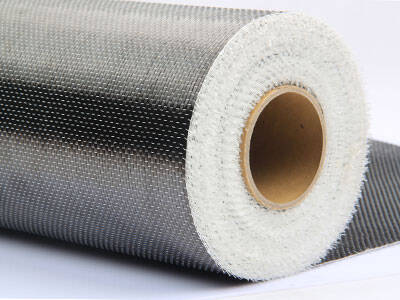
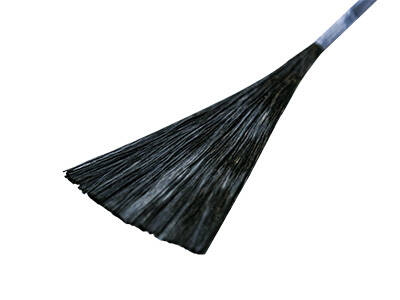
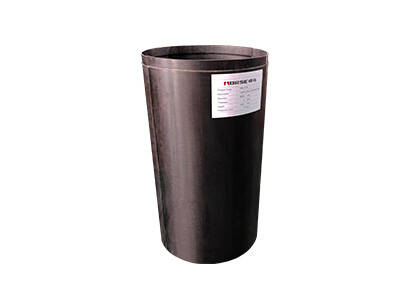
Lớp bọc sợi carbon đơn hướng, cường độ cao được bão hòa trước để tạo thành lớp bọc polyme gia cường sợi carbon (CFRP) dùng để gia cố các cấu kiện bê tông kết cấu.

Vải sợi carbon đơn hướng, cường độ cao được bão hòa trước để tạo thành vải polyme gia cố sợi carbon (CFRP) dùng để gia cố các cấu kiện bê tông kết cấu.

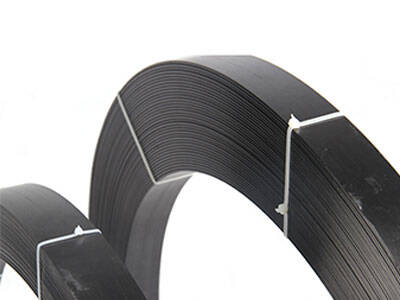
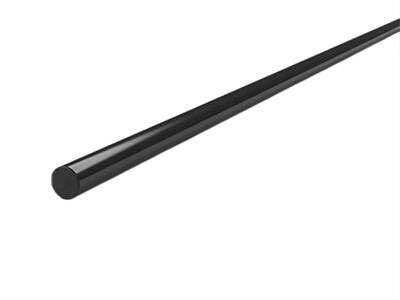
Tấm sợi carbon đơn hướng, cường độ cao được bão hòa trước để tạo thành tấm polyme gia cường sợi carbon (CFRP) dùng để gia cố các cấu kiện bê tông kết cấu.
