


 Ngôn ngữ: Vietnamese











Giải pháp
Horse Construction cung cấp đầy đủ các loại vật liệu gia cố kết cấu với hỗ trợ kỹ thuật, hỗ trợ tài liệu, hỗ trợ sản phẩm, hỗ trợ phần mềm, hỗ trợ dự án.
Sự nghiện ngập về cấu trúc có hại cho cơ thể con người không?
Vào mùa hè nóng bức và nóng bức, sự an toàn về thể chất và sức khỏe của những người xây cất là điều quan trọng nhất.
Vậy, chất dính thường được dùng trong việc tăng cường cấu trúc có hại cho cơ thể con người không?
Một số chất kết dính chất lượng thấp trên thị trường sẽ chứa các chất độc như benzene, toluene + xlelen, halogen hydro carbon, và lylylen diamine. Những chất độc này cực kỳ độc hại cho cơ thể.
Sự tập trung cao của chất benzene có tác dụng gây mê lên hệ thần kinh trung ương và gây ngộ độc cấp tính. Các biểu hiện chính là như sau: Những trường hợp nhẹ nhàng có nhức đầu, chóng mặt, buồn nôn, nôn mửa, kích động nhẹ nhàng, vô cùng say sưa và những trạng thái say sưa khác. Trong những trường hợp nghiêm trọng, hôn mê, co giật và huyết áp tụt, dẫn đến suy hô hấp và lưu thông. Việc tiếp xúc lâu dài với benzene có thể gây tổn hại đến hệ miễn dịch và gây ra ngộ độc mãn tính. Các biểu hiện chính là hội chứng neurasthenia, hệ miễn dịch thay đổi, bạch cầu tiểu cầu, thiếu máu không tái tạo trong những trường hợp nghiêm trọng, và một vài trường hợp bệnh bạch cầu sau khi bị ngộ độc mãn tính (một khối u hạt cấp tính thì phổ biến hơn). Vết thương da bao gồm sự mất khả năng sinh sản, khô hạn, đau đầu và viêm da. Có thể gây ra sự gia tăng kinh nguyệt và thời kỳ kinh nguyệt.
Toluene chọc tức da và màng niêm mạc, và có tác dụng gây mê lên hệ thần kinh trung ương. Hít thở sự tập trung cao hơn trong một khoảng thời gian ngắn có thể gây ra mắt và đường hô hấp rõ ràng, tắc nghẽn và thanh quản, chóng mặt, nhức đầu, buồn nôn, nôn mửa, co thắt ngực, yếu cơ bắp, và rối loạn. Bệnh nhân bị trầm cảm, co giật và hôn mê.
Xlelen có ảnh hưởng khích lệ đến mắt và đường hô hấp trên, gây ra một tác động gây tê ở hệ thần kinh trung ương ở mức độ cao. Việc hít thở sự tập trung cao hơn của sản phẩm này trong một khoảng thời gian ngắn có thể gây ra mắt và đường hô hấp rõ ràng, tắc nghẽn và dương vật, chóng mặt, nhức đầu, buồn nôn, nôn mửa, co thắt ngực, yếu cơ bắp, khó chịu và bối rối. Bệnh nhân bị trầm cảm, co giật và hôn mê. Sự phơi nhiễm lâu dài có hội chứng thiếu khí quản, các nữ công nhân thường có kinh nguyệt bất thường, và công nhân thường bị khô da, da bị nứt da và viêm da.
Ethylenediamine, một chất không màu hay chất lỏng màu vàng hoặc nước, có mùi tương tự như chất béo. Nó là alkaline mạnh mẽ. Số 1.4540. Rất dễ cháy. Độc tính thấp, LD50 (rat, mouth) 160mg/kg. Rất nguy hiểm. Chủ yếu được dùng để giải quyết và phân tích. Trong trường hợp có lửa mở, nhiệt độ cao hoặc tiếp xúc với oxy hóa, có nguy cơ bị cháy và nổ. Phản ứng dữ dội với axit actic, actic anhydride, carbon disulfide, chlorosulonic acid, hydrochloric acid, acid syphocic acid lưu huỳnh, a-xít sunloric, a-xít co giật, a-xít ni-xi-cô-la, v.v... Đồng và hợp kim của nó. Hơi nước của nó rất khó chịu với màng và da. Việc tiếp xúc với sản phẩm hơi có thể gây viêm khớp, viêm phế quản, viêm phổi hoặc phù phổi, và viêm da có thể xảy ra. Có thể gây tổn thương gan và thận. Tiếp xúc trực tiếp với da và mắt có thể gây bỏng. Sản phẩm này có thể gây ra bệnh hen do nghề nghiệp.
Halogens là những nhóm độc hại cao, và các bon hydro được bôi trơn thường độc hại hơn là các bon hydro của cha mẹ. Sau khi bị hấp thụ bởi da, các bon thủy điện đã được đưa vào trung tâm thần kinh hoặc hành động trên các cơ quan nội tạng, gây ra ngộ độc. Nói chung, các bon hydro i-ốt là chất độc nhất, và dung dịch hydro carbon kết hợp với nhau, các-bon thủy điện đã tan chảy, và các carbon thủy điện đã bị thay đổi có trật tự. Các ca-bon thủy phân thấp độc hại hơn các-bon thủy điện cao cấp; các-bon thủy điện bão hòa thì độc hại hơn so với thủy điện không bão hòa; cácbon hydro bị nhiễm axit có chất độc nhiều hơn là các bon hóa chất. Nơi làm việc mà các-bon thủy điện đã được bôi trơn nên được thông gió rất tốt.
Do đó, khi chọn chất keo kết cấu, hãy kiểm tra xem có báo cáo thử nghiệm hay không.
Trước khi một sản phẩm được đưa ra thị trường, nó phải trải qua nhiều quá trình kiểm tra và vượt qua nhiều tiêu chuẩn quốc gia. Thí dụ, Horse loại keo phải được thử nghiệm theo các cách sau đây ngoài việc thử nghiệm nhận diện an toàn:
Lấy các loại thuốc nổ epoxy đã được sửa đổi để làm ví dụ
Thử nghiệm chuột 01
02 Không có báo cáo thethynediamine
@ info: status
Bạn có thể tìm thấy mọi thứ bạn cần ở đây. Hãy tin tưởng và thử nghiệm các sản phẩm này, bạn sẽ thấy sự khác biệt lớn sau đó.

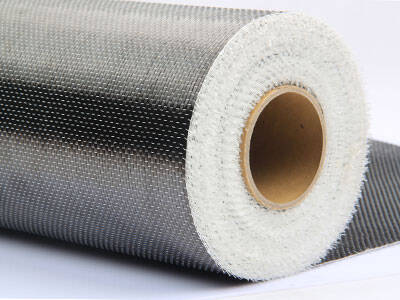
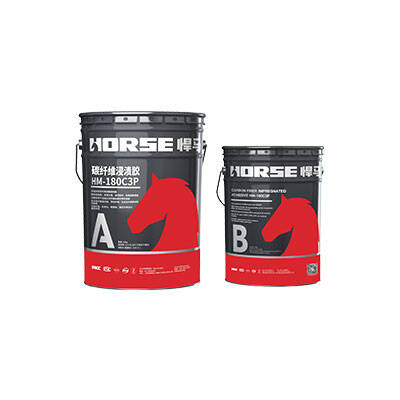
Keo dán sợi carbon tẩm tốt để ứng dụng polyme gia cường sợi carbon (CFRP) để gia cố kết cấu

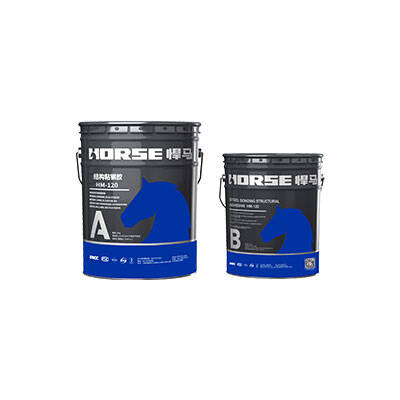
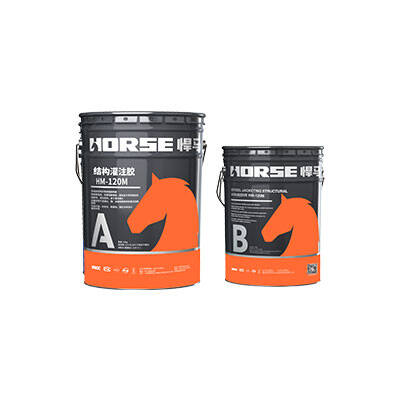
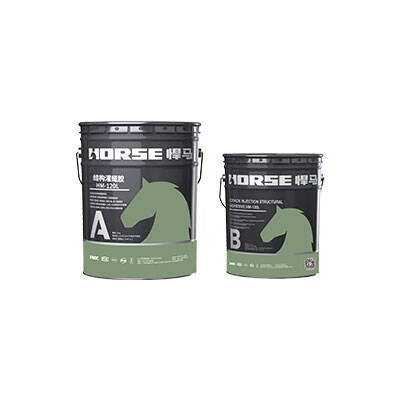
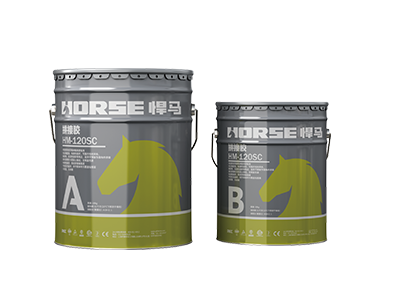
Keo liên kết tấm thép kết cấu HM-120 là sản phẩm epoxy hai thành phần, có độ bám dính mạnh, đóng rắn ở nhiệt độ phòng. Có đặc tính chống lão hóa, chống va đập tuyệt vời trong khả năng tự bám dính và bám dính lẫn nhau của thép và bê tông, với tốc độ cắt cao
