


 Ngôn ngữ: Vietnamese













Giải pháp
Horse Construction cung cấp đầy đủ các loại vật liệu gia cố kết cấu với hỗ trợ kỹ thuật, hỗ trợ tài liệu, hỗ trợ sản phẩm, hỗ trợ phần mềm, hỗ trợ dự án.
Một phần củng cố thép - Tăng cường các nút kết nối
Tăng cường địa phương là tăng cường của một nút bấm hoặc kết nối với không đủ sức chịu đựng tải. Có những phương pháp làm tăng phần của bộ phận, giảm độ dài miễn phí của bộ phận, và phương pháp củng cố lại nút kết nối. Trong số này, chúng tôi chủ yếu giới thiệu các phương pháp củng cố kết nối thông thường hơn.
Vấn đề kết nối được củng cố thường có hai trường hợp: sự củng cố của kết nối ban đầu do không đủ khả năng vận hành (tức là sự củng cố của kết nối, bao gồm sự củng cố của nút), và sự kết nối giữa sự củng cố và thành viên ban đầu.
Sự củng cố của kết nối và phương pháp kết nối của việc củng cố nên được xác định dựa theo lý do, mục đích, trạng thái căng thẳng, cấu trúc và cấu trúc của sự củng cố, và xem xét phương pháp kết nối của cấu trúc ban đầu. Các phương pháp làm cháy, hàn lại, kết nối các bu lông mạnh, và kết nối lẫn nhau giữa các bu lông hàn và các chốt mạnh có thể được sử dụng. Kết nối đã kéo dài ít cứng nhất (trừ khi kết nối bằng bu lông thường). Kết nối hàn có độ cứng cao và độ chính xác tốt, và sự kết nối với bu lông mạnh mẽ ở đâu đó giữa. Việc chọn phương pháp kết nối củng cố phải đáp ứng các yêu cầu không làm hỏng chức năng cấu trúc ban đầu, nhưng cũng tham gia vào công việc. Hiện nay, người ta dần dần loại bỏ sự kích thích do công trình xây dựng phức tạp, và người ta thường thích hàn lại vì nó không đòi hỏi phải khoan và những tiến trình khác. Tuy nhiên, hàn lại là điều kiện cao nhất về đặc tính vật chất của thép. Trong trường hợp dữ liệu về cấu trúc ban đầu chưa đầy đủ và các tính chất vật chất chưa biết, sự gia cố phải được kiểm tra lại để đảm bảo sự hàn gắn.
Nguyên tắc củng cố
(1) Phương pháp kết nối kết nối bằng thép, tức là, sự lựa chọn của hàn các đường nối, rivet, bu lông thông thường và phương pháp kết nối có sức mạnh cao. Nó nên được xác định theo lý do, mục đích, trạng thái căng thẳng, cấu trúc và điều kiện xây dựng của cấu trúc cần được củng cố, và xem xét phương pháp kết nối ban đầu của cấu trúc.
(2) Trong sự củng cố của sự kết nối giữa cùng một lực, không nên dùng những người có sự khác biệt lớn về sự cứng nhắc. Chẳng hạn, một phương pháp kết nối lẫn lộn mà trong đó có hàn, đinh hoặc bu lông thông thường bị ảnh hưởng bởi lực thông thường, ngoại trừ khi chỉ có sự kết nối cứng hơn (như hàn) phải chịu sức mạnh toàn diện. Nếu có một cơ sở, một sự kết nối lẫn nhau trong đó hàn chặt và các bu lông mạnh kiểu ma sát được sử dụng để sử dụng chung lực lượng.
(3) Tài liệu được dùng cho kết nối củng cố nên khớp với tính chất của thép cấu trúc và vật liệu kết nối ban đầu, và các chỉ số kỹ thuật và giá trị thiết kế mạnh mẽ của nó nên đáp ứng các yêu cầu của " Trung tâm thiết kế cho các cấu trúc thép".
(4) Cần phải có những mối quan hệ được tăng cường, đặc biệt khi kết thúc hàn hoặc bu lông được dùng để củng cố sự kết nối ban đầu, và khi mở rộng hoặc thêm lỗ móng tay, phải có những biện pháp xây dựng hợp lý và các biện pháp an toàn, và phải tính toán để đảm bảo cấu trúc (không cho kết nối) có đủ khả năng chịu đựng dưới trọng tải gia tăng.
Name
Những tấm đĩa (để tăng cường cấu trúc) không những phải có đủ khả năng và độ cứng, mà còn có sự kết nối đáng tin cậy với cấu trúc được củng cố để đảm bảo hai bên làm việc tốt.
Sự kết nối giữa việc củng cố và cấu trúc được củng cố sẽ được xác định theo yêu cầu của thiết kế bằng cách tính toán và xem xét cấu trúc và điều kiện xây dựng. Đối với các thành viên chịu đựng sức ép, nó có thể được tính toán theo công thức sau. Đối với các thành viên cong, tính toán nên dựa trên lực kéo cắt tối đa có thể có; đối với các thành viên nén cong, tính toán có thể dựa trên giá trị lớn hơn của hai điều trên.
Khi chỉ thêm các thành viên hỗ trợ trung gian (điểm) để giảm độ dài miễn phí của bộ phận nén cho tăng cường, lực kết nối giữa các thanh hỗ trợ (điểm) và các tăng cường có thể tính toán bằng các công thức sau đây, ở đó là vùng cắt chéo của thành viên gốc. Tính toán của các dây hàn, bu lông, đinh tán và các kết nối khác của sự củng cố có thể được thực hiện phù hợp với sự sắp đặt của " Trung tâm để thiết kế thiết kế của thép Structures ". Tuy nhiên, khi tính toán, giá trị thiết kế của sức mạnh của mối hàn chéo nên được nhân bằng 0.85, và giá trị thiết kế của sức mạnh khác hoặc khả năng mang nên được nhân với một yếu tố giảm của 0.95. Ví dụ, nếu một góc thép được kết nối ở một bên, giá trị thiết kế của độ bền hàn được nhân với một yếu tố là 0.85x0.85 = 0.72.
Bạn có thể tìm thấy mọi thứ bạn cần ở đây. Hãy tin tưởng và thử nghiệm các sản phẩm này, bạn sẽ thấy sự khác biệt lớn sau đó.

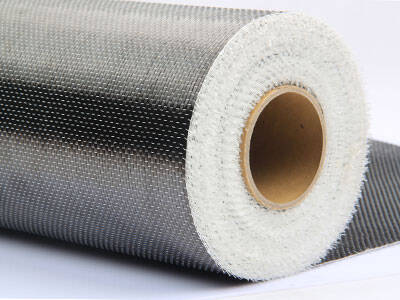
Lớp bọc sợi carbon đơn hướng, cường độ cao được bão hòa trước để tạo thành lớp bọc polyme gia cường sợi carbon (CFRP) dùng để gia cố các cấu kiện bê tông kết cấu.

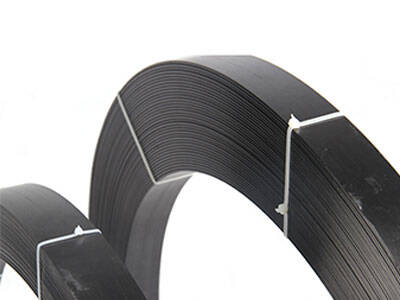
Dải / tấm polyme gia cường sợi carbon (CFRP) cường độ cao để gia cố kết cấu và sửa chữa bê tông

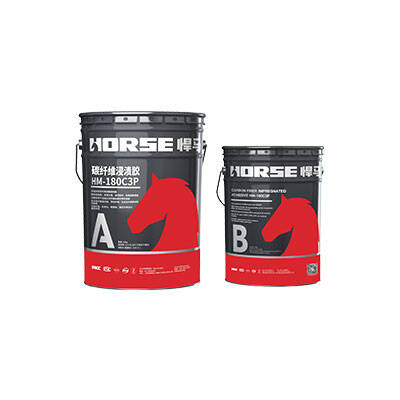
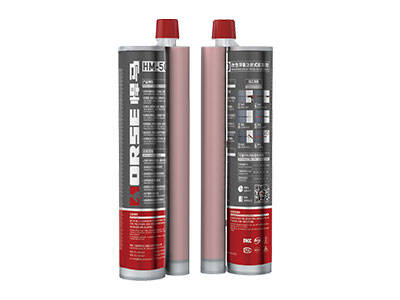
Epoxy neo có thể tiêm HM-500 của Horse là vật liệu neo hiệu suất cao, gốc nhựa epoxy, có tính lưu biến, 2 thành phần dành cho thanh và cốt thép, thích hợp sử dụng trong bê tông khô và ẩm.
