


 Ngôn ngữ: Vietnamese











Giải pháp
Horse Construction cung cấp đầy đủ các loại vật liệu gia cố kết cấu với hỗ trợ kỹ thuật, hỗ trợ tài liệu, hỗ trợ sản phẩm, hỗ trợ phần mềm, hỗ trợ dự án.
Các nguyên tắc thiết kế của các sợi carbon Fiber làm tăng sức mạnh?

Là một công nghệ mới, sợi cacbon được tăng cường và sửa chữa có những lợi thế không gì sánh bằng, nhưng cũng có phạm vi và điều kiện ứng dụng nhất định. Việc mù quáng sử dụng công nghệ này một cách mù quáng ngoài tầm tay thường thường là điều không an toàn, thiếu kinh tế và không hợp lý.
Trước hết, kích thước cắt chéo nhỏ nhất của thành viên được gia cố phải đáp ứng các yêu cầu của các đặc điểm liên quan.
Thứ hai, chiều cao vùng nén, tỉ lệ tăng cường, tỷ lệ phân phối khu vực, tỷ lệ phân phối số lượng, vân vân. thành phần được tăng cường vẫn phải đáp ứng các yêu cầu của các đặc điểm hiện có.
Cuối cùng, cần phải thay đổi hình thức thất bại cuối cùng của cấu trúc ban đầu sau khi được tăng cường.
Việc ứng dụng sợi cacbon có vấn đề về hiệu quả. Với cùng lượng sợi cacbon bọc, hiệu ứng làm tăng sức bền của dải này tốt hơn tổng thể. Khả năng chuyển động của thành phần tăng lên với sự gia tăng của sợi cacbon. Khi số lớp sợi cacbon được dùng là nhỏ, sự gia tăng tương đối lớn. Khi số lớp sợi cacbon tăng lên, sự gia tăng sẽ giảm phù hợp. Khi lượng sợi cacbon được bao phủ quá nhiều, tổn thương của thành phần sẽ thay đổi từ những tổn thương gây ra bởi việc vỡ sợi cacbon quấn lại thành những tổn thương nghiêm trọng của bê tông, và sự dẻo dai của thành phần sẽ được giảm đi.

Đánh giá phạm vi có thể áp dụng cho việc tăng cường cấu trúc sợi cacbon
(1) Từ góc nhìn của việc thực hiện quyền lực. Sợi carbon có độ bền và tính chất mệt mỏi cao, và chủ yếu phù hợp với sự tăng cường của các thành viên căng căng, đặc biệt là với sự tăng cường địa chấn của các cấu trúc lớn và cỡ trung bình như chùm cầu được đặt dưới những vật chứa năng động.
(2) Từ quan điểm của những đặc điểm vật chất. Sợi carbon là một vật liệu xoắn linh hoạt, có thể được xử lý thành U-shape hoặc hình tròn theo nhu cầu xây dựng, và có thể được sử dụng để nén và kéo cắt các thanh và xà cấu trúc. Ngăn chặn và sửa chữa nhiệt độ bị nứt trong tường, và cải thiện khả năng chống địa chấn của cấu trúc gạch.
(3) Từ quan điểm của việc áp dụng thực tế. Sợi cacbon gia cố kỹ thuật bê tông để tránh những bất lợi của những phương pháp củng cố khác như tăng kích thước cấu trúc, giảm bớt không gian dùng trong tòa nhà, tăng cân, thời gian xây cất dài và sức kháng viêm kém. Nó đã được sử dụng rộng rãi trong việc củng cố những cây cầu, đường xá, những công trình ngầm, những tòa nhà cao tầng cao tầng, những nhà máy công nghiệp và những công trình khác.
Bạn có thể tìm thấy mọi thứ bạn cần ở đây. Hãy tin tưởng và thử nghiệm các sản phẩm này, bạn sẽ thấy sự khác biệt lớn sau đó.

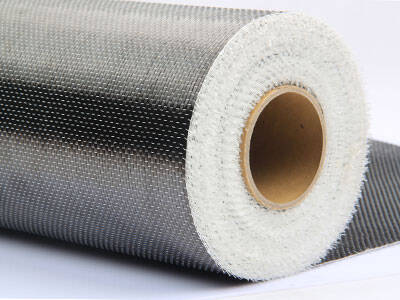
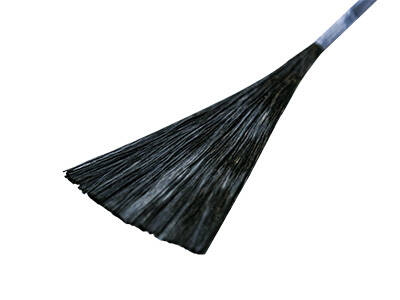
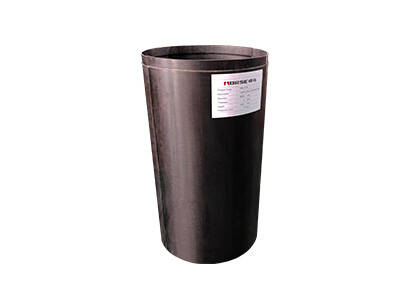
Lớp bọc sợi carbon đơn hướng, cường độ cao được bão hòa trước để tạo thành lớp bọc polyme gia cường sợi carbon (CFRP) dùng để gia cố các cấu kiện bê tông kết cấu.

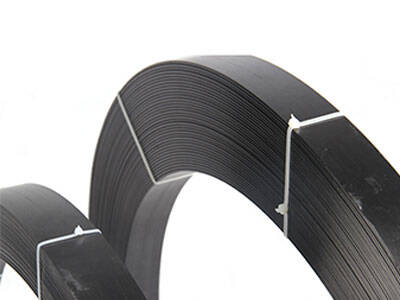
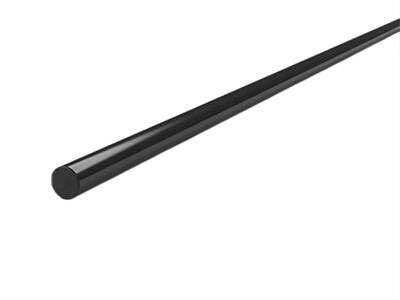
Dải / tấm polyme gia cường sợi carbon (CFRP) cường độ cao để gia cố kết cấu và sửa chữa bê tông

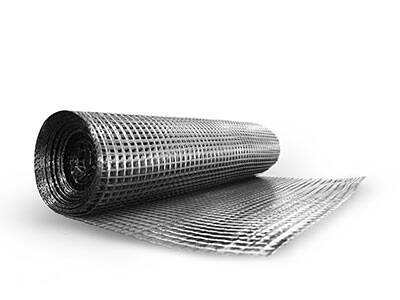
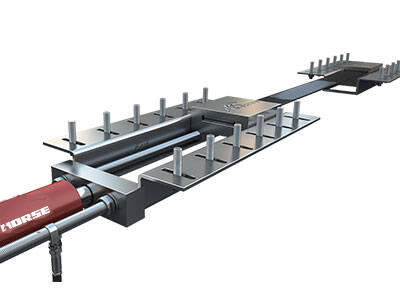
Tấm polyme gia cường sợi carbon (CFRP) ứng suất trước dùng để gia cố sàn, dầm nhằm tăng độ cứng, giảm biến dạng và độ võng của các cấu kiện, giảm vết nứt, tránh và ngăn ngừa nứt.
