


 Ngôn ngữ: Vietnamese











Giải pháp
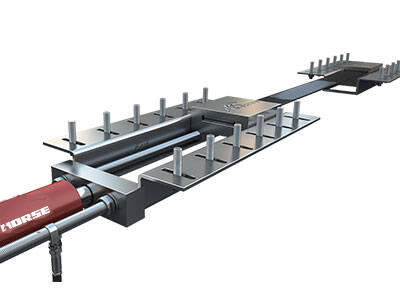
Horse Construction cung cấp đầy đủ các loại vật liệu gia cố kết cấu với hỗ trợ kỹ thuật, hỗ trợ tài liệu, hỗ trợ sản phẩm, hỗ trợ phần mềm, hỗ trợ dự án.
Sự phục hồi của các vùng thuộc địa cũ

Kiểu cấu trúc và phương pháp xây dựng của cộng đồng cũ
Các tòa nhà địa phương ở khu dân cư cũ chủ yếu là những tòa nhà xây bằng đá, có khối lượng lớn và cứng, hấp thụ nhiều năng lượng địa chấn hơn, sức mạnh bằng cối xay thấp, sức kháng địa chấn kém và sự dẻo dai thấp, độ dẻo dai và kéo kéo của các vật liệu. Nó dễ bị nứt và sụp đổ vì động đất mạnh, và tỉ lệ thiệt hại cao.
Những vấn đề tồn tại trong việc tăng cường địa chấn và tái thiết khu dân cư cũ
(1) Phương pháp biến đổi là độc lập và ảnh hưởng đến cư dân' mạng sống
Phương pháp thông thường là sắp xếp bê tông ở cả hai bên, và việc xây dựng tường bên trong lẫn bên trong của bức tường bên ngoài ảnh hưởng đến đời sống và công việc bình thường của người chủ. Đồng thời, phương pháp thông thường cần xuyên thủng tường và làm ô vuông các thanh thép, và tiếng ồn xây cất rất lớn, gây thiệt hại thứ hai cho tường và sàn nhà, và quá trình này rất nhiều và thời gian xây cất rất dài.
(2) đầu tư lớn vào việc cải thiện và lợi nhuận của người dân thấp
Tăng cường chống động đất có một đầu tư tương đối lớn vào sự biến đổi của cộng đồng cũ, khoảng 1.500 quan trên một mét vuông. Kết hợp với lý thuyết kỹ thuật có giá trị, chỉ số giá trị của nó không cao, dân cư ' ý thức về lợi nhuận không mạnh, và sự thỏa mãn thì thấp. Công nghệ truyền thống có một lớp bề mặt dày hơn, nó sẽ chiếm nhiều khu vực hơn của tòa nhà ban đầu sau khi được gia cố, điều này sẽ ảnh hưởng đến việc sử dụng tiếp theo của người chủ.
(3) Thiếu những khám phá và đổi mới của công nghệ mới và vật liệu mới
Vì sự tăng cường địa chấn và tái thiết của cộng đồng cũ có ảnh hưởng lớn hơn đến cuộc sống của cư dân, nên việc sử dụng công nghệ củng cố địa chấn thường có những giới hạn nhất định. Chỉ bằng cách khám phá công nghệ mới, các quá trình mới, và vật liệu mới chúng ta mới có thể giải quyết và phá vỡ. Tuy nhiên, vì thiếu dữ liệu tích lũy, kinh nghiệm dự án, và sự ổn định yếu kém trong việc ứng dụng các công nghệ mới, các quá trình mới, và vật liệu mới, sự đổi mới kỹ thuật trong việc củng cố địa chấn của cộng đồng cũ đã chậm tiến triển. Đồng thời, sự hình thành và đổi mới của các tiêu chuẩn quốc gia và các tiêu chuẩn công nghiệp cũng không quan tâm đến các đặc điểm của việc củng cố địa chấn của cộng đồng thời xưa.

Lập kế hoạch và vấn đề hồi sinh và củng cố các vùng thuộc địa cũ
1) Công nghệ củng cố bức tường bê tông
Dùng để tăng cường các bức tường bê tông được củng cố hiện nay là phương pháp thường dùng nhất cho việc xây gạch. Đó là, lớp bê tông được gia cố bằng bê tông được đặt trên một hoặc cả hai mặt của bức tường ban đầu để hình thành một bức tường tổng hợp, mà cải thiện khả năng kéo và kéo cắt lớp của bức tường, và hiệu ứng củng cố là rõ ràng. Thông thường cần phải củng cố nền tảng và gia tăng phần cắt ngang của cấu trúc, chiếm chỗ trong nhà, trồng những thanh sắt có thể làm hư hỏng mạch điện, và hệ thống ống nước cũng cần phải được tháo rời, tăng chi phí.
2) Công nghệ gia cố sợi cacbon
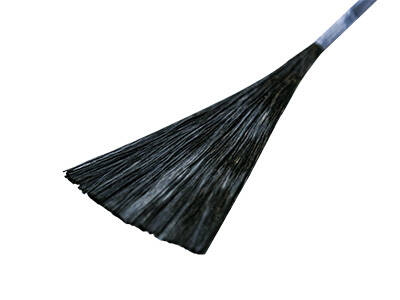
Các sợi carbon gia cố công nghệ kết cấu kết dính sợi cacbon vào chân tường. Chất sợi cacbon có trọng lượng nhẹ, và được dùng để củng cố cấu trúc nề sẽ không tăng gánh nặng cho tòa nhà. Các sợi carbon có độ dày nhỏ, không chiếm được không gian trong nhà, và ít ảnh hưởng đến nguồn nước và hệ thống thoát nước và hệ thống mạch điện hiện có.
Bạn có thể tìm thấy mọi thứ bạn cần ở đây. Hãy tin tưởng và thử nghiệm các sản phẩm này, bạn sẽ thấy sự khác biệt lớn sau đó.

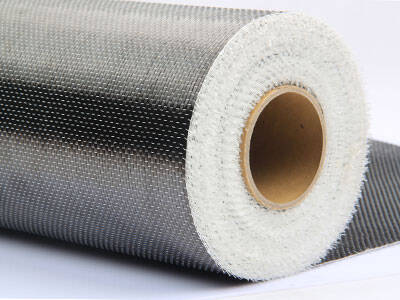
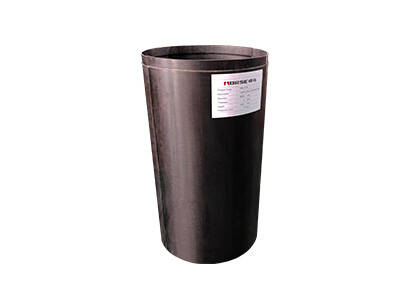
Lớp bọc sợi carbon đơn hướng, cường độ cao được bão hòa trước để tạo thành lớp bọc polyme gia cường sợi carbon (CFRP) dùng để gia cố các cấu kiện bê tông kết cấu.

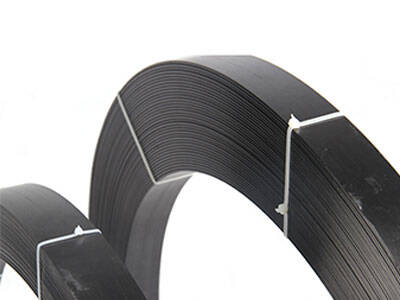
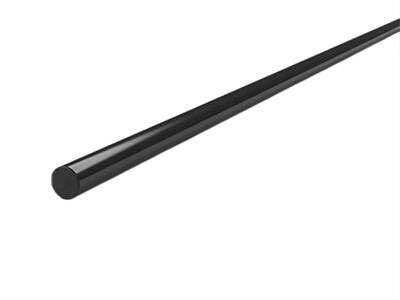
Dải / tấm polyme gia cường sợi carbon (CFRP) cường độ cao để gia cố kết cấu và sửa chữa bê tông

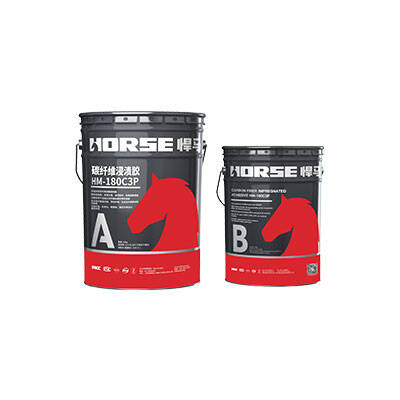
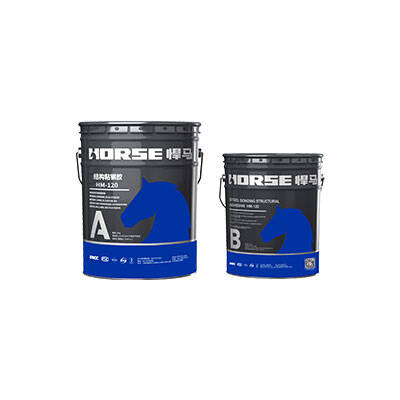
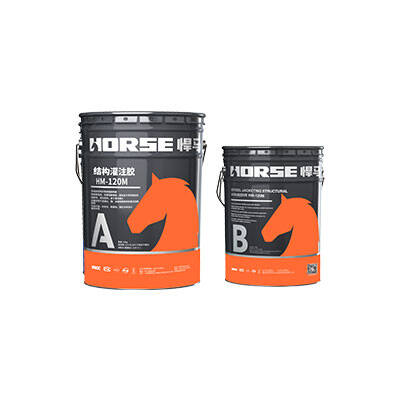
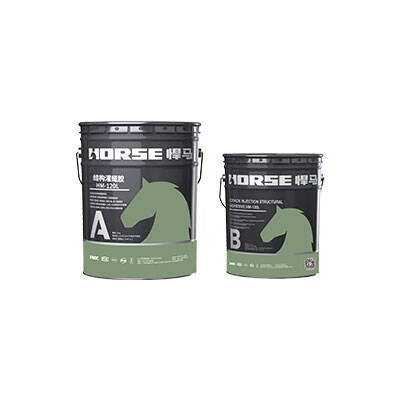
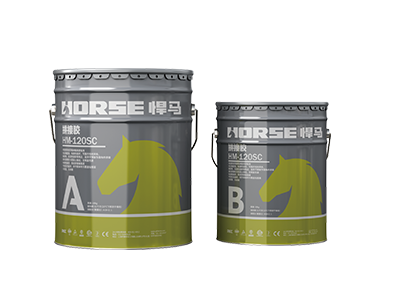
Keo liên kết tấm thép kết cấu HM-120 là sản phẩm epoxy hai thành phần, có độ bám dính mạnh, đóng rắn ở nhiệt độ phòng. Có đặc tính chống lão hóa, chống va đập tuyệt vời trong khả năng tự bám dính và bám dính lẫn nhau của thép và bê tông, với tốc độ cắt cao
