


 Ngôn ngữ: Vietnamese












Giải pháp
Horse Construction cung cấp đầy đủ các loại vật liệu gia cố kết cấu với hỗ trợ kỹ thuật, hỗ trợ tài liệu, hỗ trợ sản phẩm, hỗ trợ phần mềm, hỗ trợ dự án.
Ứng dụng của Polymer (FRP) trong phần cấu trúc cấu trúc

1.1 Hiệu suất nâng cao tính khí
Dán FRP trong vùng căng thẳng của cấu trúc bê tông có thể cải thiện khả năng mang của nó và ngăn chặn sự lan truyền của các vết nứt. Đặc điểm thất bại của cấu trúc bê tông sau khi FRP bổ sung khá khác với cấu trúc bê tông bình thường và cấu trúc bê tông được tăng cường bằng thép, và phương pháp tính toán khả năng mang của nó cũng khác nhau.
1.2 Làm tăng cường hiệu suất
Việc dán FRP bên cạnh khu vực của một chùm tia bê tông có thể cải thiện hiệu quả khả năng chống kéo. Phương pháp gia cố kéo cắt lông thường dùng trong kỹ thuật bao gồm dán bên cạnh, dán hình chữ U và bọc. Trong số đó, việc dán giấy có hiệu quả tốt nhất. Các tham số chính ảnh hưởng đến khả năng chống kéo cắt của FRP bao gồm tỷ lệ khuấy động của các chùm, sức mạnh bê tông, tỷ lệ tăng cường FRP, tỷ lệ kéo dài của các chùm, các phương pháp liên kết và neo của FRP, các thuộc tính vật chất vật chất của FRP và chính chất kết dính, vv.
1.3 Thể hiện tăng cường địa chấn
Bằng cách thuê FRP để hạn chế bê tông trong khu vực vỏ nhựa để gia tăng dòng nén cuối cùng của bê tông, sự dẻo dai của các thành viên có thể được cải thiện, điều này có lợi cho việc tăng cường địa chấn của cấu trúc.
1.4 Hiệu suất chống béo
Sự mệt mỏi của tờ FRP làm tăng cường thành phần được chia thành sự mệt mỏi và mệt mỏi do kéo cắt lông.Theo mẫu vật, nó có thể được chia thành các vấn đề mệt mỏi dưới sự đè nặng không ngừng và trọng lượng biến. Sức mạnh mệt mỏi của tờ FRP củng cố thành phần không chỉ liên quan đến sự chống đỡ mệt mỏi của cấu trúc bê tông ban đầu, mà còn liên quan đến khả năng bị gãy mệt mỏi của FRP cộng với cùng một phần và sự chống đỡ mệt mỏi của tờ FRP và các giao diện bê tông.Thuyết mệt mỏi đặc có thể được sử dụng để đánh giá sự chống đỡ mệt mỏi của cấu trúc bê tông nguyên thủy.
1.5 Công nghệ tiền sản xuất
Đối với các thành viên có độ lệch quá đáng hoặc các thanh chắn bê tông bị vỡ nặng, các phương pháp dán vá đơn giản của FRP rất khó để nâng cao tính cứng rắn của họ một cách hiệu quả, và vai trò của các vật liệu không thể hoàn toàn được sử dụng. Việc sử dụng công nghệ dự phòng FRP tăng cường có thể cân bằng một phần trọng tải của chùm phóng đã được gia cố, giảm hiệu quả sự lệch hướng của chùm tia tăng cường, trì hoãn sự nứt ra của chùm tia, làm giảm chiều rộng của vết nứt, giảm khả năng bị đứt vỏ, và tăng khả năng ảnh hưởng của chùm tia.
1.6 Khả năng kéo dài
1.7 Làm tăng hiệu suất của cấu trúc nề
Sự thất bại của bức tường đã thay đổi từ thất bại của việc kéo cắt lông cừu trước khi thêm vào sự thất bại của ống dẫn sau khi tăng cường, điều này cải thiện khả năng biến dạng, sức mạnh và sự dẻo dai của bức tường. Nó có thể giảm hiệu quả sự biến dạng của lông cừu, cải thiện khả năng dẫn nước và hiệu suất địa chấn của cấu trúc, và tăng khả năng mang của cấu trúc thợ nề. Thiết bị dự phòng có thể tăng đáng kể sức mạnh kéo cắt ngang của máy bay trên tường, tăng cường khả năng biến dạng, và cải thiện sự dẻo dai của cấu trúc.
1.8 Củng cố hiệu suất cấu trúc thép
Ngoài việc sử dụng FRP cho việc chống tham nhũng, chống chế độ chống chế độ chống lão hóa và những sự củng cố khác của các cấu trúc thép, sự đổi mới của các phương pháp củng cố các tòa nhà thép và sản phẩm thép cũng đã trở thành vấn đề đáng quan tâm đối với con người.
1.9 Hiệu suất củng cố khác
Vì có nhiều lợi thế, FRP có triển vọng ứng dụng rộng trong việc chống phá hoại cấu trúc
Bạn có thể tìm thấy mọi thứ bạn cần ở đây. Hãy tin tưởng và thử nghiệm các sản phẩm này, bạn sẽ thấy sự khác biệt lớn sau đó.

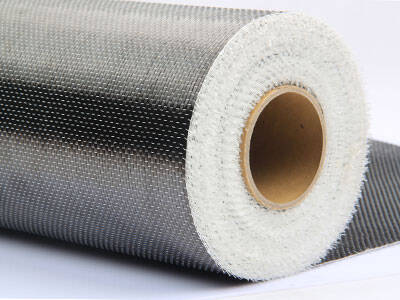
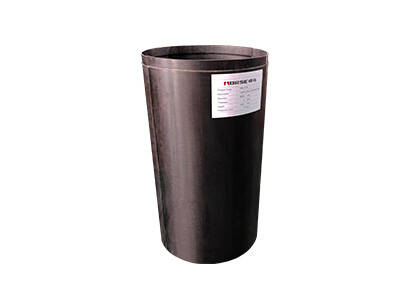
Lớp bọc sợi carbon đơn hướng, cường độ cao được bão hòa trước để tạo thành lớp bọc polyme gia cường sợi carbon (CFRP) dùng để gia cố các cấu kiện bê tông kết cấu.

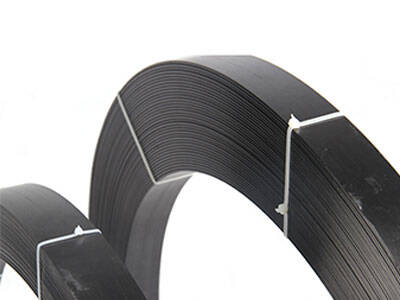
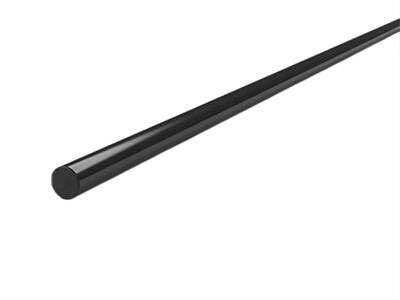
Dải / tấm polyme gia cường sợi carbon (CFRP) cường độ cao để gia cố kết cấu và sửa chữa bê tông

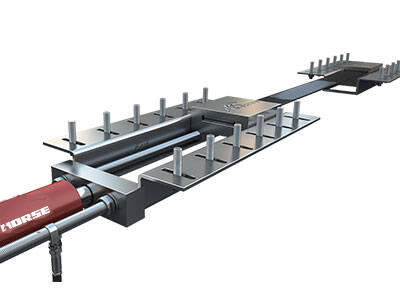
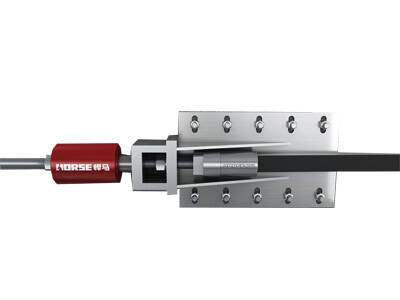
Tấm polyme gia cường sợi carbon (CFRP) ứng suất trước dùng để gia cố sàn, dầm nhằm tăng độ cứng, giảm biến dạng và độ võng của các cấu kiện, giảm vết nứt, tránh và ngăn ngừa nứt.
