


 Ngôn ngữ: Vietnamese
















Giải pháp
Horse Construction cung cấp đầy đủ các loại vật liệu gia cố kết cấu với hỗ trợ kỹ thuật, hỗ trợ tài liệu, hỗ trợ sản phẩm, hỗ trợ phần mềm, hỗ trợ dự án.
Nguyên tắc về việc so sánh và chọn lựa phương pháp tăng cường cầu

Chúng ta nên xem xét nhiều cách để củng cố những cây cầu, nhưng phương pháp nào cần được dùng để củng cố là một câu hỏi. Một số phương pháp củng cố cụ thể có thể chỉ thích hợp cho những gương cụ thể, và khó tìm được phương pháp củng cố tổng quát hơn. Vì thế, chúng ta phải chọn phương pháp củng cố thích hợp và hữu hiệu nhất tùy theo tình hình thực tế của dự án.
Các biện pháp tăng viện được áp dụng cho những cây cầu cũ đã bị đe dọa từ lâu. Nói chung, có những loại sau đây:
(1) Trong tình trạng hiện nay, cây cầu không còn đáp ứng được những đòi hỏi của số lượng và trọng lượng xe cộ. Lúc này, xe cộ có ảnh hưởng tương đối nguy hiểm đến cây cầu. Sau khi kiểm tra, cây cầu không thể đáp ứng được những đòi hỏi của dòng lưu thông hiện thời. .Do sự gia tăng của những chiếc xe nặng trong quá khứ, cây cầu đầu tiên bị hư hại do không đủ sức chứa. Để duy trì khả năng chịu đựng gánh nặng tương tự của những cây cầu dọc theo toàn bộ tuyến đường, những cây cầu không được thỏa mãn phải được củng cố theo yêu cầu của toàn bộ con đường để đáp ứng những yêu cầu tổng thể.
(2) Thiệt hại như nứt, sụp đổ của cấu trúc chính, sự ăn mòn bằng thép, v.v... xảy ra ở một nơi của cây cầu. Khi những thiệt hại này rất nghiêm trọng và gây nguy hiểm cho phương tiện giao thông hiện nay, cây cầu cần được sửa chữa và tăng cường càng sớm càng tốt để tránh mất nhân viên và tài sản không cần thiết. Nếu sự tổn hại không nghiêm trọng và không ảnh hưởng đến sức mạnh, thì không cần phải củng cố hay củng cố nó sau này.
(3) Đường cầu không đủ. Nếu có nhiều phương tiện đi lại do lượng xe cộ gia tăng hiện nay và không đủ số lượng, các làn đường nên được mở rộng hoặc tăng lên.
(4) Nếu cây cầu bị rối loạn nghiêm trọng hoặc bị xáo trộn một phần, ảnh hưởng đến việc dùng cây cầu một cách bình thường, để tăng cường độ cứng của cây cầu, cầu cần được gia cố càng sớm càng tốt.
5) Trong điều kiện thời tiết khắc nghiệt như gió mạnh và lũ lụt, nên thực hiện việc sửa chữa và tiếp viện khẩn cấp nếu cây cầu bị hư hỏng; và quân tiếp viện tạm thời nên được thực hiện khi xe đặc biệt phải đi qua.
Theo một số tình huống được đề cập ở trên, chúng ta đề nghị những nguyên tắc sau để chọn phương pháp củng cố cầu:
(1) Công nghệ củng cố là đáng tin cậy, và sự an toàn và bền vững của nó đáp ứng những đòi hỏi về việc sử dụng cầu.
(2) So với việc xây một cây cầu mới, cần phải tiết kiệm chi phí để củng cố.
(3) Những công trình xây dựng đơn giản và những đòi hỏi đơn giản để củng cố thiết bị.
(4) Cố gắng không làm gián đoạn giao thông hoặc cắt ngang giao thông trong quá trình tăng cường
5) Công việc bảo trì vật liệu dùng trong việc củng cố và biến đổi nên tốt hơn, và công việc bảo trì trong thời kỳ sau này nên được giảm bớt.
Trong quá trình củng cố, phương pháp củng cố nên gây ra càng ít thiệt hại càng tốt cho cấu trúc cây cầu ban đầu.
Tóm lại, bất kể phương pháp củng cố nào, nó nên được xem xét rằng đầu tư là nhỏ, hiệu suất làm việc là nhanh, giao thông không bị gián đoạn nhiều nhất có thể, công nghệ đơn giản và khả thi, và phương pháp này có khả thi hơn.
Bạn có thể tìm thấy mọi thứ bạn cần ở đây. Hãy tin tưởng và thử nghiệm các sản phẩm này, bạn sẽ thấy sự khác biệt lớn sau đó.

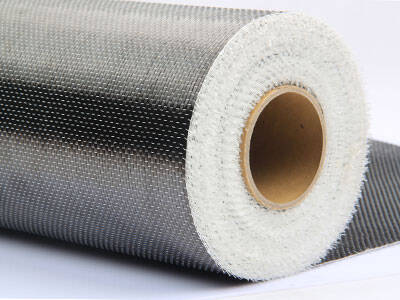
Lớp bọc sợi carbon đơn hướng, cường độ cao được bão hòa trước để tạo thành lớp bọc polyme gia cường sợi carbon (CFRP) dùng để gia cố các cấu kiện bê tông kết cấu.

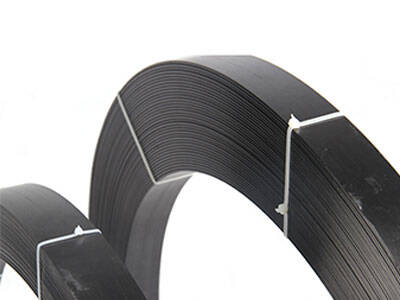
Dải / tấm polyme gia cường sợi carbon (CFRP) cường độ cao để gia cố kết cấu và sửa chữa bê tông

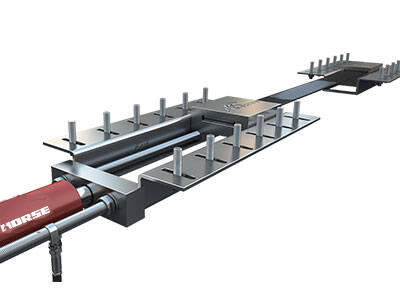
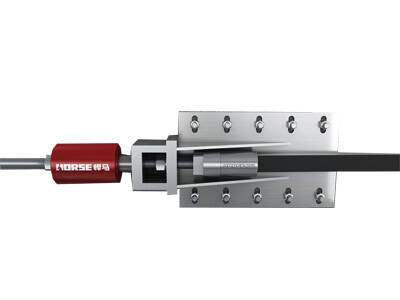
Tấm polyme gia cường sợi carbon (CFRP) ứng suất trước dùng để gia cố sàn, dầm nhằm tăng độ cứng, giảm biến dạng và độ võng của các cấu kiện, giảm vết nứt, tránh và ngăn ngừa nứt.
