


 Ngôn ngữ: Vietnamese











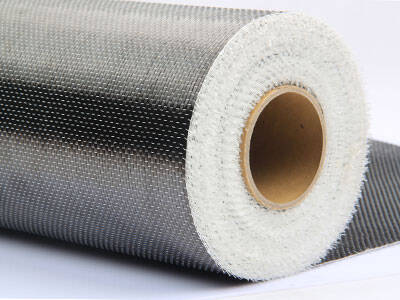
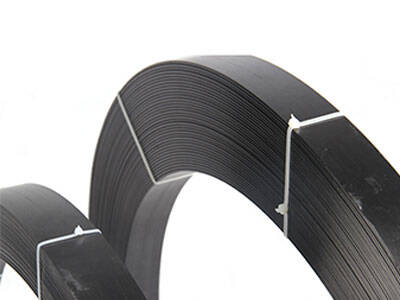
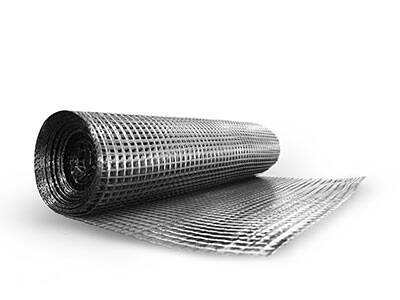
Giải pháp
Horse Construction cung cấp đầy đủ các loại vật liệu gia cố kết cấu với hỗ trợ kỹ thuật, hỗ trợ tài liệu, hỗ trợ sản phẩm, hỗ trợ phần mềm, hỗ trợ dự án.
Chúng ta nên làm gì nếu con sò lục phân đã được tinh thể hóa?
Nguyên nhân kết tinh
Có nhiều lý do để kết tinh nhựa epoxy, chủ yếu là những yếu tố sau:
1. Độ tinh khiết cao: tinh thể đều là tinh khiết cao, nhựa epoxy là giống nhau, độ tinh khiết cao hơn, sự thu hẹp phân tử, càng dễ kết tinh hơn.
2. Độ đàn hồi thấp: độ đàn hồi càng thấp, tốc độ kết tinh càng nhanh.
3. Sự ô nhiễm: Các chất rắn thường là tinh thể hạt giống cho sự phát triển tinh thể. Thêm vào một số sắc tố và chất lấp đầy có thể dễ dàng dẫn đến sự kết tinh.So với kích thước hạt lớn hơn và liều lượng cao hơn ít có khả năng tạo ra sự kết tinh.
4. Nhiệt độ: thay đổi nhiệt độ quá mức là một nguyên nhân phổ biến của sự kết tinh, và ngày và nhiệt độ ban đêm sẽ bắt đầu hoặc tăng tốc độ tinh thể. Thêm vào đó, nhiệt độ cực thấp (ở mức 5°C) sẽ tăng tốc kết tinh.
Năm. Lực hút: Độ ẩm càng cao thì càng dễ kết tinh.
Tất cả các chất nhựa và chất chữa bệnh có khả năng kết tinh, đó là sự chuyển hóa của một chất từ chất lỏng thành trạng thái tinh thể rắn. Nguyên tắc về kết tinh nhựa epoxy cũng tương tự như các chất khác. Độ tinh khiết cao, độ phóng khoáng thấp, sự tạp chất, môi trường cực lạnh, và các chu kỳ nóng và lạnh sẽ tăng khả năng kết tinh.
Cách để tránh kết tinh
1. Giảm sự tinh khiết của nhựa epoxy, chẳng hạn như thêm vào những loại nhựa epoxy khác.
2. Sử dụng nhựa epoxy với xu hướng kết tinh thấp hoặc không mã hóa.
3. Điều kiện lưu trữ: Nhiệt độ lưu trữ cao hơn 40°C để ngăn việc kết tinh. Thông thường, nếu nhiệt độ cao hơn 25 °C, nguy cơ kết tinh có thể giảm, nhưng nên tránh sự dao động nhiệt độ quá mức. Để có những nhu cầu về độ ẩm, thường phải có độ ẩm tương đối dưới 50%, và cần phải đóng gói một cách nghiêm ngặt để tránh kết tinh do nước hấp thụ.
Giải pháp tinh thể
1. Phương pháp đun nước nóng cho bồn tắm:
Đặt nhựa epoxy vào nước, nhiệt độ nước phải ở giữa 50 ° C và 60 ° C, và khuấy động colloid theo một hướng khi nóng lên, để đảm bảo tất cả các tinh thể được tan chảy hoàn toàn. Bất kỳ tinh thể không pha lê tí hon nào cũng có thể được sử dụng như là hạt giống " để kích hoạt kết tinh lại trong vòng vài ngày.
Do đó, thời gian khuấy động không nên quá ngắn, để đảm bảo rằng tất cả các tinh thể trên tường và dưới cùng của thùng cũng được tan chảy, và nhiệt được phân phối đều. Đều đặn cho đến khi sự kết tinh hoàn toàn biến mất trước khi xây dựng.
Hãy chú ý: Chất nhựa epoxy nóng cần phải được làm mát đến nhiệt độ phòng trước khi sử dụng, nếu không nó có xu hướng nổ.
2. Thiết bị làm nóng:
Sắp xếp và xếp nhựa epoxy trong một hình tròn, đặt một khu vực rộng 1 mét ở giữa thiết bị sưởi nóng, bao quanh nhựa epoxy nhựa với vải nhựa hoặc vải sợi màu để tạo thành một không gian khép kín, và tiếp tục sưởi ấm cho đến khi nhựa epoxy trở lại trạng thái ban đầu.
3. Ánh sáng mặt trời:
Dùng đèn mặt trời để nướng nhựa epoxy, khuấy động trong khi sưởi ấm, cho đến khi tinh thể tan chảy hoàn toàn, và sau khi nó trở về trạng thái ban đầu, có thể dùng gel.
4. Những biện pháp sưởi ấm hợp lý khác cũng có thể giải quyết vấn đề kết tinh nhựa epoxy.
Nếu sự kết tinh lại xảy ra lần nữa, đun nóng nó lần nữa và lặp lại quá trình tan chảy. Nó có thể được giữ ở 50 °C trong vài giờ để làm tan chảy nhựa epoxy một lần nữa. Chất nhựa lỏng tan chảy vẫn có thể được sử dụng, nhưng không thích hợp để điều trị nhiệt cho những chất đã được thêm vào một chất chữa bệnh.
Đề nghị: Chú ý giảm nhiệt độ trong khi vận chuyển và lưu trữ. Nó được khuyến cáo lưu trữ trong một kho chứa chất lượng cao và khô. Khi dùng, đừng khuấy quá nhiều vào một thời điểm, nó sẵn sàng sử dụng. Và hãy chắc chắn rằng không có chất cặn nhựa trong vòi, nắp, vân vân. Sau khi sử dụng, để ngăn các tinh thể hình thành ở những nơi này.
Tóm tắt : Sự kết tinh của nhựa epoxy là một phản ứng vật lý, chứ không phải phản ứng hóa học, vì thế nó sẽ không ảnh hưởng đến hiệu suất của chất kết dính. Nhưng để củng cố lại, chất kết tinh phải được đun nóng và tan chảy trước khi có thể sử dụng, chắc chắn sẽ làm tăng các bước vận hành và làm cho quá trình xây dựng trở nên phức tạp.
Bạn có thể tìm thấy mọi thứ bạn cần ở đây. Hãy tin tưởng và thử nghiệm các sản phẩm này, bạn sẽ thấy sự khác biệt lớn sau đó.


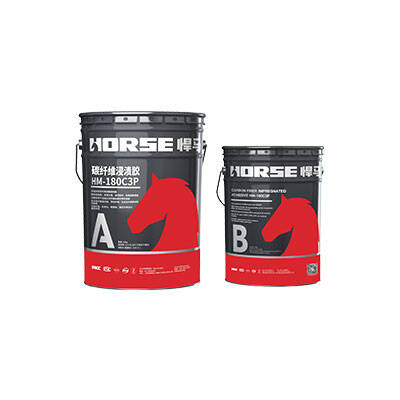
Keo dán sợi carbon tẩm tốt để ứng dụng polyme gia cường sợi carbon (CFRP) để gia cố kết cấu

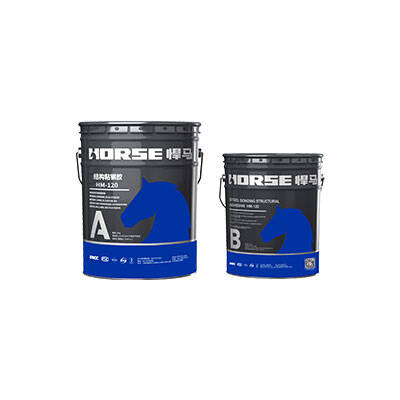
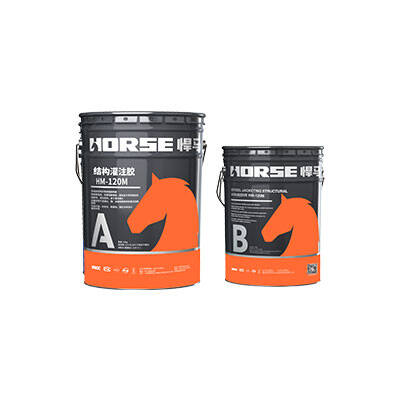
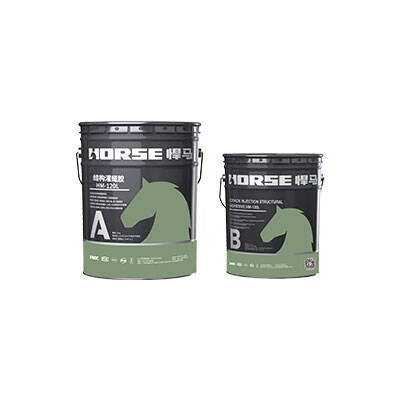
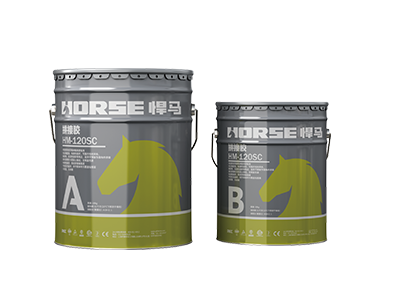
Keo liên kết tấm thép kết cấu HM-120 là sản phẩm epoxy hai thành phần, có độ bám dính mạnh, đóng rắn ở nhiệt độ phòng. Có đặc tính chống lão hóa, chống va đập tuyệt vời trong khả năng tự bám dính và bám dính lẫn nhau của thép và bê tông, với tốc độ cắt cao
