


 Ngôn ngữ: Vietnamese










Giải pháp
Horse Construction cung cấp đầy đủ các loại vật liệu gia cố kết cấu với hỗ trợ kỹ thuật, hỗ trợ tài liệu, hỗ trợ sản phẩm, hỗ trợ phần mềm, hỗ trợ dự án.
Sự nghiện ngập về cấu trúc nào có khả năng kháng cự động đất?

Một nhà địa chấn học từng nói: " không phải động đất làm chết người, mà là cả tòa nhà."
Xét cho cùng, một trận động đất là một thảm họa tự nhiên và không thể tránh được, nhưng một tòa nhà là do con người tạo ra, và sự kháng động đất của nó quyết định liệu nó có gây ra thương vong nặng nề và mất mát về kinh tế và tài sản khi động đất xảy ra. Vậy khả năng địa chấn của một tòa nhà phụ thuộc vào cái gì? Ở đây chúng ta phải đề cập đến một chỉ số quan trọng - sự kháng cự bóc vỏ.
Sau trận động đất Wenchuan năm 2008, ngành công nghiệp đã đưa ra những yêu cầu cao hơn cho các chỉ số hiệu suất của các kết cấu kết cấu để xây dựng củng cố, được đề cập trong " Trung tâm kiểm tra về chất lượng xây dựng của công trình xây dựng cải tiến kỹ thuật xây dựng " GB505050-2010. Trong các khu vực mà cường độ địa chấn là 7 độ và ở trên, các chất kết dính thép được dùng để tăng cường và kết dính kết cấu nên được kiểm tra lại bằng các vật liệu tổng hợp bằng cách chứng kiến các mẫu phản ứng chịu tác động.

Chỉ số bắt buộc này là chỉ thị chính cho việc phát hiện toàn diện, khoa học và chính xác chất lượng kết dính cấu cấu trúc và xác định chất lượng của các chất dính cấu trúc. Không những chất keo cần thiết để có sức mạnh cao và sự gắn bó tốt, mà còn cần phải có chất keo kết dính chắc chắn và kháng cự tốt với độ ẩm và độ lão hóa nhiệt. Đối với các doanh nghiệp kết cấu, chỉ số này không chỉ đòi hỏi sự lựa chọn các nguyên liệu thô cao, mà còn đòi hỏi quá trình sản xuất và kiểm soát chất lượng các chất dính cấu trúc.
Ngày nay, quốc tế công nhận rằng chất kết dính thích hợp nhất để củng cố cấu trúc bê tông là chất nhựa dẻo đã được sửa đổi, đặc biệt là chất kết hợp và thép. Bất kể vấn đề kháng cự bóc lột, chống đối môi trường, kháng cự căng thẳng lâu dài, kháng cự tác động và chống mệt mỏi, nó không hề giống với những loại keo khác. Tuy nhiên, để thay đổi sự kháng cự tác động của chất keo kết dính cấu, nhiều nhà sản xuất vô đạo đức đã thêm quá nhiều chất làm rỗng, làm giảm khả năng kết nối của chất keo kết dính, dẫn đến việc giảm tác động kháng thuốc. Thành phần chính của Horse' cấu trúc kết dính là nhựa epoxy, và chất thêm ít chất làm tan tác động, nhưng cũng đảm bảo sự cải thiện khả năng kết nối.

Do cuộc cạnh tranh giá cả tăng cao, nhiều nhà sản xuất đã thay thế các thành phần chữa trị bằng các tính chất chống ảnh hưởng tốt hơn trong các hình thức kết dính ban đầu. Mặc dù loại thuốc này có thể không ảnh hưởng đến sức mạnh ngắn hạn của chất keo, hoặc thậm chí cải thiện nó, nó không thể ngăn chặn sự suy giảm mạnh mẽ của việc chống lại sự lão hóa môi trường và tác động đến việc tách rời sự kháng cự của chất keo.Do đó, để củng cố các tòa nhà trong vùng động đất, cần phải đánh giá sự cứng rắn và kiểm tra các cấu trúc dính lại.

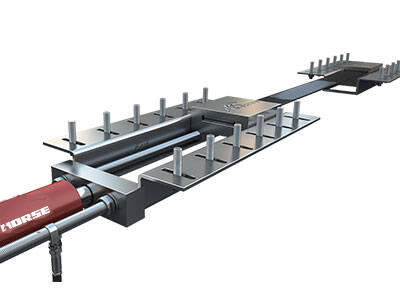
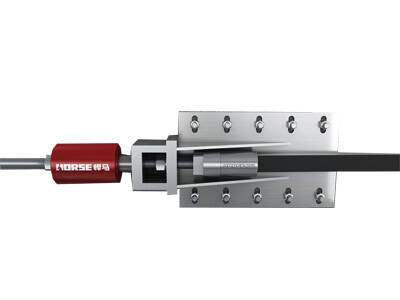
Hiện nay, việc phát hiện cấu trúc dính cứng chủ yếu được nhận ra bằng cách sử dụng một thiết bị thử nghiệm tự do vỏ bọc, đó là một mẫu hình ảnh T bằng cách tách một cặp tấm thép nhẹ. Dưới những điều kiện đã được xác định, một lực tác động được áp dụng vào phần dưới của mẫu để làm cho mẫu bị tách ra dọc theo đường keo. Các chất kết dính với độ dai khác nhau có sự khác biệt rõ rệt trong độ dài vỏ bọc của chúng, từ đó có thể đánh giá được sức mạnh và điểm yếu của sự cứng rắn của chúng.

Sơ đồ sơ đồ hình ảnh của thiết bị thử ra vùng va chạm
Bằng cách đo độ dài vỏ của các mẫu, so sánh và phân tích dữ liệu thử nghiệm của các loại keo khác nhau, một khả năng đánh giá độ cứng đơn giản và thực tế của cấu trúc có thể được tạo ra với độ dài vỏ như chỉ số.
Bạn có thể tìm thấy mọi thứ bạn cần ở đây. Hãy tin tưởng và thử nghiệm các sản phẩm này, bạn sẽ thấy sự khác biệt lớn sau đó.

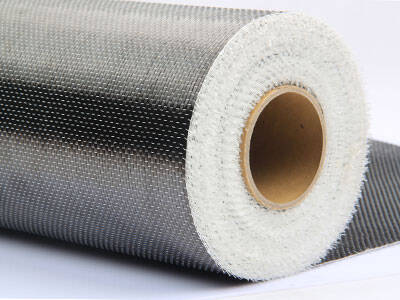
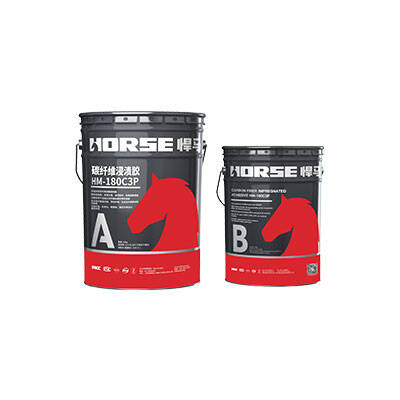
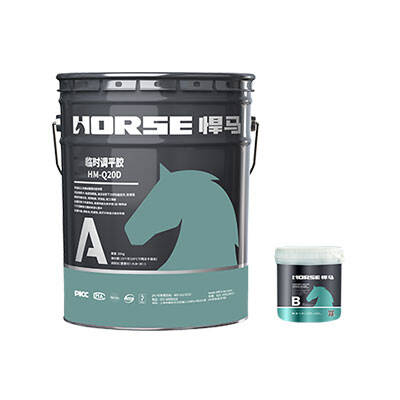
Keo dán sợi carbon tẩm tốt để ứng dụng polyme gia cường sợi carbon (CFRP) để gia cố kết cấu

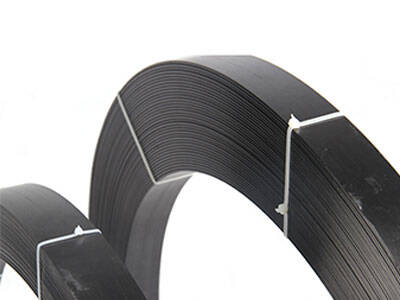
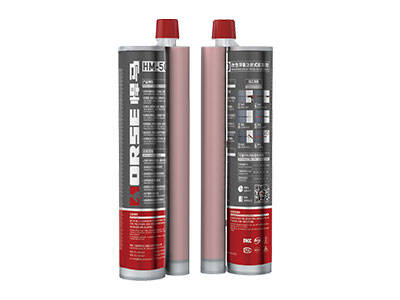
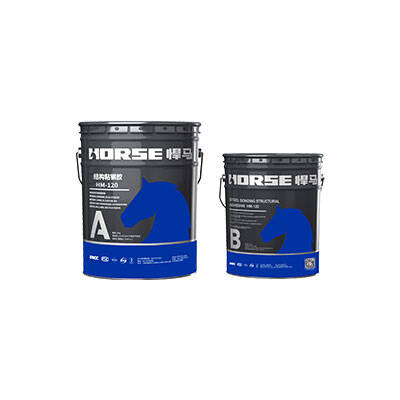
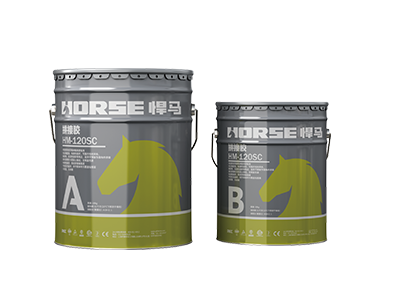
Keo liên kết tấm thép kết cấu HM-120 là sản phẩm epoxy hai thành phần, có độ bám dính mạnh, đóng rắn ở nhiệt độ phòng. Có đặc tính chống lão hóa, chống va đập tuyệt vời trong khả năng tự bám dính và bám dính lẫn nhau của thép và bê tông, với tốc độ cắt cao

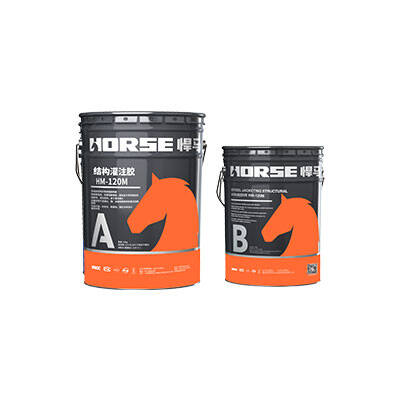
Keo phủ thép HM-120M là keo epoxy cải tiến loại mới, chuyên dùng để hỗ trợ cốt thép liên kết bằng keo. Có thể liên kết với nhiều loại vật liệu nền và kim loại, với các ưu điểm như cường độ liên kết cao, độ bền và độ bền cắt tuyệt vời, khả năng chống axit-k
