


 Ngôn ngữ: Vietnamese














Giải pháp
Horse Construction cung cấp đầy đủ các loại vật liệu gia cố kết cấu với hỗ trợ kỹ thuật, hỗ trợ tài liệu, hỗ trợ sản phẩm, hỗ trợ phần mềm, hỗ trợ dự án.
Làm thế nào để củng cố và thay đổi cấu trúc sàn nhà?
Cấu trúc gạch gạch, như tên cho thấy, "brick ", đề cập đến một vật liệu xây dựng với kích thước đồng nhất, và cũng có những kích cỡ khác của gạch đất sét đặc biệt, như gạch rỗng 2 và vân vân."Mixed " đề cập đến các thành phần bê tông được gia cố bằng thép, xi măng, cát và nước ở một mức độ nào đó, bao gồm sàn nhà, thanh gỗ, cầu thang, các thùng và ô cửa. Các phụ kiện này được kết hợp với những bức tường chịu tải được làm bằng gạch, có thể được gọi là nhà gạch.Do yêu cầu địa chấn, nhà gạch nằm ở tầng dưới 5 hoặc 6 tầng.
Cấu trúc khuôn gạch dùng tường gạch để chịu được trọng lượng. Như hình bên dưới cho thấy, trọng lượng trên sàn nhà được truyền qua tấm sàn đến bức tường gạch phía dưới, và cuối cùng đến nền móng.

Tuy nhiên, vì tường gạch bị lỏng so với bê tông, nên nhà dễ bị sụp đổ trong trận động đất, hoặc có những vết nứt trên tường gạch.Do đó, những chùm tròn và cột cấu trúc thường được thiết lập ở các công trình xây dựng nền gạch sau này.
Vậy phương pháp củng cố thông thường cho các cấu trúc khuôn viên gạch là gì?
1. Những phương pháp củng cố thường dùng cho nền móng
Có phương pháp tăng diện tích cơ bản, phương pháp làm nền tảng mạnh mẽ hơn, phương pháp neo chồng áp suất tĩnh, phương pháp của rễ cây chồng lên nhau và vân vân. Phương pháp gia tăng diện tích nền tảng thích hợp cho việc củng cố khi nền tảng chứa khả năng xây cất hiện có hoặc kích thước của phần dưới của nền không đáp ứng các đòi hỏi về thiết kế. Nền tảng củng cố nền tảng này thích hợp cho việc củng cố nền móng khi nền móng bị hư hại do sự ổn định không đều, sương giá dâng lên hoặc những lý do khác. Các chất chồng áp suất của neo thích hợp cho việc củng cố và tái tạo đất nền tảng như đất đục, đục nước, đất dính, nước ngọt và chất nhân tạo. Phương pháp chất chồng gốc, cũng được biết đến như là đống rác rải rác ở chỗ, thích hợp cho việc củng cố đất nền tảng như bùn, đất đục nước, đất dính cứng, nước đá, cát, đất sỏi, và đất nhân tạo.
2. Những phương pháp củng cố thường thấy của tường thành
Có phương pháp của lớp bề mặt bằng hồ, củng cố lớp lớp bề mặt bằng đất mesh, và củng cố phương pháp tường bê tông. Phương pháp mặt đất bằng cối xay là thích hợp để tăng cường trạng thái tĩnh và tăng cường địa chấn với khả năng vận chuyển nhỏ. Phương pháp gia cố lớp vỏ bề mặt bằng cối xay này thích hợp cho việc tăng cường trạng thái tĩnh và tăng cường địa chấn để cải thiện khả năng vận chuyển. Phương pháp tường bê tông được gia cố tạo thành một bức tường hình cầu bằng đá, thích hợp cho việc củng cố và củng cố địa chấn để cải thiện khả năng vận chuyển.Hai phương pháp củng cố sau cũng có thể cải thiện rất nhiều hiệu suất biến dạng của bức tường.
3. Phương pháp củng cố thông thường cho cột gạch
Có một phương pháp gia cố bê tông bê tông, phương pháp gia cố thép bên ngoài, vân vân. Khi không đủ khả năng dẫn điện và kéo cắt các phần, phương pháp tăng cường bê tông có thể được sử dụng; khi khả năng dẫn điện của phần không đủ nghiêm trọng và kích cỡ phần không được phép tăng lên, phương pháp tăng cường thép bên ngoài có thể sử dụng.
4. Phương pháp củng cố thông thường cho xà bê tông
Có những chùm bê tông bình thường làm tăng cường thép, tăng cường phương pháp gia cố phần bình thường, đơn giản là hỗ trợ chùm sợi cacbon bình thường, vân vân.Ba phương pháp này thích hợp để cải thiện khả năng mang của phần thông thường. Những phần liên quan đến việc tăng tốc: Phương pháp này thích hợp để cải thiện khả năng chịu đựng của phần khuynh hướng. Những thanh xà chỉ đơn giản được gia cố bằng thép bên ngoài và xà bê tông được củng cố bằng các thanh cà vạt đã được căng thẳng: hai phương pháp này phù hợp để làm tăng khả năng vận chuyển của các bộ phận bình thường và có khuynh hướng cùng lúc.
Năm. Phương pháp củng cố thông thường cho sàn bê tông (roof)
Thường dùng những phương pháp này để cải thiện khả năng dẫn điện của phần thông thường, nhờ thế mà các sợi cacbon được tăng cường trong vùng căng. Khi có một tải tập trung ở phía bên của lỗ, và chiều rộng hoặc đường kính của lỗ là & gt; 1000mm, các trục nên được cài đặt bên hông của lỗ. Sàn nhà bị nứt: có hai điều kiện ổn định cho các vết nứt: ổn định và không ổn định. Nên chọn những phương pháp củng cố khác nhau tùy theo nguyên nhân của vết nứt, chiều rộng của vết nứt, độ sâu của vết nứt, trạng thái ổn định, cho dù thanh thép bị mòn và mục đích của việc sửa chữa. Phương pháp củng cố vết nứt bao gồm: phương pháp điều trị bề mặt, phương pháp làm trơn, cách lấp đầy và phủ bề mặt với chất chống thấm. Mục đích của việc sửa chữa vết nứt là để tăng hiệu suất không thấm nước, tăng khả năng mang và tăng tính bền bỉ.
Bạn có thể tìm thấy mọi thứ bạn cần ở đây. Hãy tin tưởng và thử nghiệm các sản phẩm này, bạn sẽ thấy sự khác biệt lớn sau đó.

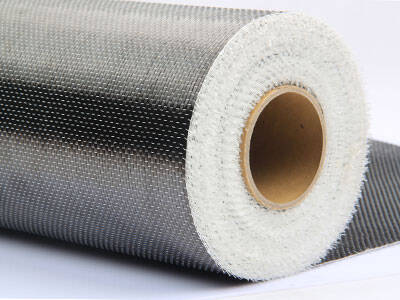
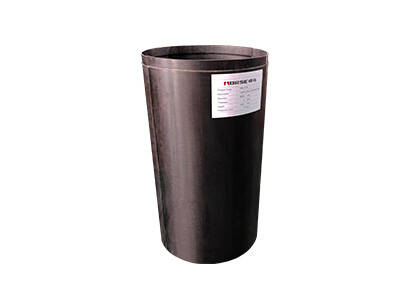
Lớp bọc sợi carbon đơn hướng, cường độ cao được bão hòa trước để tạo thành lớp bọc polyme gia cường sợi carbon (CFRP) dùng để gia cố các cấu kiện bê tông kết cấu.

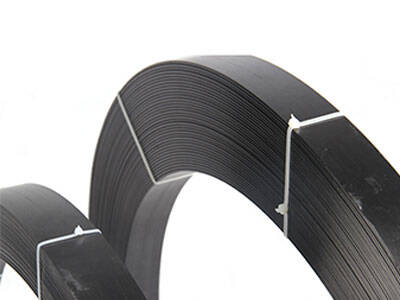
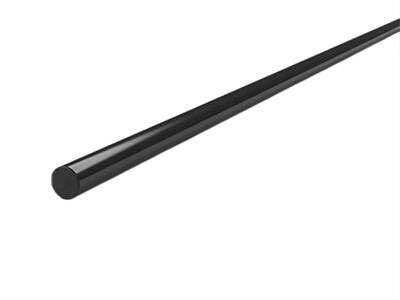
Dải / tấm polyme gia cường sợi carbon (CFRP) cường độ cao để gia cố kết cấu và sửa chữa bê tông

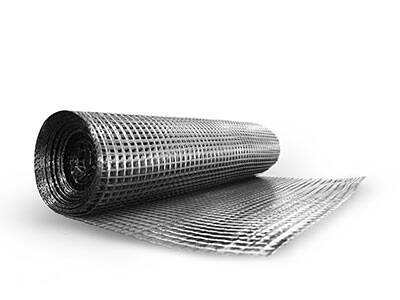
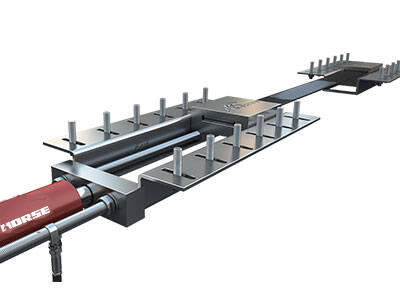
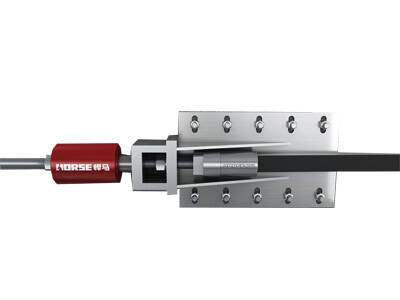
Tấm polyme gia cường sợi carbon (CFRP) ứng suất trước dùng để gia cố sàn, dầm nhằm tăng độ cứng, giảm biến dạng và độ võng của các cấu kiện, giảm vết nứt, tránh và ngăn ngừa nứt.
