


 Ngôn ngữ: Vietnamese











Giải pháp
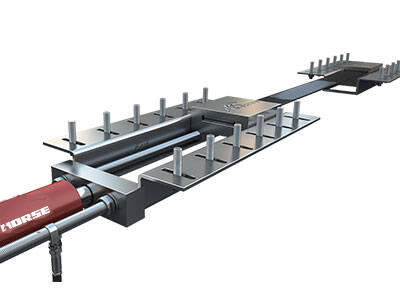
Horse Construction cung cấp đầy đủ các loại vật liệu gia cố kết cấu với hỗ trợ kỹ thuật, hỗ trợ tài liệu, hỗ trợ sản phẩm, hỗ trợ phần mềm, hỗ trợ dự án.
Phương pháp củng cố thép và kiểm tra lại

Phương pháp củng cố thép thường sử dụng một vật liệu quan trọng liên kết, đó là xây dựng kết cấu kết dính. Kết cấu này thường được kết dính bằng nhựa epoxy. Sau đó, thường thì việc sử dụng một đĩa thép tương đối mỏng, và để thực hiện một phương pháp điều trị nào đó trên bề mặt của một tấm thép mỏng, và sau đó gắn một miếng thép mỏng với một chất dính vào các phần của cấu trúc cần được gia cố. Một hình thức củng cố mà trong đó các tấm thép mỏng và bê tông hoạt động hòa hợp với chất keo này. Phương pháp củng cố này được phổ biến rộng rãi ở nước tôi vào những năm 1980. Phương pháp củng cố này không chỉ có thể được dùng cho cấu trúc chung, mà còn được sử dụng rộng rãi trong việc củng cố đường xá và cầu nối.
So với phương pháp củng cố truyền thống, lợi thế của phương pháp củng cố thép gắn kết có những đặc điểm sau:
1) Quá trình này đơn giản và việc xây cất thuận lợi. Miễn là những bộ phận cần được gia cố thường được điều trị, thì lớp thép và các bộ phận cấu trúc sẽ được gia cố chặt chẽ kết hợp chặt chẽ với nhau qua sự dính kết của cấu trúc. Bằng cách này, tấm thép và các bộ phận cấu trúc ban đầu có thể hoạt động hiệu quả với nhau. Ngoài ra, không cần thiết thiết thiết bị đặc biệt nào trong quá trình này, ít sử dụng nhân lực hơn, và việc xây dựng thuận lợi hơn.
2) Việc xây dựng lại không chỉ đòi hỏi phải có những đòi hỏi cao về kích thước của địa điểm, mà còn về tốc độ cứng cáp của kết cấu thì rất nhanh. Trong trường hợp bình thường, cái đĩa thép chỉ cần 3 lần gắn vào thành phần để mang một gánh nặng nhất định, nên không cần phải dừng sản xuất trong quá trình tăng cường.
3) Bảng thép được dùng trong phương pháp củng cố thép tương đối mỏng, nói chung là 4mm, và không gian chiếm đóng bởi đĩa thép tương đối nhỏ, mà về cơ bản không làm tăng trọng lượng và không gian của thành viên cấu trúc, và không ảnh hưởng đến sự xuất hiện của thành viên sau khi tăng cường.
4) hiệu ứng củng cố rất rõ ràng. Phương pháp củng cố thép không chỉ giải quyết hiệu quả vấn đề rằng thanh thép xây dựng ban đầu không đáp ứng được nhu cầu về cấu trúc. Ngoài ra, bằng cách sử dụng một số lượng lớn các đĩa thép và thành phần để dán hiệu quả, bê tông trong phần xây dựng ban đầu được bảo vệ, để các phần thành phần cần được tăng cường sẽ không tiếp tục có vết nứt hoặc các thành phần đã nứt sẽ được kiểm soát một cách hiệu quả.Do đó, các vết nứt không còn kéo dài và mở rộng, sự ổn định của các thành viên cấu trúc được củng cố một cách hữu hiệu, và sự vận hành tổng thể của các thành viên trong cấu trúc được cải thiện.
Lợi thế của việc củng cố thép liên kết
Công nghệ gia cố thép là một công nghệ trưởng thành. Mọi người chưa nghiên cứu phương pháp củng cố thép về mặt lý thuyết, và có nhiều vấn đề chưa được giải quyết hoàn toàn. Ví dụ, tính chất chống lão hóa của chất dính chúng ta sử dụng không đủ chắc chắn, dẫn đến một cuộc sống ngắn ngủi sau khi được tăng cường cấu trúc. Thứ hai, dưới hành động của một kẻ leo trèo tự nhiên, cấu trúc tòa nhà chắc chắn sẽ có ảnh hưởng rất xấu đến sức mạnh của trái phiếu sau khi được củng cố lại, kết quả là sự củng cố cấu trúc có thể bị hư hại một lần nữa do sự leo trèo tự nhiên của cấu trúc. Cuối cùng, cấu trúc được gia cố bằng thép kết nối cũng có thể bị hư hại dưới tác động của trọng tải năng động. Làm thế nào để ước lượng chính xác khi nó bị hư hại hoặc xác suất bị hư hại, không có phương pháp và phương pháp thích hợp, và có rất ít thí nghiệm trong nghiên cứu này.

Kiểm tra sức mạnh của sợi dây liên kết giữa thép và bê tông
Làm thế nào để đánh giá xem sợi dây liên kết có đủ khả năng hay không có thể được thử nghiệm bằng cách kiểm tra xem mối quan hệ đó có bị hư hại trước tiên hay không.
1) Liên kết độ mạnh của kéo cắt, sử dụng khối bê tông mạnh mẽ với độ mạnh C40 hoặc trên để gắn kết với khối thép để kiểm tra hai lần kéo
2) Sức bền dai
Bạn có thể tìm thấy mọi thứ bạn cần ở đây. Hãy tin tưởng và thử nghiệm các sản phẩm này, bạn sẽ thấy sự khác biệt lớn sau đó.

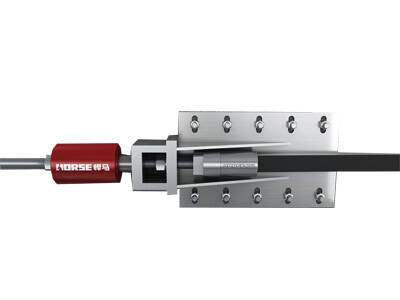
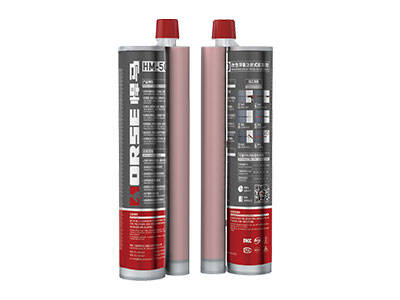
Keo Epoxy neo Horse HM-500T là vật liệu neo hiệu suất cao, gốc nhựa epoxy, có tính lưu biến, 2 thành phần dành cho thanh và cốt thép, thích hợp sử dụng trong bê tông khô và ẩm.

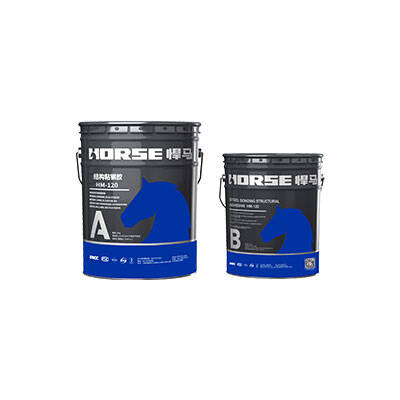
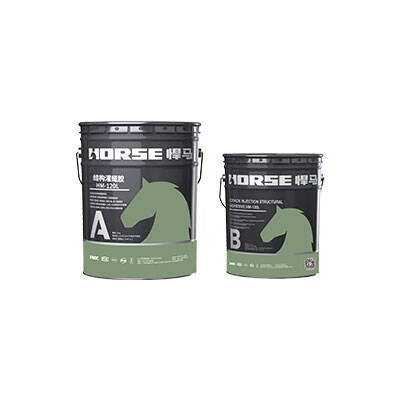
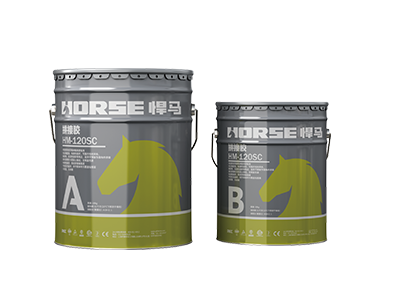
Keo liên kết tấm thép kết cấu HM-120 là sản phẩm epoxy hai thành phần, có độ bám dính mạnh, đóng rắn ở nhiệt độ phòng. Có đặc tính chống lão hóa, chống va đập tuyệt vời trong khả năng tự bám dính và bám dính lẫn nhau của thép và bê tông, với tốc độ cắt cao

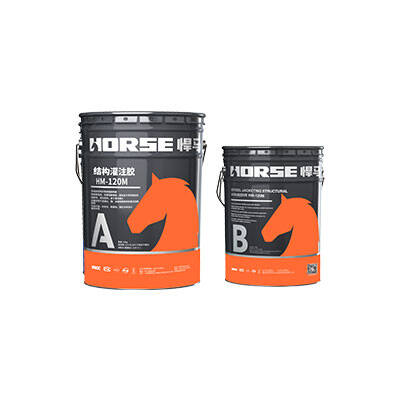
Keo phủ thép HM-120M là keo epoxy cải tiến loại mới, chuyên dùng để hỗ trợ cốt thép liên kết bằng keo. Có thể liên kết với nhiều loại vật liệu nền và kim loại, với các ưu điểm như cường độ liên kết cao, độ bền và độ bền cắt tuyệt vời, khả năng chống axit-k
