


 Ngôn ngữ: Vietnamese











Giải pháp
Horse Construction cung cấp đầy đủ các loại vật liệu gia cố kết cấu với hỗ trợ kỹ thuật, hỗ trợ tài liệu, hỗ trợ sản phẩm, hỗ trợ phần mềm, hỗ trợ dự án.
Quân đội CFRP trong các phòng thí nghiệm đặc biệt
Do lượng chất thải tăng lên của một tòa nhà máy, những tấm sàn rỗng tầng hai cần được gia cố. Trọng tải được tăng từ thiết kế ban đầu 2kg/m đến 8kg/m2.Theo yêu cầu thiết kế, nó cần được gia cố bằng lớp thép dính, và lớp thép dày 6mm. Khi sàn rỗng được làm bằng thép kết dính, vì số lượng lớn các lỗ tròn trong các tấm in trước khi bị tắc, khi các bu lông mở rộng được dùng để nén, các bu lông mở rộng được đưa vào các lỗ tròn không dễ dàng để neo và cố định. Sau khi so sánh nhiều chương trình. Sau khi thương lượng với thiết kế, cuối cùng nó đã được xác định để được tăng cường với sợi cacbon (CFC.
Tính năng kỹ thuật
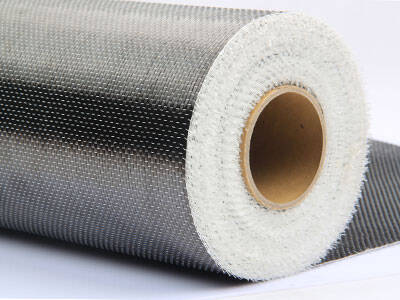
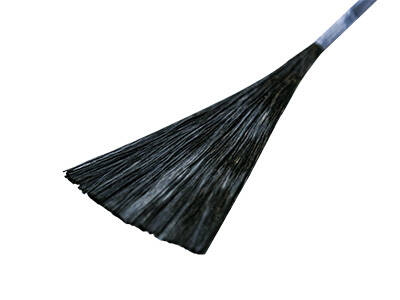
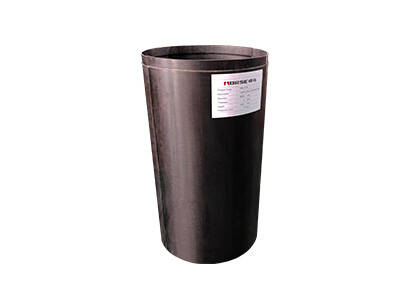
1) So sánh với phương pháp củng cố truyền thống, gắn kết với sợi cacbon bao bọc có nhiều lợi thế
• Cài đặt dễ dàng • Chống lại sự đam mê 2) Carbon wrap Index hiệu suất
|
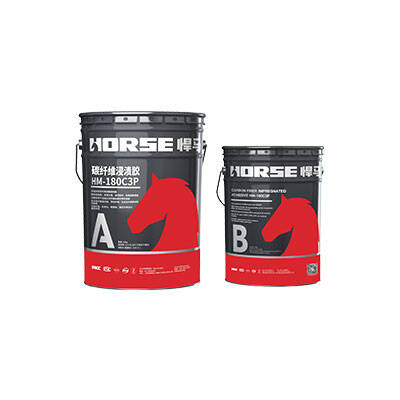
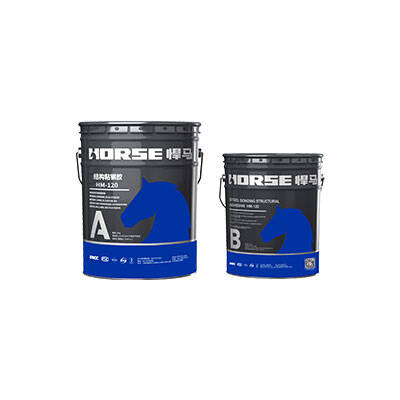
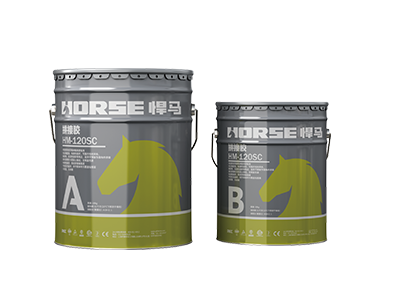
3) Khớp nhựa
Chức năng của hai chất liệu đầu tiên bao gồm nhựa ở dưới, chất lượng bằng nhau và chất nhựa dính là cải thiện chất lượng kết nối của sợi cacbon, trong khi chức năng của chất lượng của chất lượng thứ hai là làm cho sợi cacbon và bê tông hình thành một tổng hợp và làm việc cùng nhau.

Cấu trúc xi măng đã được căng thẳng trước được gia cố bằng sợi cacbon bao bọc có thể cải thiện khả năng chịu đựng của các phiến đá mà không làm chệch hướng lớn. Và nó không tăng đáng kể chiều cao của lớp, đó là phương pháp củng cố lý tưởng cho cấu trúc bê tông.
Bạn có thể tìm thấy mọi thứ bạn cần ở đây. Hãy tin tưởng và thử nghiệm các sản phẩm này, bạn sẽ thấy sự khác biệt lớn sau đó.

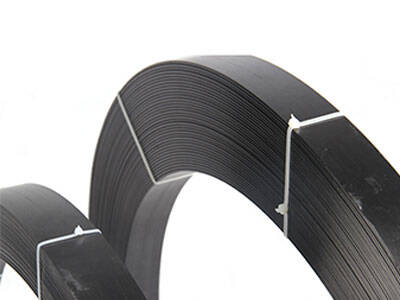
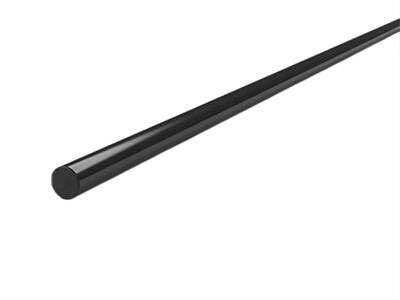
Dải / tấm polyme gia cường sợi carbon (CFRP) cường độ cao để gia cố kết cấu và sửa chữa bê tông

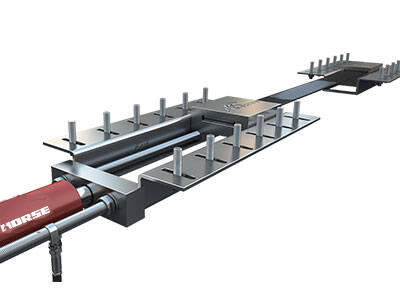
Tấm polyme gia cường sợi carbon (CFRP) ứng suất trước dùng để gia cố sàn, dầm nhằm tăng độ cứng, giảm biến dạng và độ võng của các cấu kiện, giảm vết nứt, tránh và ngăn ngừa nứt.

