


 Ngôn ngữ: Vietnamese











Giải pháp
Horse Construction cung cấp đầy đủ các loại vật liệu gia cố kết cấu với hỗ trợ kỹ thuật, hỗ trợ tài liệu, hỗ trợ sản phẩm, hỗ trợ phần mềm, hỗ trợ dự án.
Tại sao khí lưu huỳnh được dùng trong việc tăng cường độ carbon Fiber?

Trước khi trả lời câu hỏi này, chúng ta phải hiểu nguyên tắc Cấu trúc sợi cacbon được củng cố .
Nguyên tắc của sợi cacbon được củng cố là chuẩn bị cho sợi cacbon với độ bền cao thành một chất gia cố tổng hợp (u một chiều sợi liên tục) với nhựa epoxy. Chất lỏng nhựa dẻo được dán trên cấu trúc để tăng cường theo hướng căng hoặc vuông góc để tạo thành một sự phức tạp mới, nhờ đó vật liệu liên kết được củng cố và bê tông gia cố có thể chịu lực đẩy để tăng lực kháng vết nứt hoặc sức chống kéo của cấu trúc, và cải thiện sức mạnh, cứng, nứt và kéo dài của cấu trúc.

Vậy tại sao epoxy được sử dụng trong việc tăng cường cấu trúc sợi cacbon?
Chức năng chính của nhựa epoxy là kết hợp các sợi cacbon với nhau để lấp khoảng cách giữa các sợi cacbon, truyền lực giữa các sợi, ngăn chặn sợi sợi phù hợp với áp suất và sợi tơ bảo vệ.
Một chỉ mục cơ khí quan trọng của nhựa epoxy là sự kéo dài của nhựa. Khi chọn nhựa epoxy, chất nhựa dẻo phải lớn hơn chất sợi cacbon, để đảm bảo chất nhựa không bị hư hại trước khi sợi cacbon bị vỡ.
Lớp sợi cacbon không liên kết chặt chẽ. Nguyên nhân và giải pháp có thể:
1 Sau khi hết hạn sử dụng, độ đa dạng của sự không sinh sản gia tăng, vải cacbon không hoàn toàn thụ thai, và sự kết nối không bền vững. Công trình xây dựng phải được thực hiện trong giai đoạn thích hợp của chất keo thụ thai.
2 Số lượng thuốc chống thai quá nhỏ, vải cacbon không hoàn toàn không có khả năng thụ thai, và bê tông không được hòa trộn với chất đông máu và sợi cacbon.
3 Khi nhiệt độ thấp, các bong bóng trong vải sợi cacbon không hoàn toàn được thải ra trong quá trình xây dựng. Trước khi xây dựng, thành phần A và thành phần B có thể được làm nóng riêng biệt.
4 Số lượng keo được dùng khác nhau với mặt phẳng bê tông. Khi lượng keo được dùng trong khóa học căn bản mới là quá nhiều, nó có thể không gắn kết chặt chẽ, trong khi số lượng keo dùng trong khóa học cũ là quá ít, nó có thể không gắn kết chặt chẽ.
Bạn có thể tìm thấy mọi thứ bạn cần ở đây. Hãy tin tưởng và thử nghiệm các sản phẩm này, bạn sẽ thấy sự khác biệt lớn sau đó.

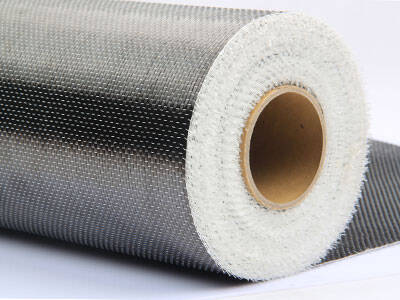
Lớp bọc sợi carbon đơn hướng, cường độ cao được bão hòa trước để tạo thành lớp bọc polyme gia cường sợi carbon (CFRP) dùng để gia cố các cấu kiện bê tông kết cấu.

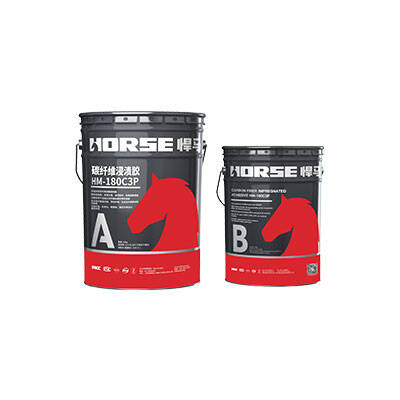
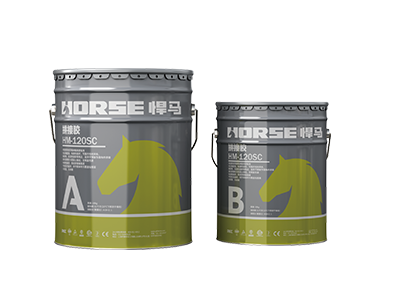
Keo dán sợi carbon tẩm tốt để ứng dụng polyme gia cường sợi carbon (CFRP) để gia cố kết cấu

Vải sợi carbon đơn hướng, cường độ cao được bão hòa trước để tạo thành vải polyme gia cố sợi carbon (CFRP) dùng để gia cố các cấu kiện bê tông kết cấu.
