


 Ngôn ngữ: Vietnamese











Giải pháp
Horse Construction cung cấp đầy đủ các loại vật liệu gia cố kết cấu với hỗ trợ kỹ thuật, hỗ trợ tài liệu, hỗ trợ sản phẩm, hỗ trợ phần mềm, hỗ trợ dự án.
Có sự khác biệt nào giữa sự thích nghi và sự củng cố?

Vấn đề cần giải quyết
• Sự phát triển của các cấu trúc sinh ra sự sống và hiệu quả
• Xóa bỏ những nguyên nhân và hiệu quả cụ thể
• Tính dễ chịu
• chẩn đoán và kiểm tra hiệu suất thất bại.
• Đánh giá thiệt hại và đánh giá mô hình
• Đánh giá tình trạng cấu trúc
• Phân tích và thiết kế kỹ thuật sửa chữa thích hợp
• Vật liệu để bảo vệ, sửa chữa và phục hồi
• Sửa kỹ thuật kỹ thuật-Shotcreting, súng ống v.v...
• Kỹ thuật làm ấm lòng và thêm sức
• Tăng cường động đất
• Cầu xin sự phục hồi

Có sự khác biệt nào giữa sự thích nghi và sự củng cố?
Các khuyết điểm: Đây là những khuyết điểm được đưa ra qua thiết kế kém, công việc kém trước khi bắt đầu thiết kế sự sống của cấu trúc hoặc qua những hoạt động và sự bảo trì không đầy đủ trong đời sống phụng sự.
Bảo trì: quá trình tái xây dựng và tái xây dựng các tòa nhà hiện tại một phần hay nguyên một phần
Công trình bảo trì hoặc thay đổi đáng kể để kéo dài sự sống của một tòa nhà.
Tái chế: Về cơ bản, cũng giống như việc sửa chữa nhà cửa.
Phục hồi: Việc nâng cấp đòi hỏi phải đáp ứng nhu cầu hiện tại - quá trình nhạy cảm với những đặc điểm của tòa nhà và sự thông cảm với cấu trúc ban đầu để phù hợp hoặc sửa chữa hoặc sửa chữa cấu trúc theo những điều kiện cần thiết.
Phục hồi: Quá trình tái thiết lại vật liệu, hình dạng và hình dáng của một cấu trúc.
Làm vững mạnh Quá trình tăng khả năng chịu được trọng lượng của một cấu trúc hoặc một phần.
Độ tương thích : Quá trình củng cố cấu trúc và hệ thống cấu trúc, nếu cần, để tuân theo mọi quy định con cái thích hợp trong giai đoạn này.
Phân hủy: Quá trình kéo các cấu trúc không thích hợp cho dịch vụ.
Bạn có thể tìm thấy mọi thứ bạn cần ở đây. Hãy tin tưởng và thử nghiệm các sản phẩm này, bạn sẽ thấy sự khác biệt lớn sau đó.

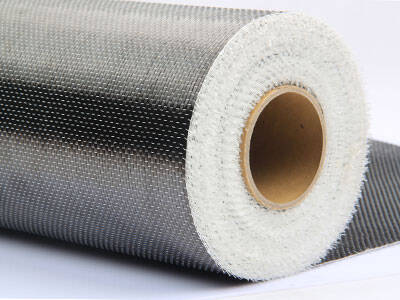
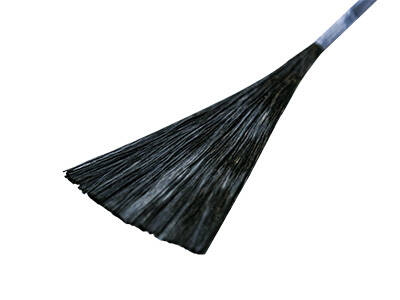
Lớp bọc sợi carbon đơn hướng, cường độ cao được bão hòa trước để tạo thành lớp bọc polyme gia cường sợi carbon (CFRP) dùng để gia cố các cấu kiện bê tông kết cấu.

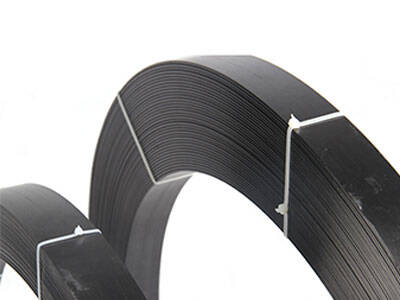
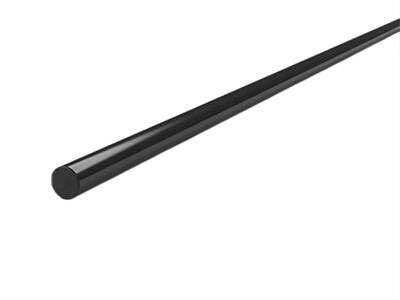
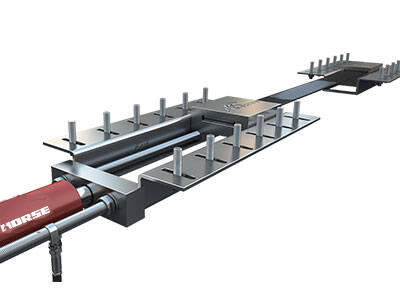
Tấm polyme gia cường sợi carbon (CFRP) ứng suất trước dùng để gia cố sàn, dầm nhằm tăng độ cứng, giảm biến dạng và độ võng của các cấu kiện, giảm vết nứt, tránh và ngăn ngừa nứt.

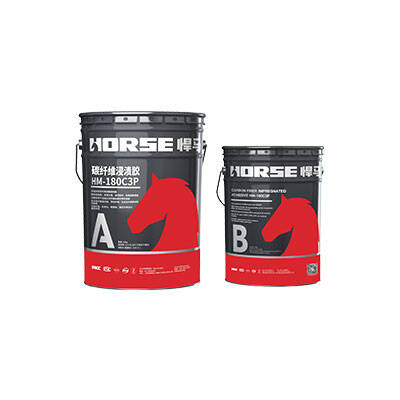
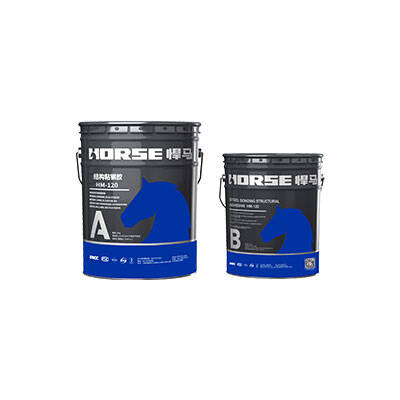
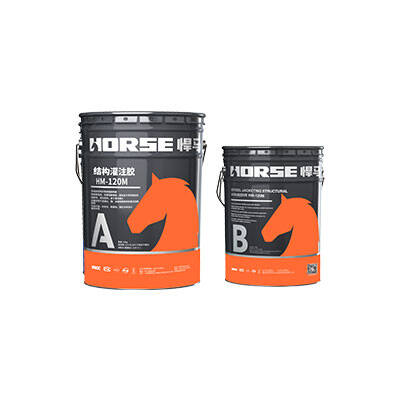
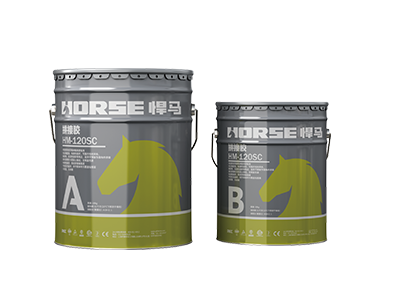
Keo phủ thép HM-120M là keo epoxy cải tiến loại mới, chuyên dùng để hỗ trợ cốt thép liên kết bằng keo. Có thể liên kết với nhiều loại vật liệu nền và kim loại, với các ưu điểm như cường độ liên kết cao, độ bền và độ bền cắt tuyệt vời, khả năng chống axit-k
