


 Ngôn ngữ: Vietnamese











Giải pháp
Horse Construction cung cấp đầy đủ các loại vật liệu gia cố kết cấu với hỗ trợ kỹ thuật, hỗ trợ tài liệu, hỗ trợ sản phẩm, hỗ trợ phần mềm, hỗ trợ dự án.
Carbon Fiber trở thành tình yêu mới của việc tái thiết động đất và phục hồi

" hung thủ không phải là động đất, mà là tòa nhà." đây là một câu nói nổi tiếng trong ngành khoa học thảm họa động đất. Những thiệt hại trên không chỉ do động đất, mà còn do hoạt động địa chấn của các tòa nhà. Như chúng ta đều biết, Nhật Bản là một trong những nước có động đất thường xuyên nhất trên thế giới. Năm 2011, trận động đất lớn nhất là 9.0 trên thang điểm Richter ở Đông Nhật, gây sốc cho thế giới, gây ra tai nạn rò rỉ hạt nhân tại nhà máy điện hạt nhân Fukushima.15884 người đã bị giết và 2633 người bị mất tích. Cơn sóng thần đã từng tác động đến các quốc gia dọc bờ biển Thái Bình Dương. Điều đáng buồn hơn là chiếc Wenchuan 8 năm 2008. Không động đất, đã giết 69227 người, làm hại 374643 người và mất 1923 người. Số thương vong gấp năm lần Nhật Bản. Trận động đất Türkiye gần đây đã giết hơn 50 ngàn người ở Türkiye và Syria.
Một bài học đau lòng như thế sẽ đánh thức chúng ta dậy. Lý do cơ bản là vì Trung Quốc ' việc xây dựng khả năng địa chấn là rất kém, nên cần cấp bách cải thiện Trung Quốc ' khả năng dự đoán động đất và cải thiện công nghệ địa chấn!
Do các thảm họa động đất thường xuyên xảy ra ở Nhật Bản, người ta quen thuộc với những biện pháp thoát hiểm, và quan trọng hơn, các tòa nhà Nhật Bản là những tòa nhà ấn tượng nhất trên thế giới. Ngay từ năm 2004, 10 công ty xây dựng lớn, bao gồm Toray, Tobon và Duubishi, đã thành lập Hiệp hội Nghiên cứu Xây dựng "SR-CF ", và thông qua các đánh giá kỹ thuật của Hiệp hội Phòng chống Thảm họa Xây dựng Nhật Bản để cùng phát triển và sử dụng sợi cacbon để tăng cường địa chấn của các tòa nhà, cầu và các tòa nhà khác.Do đó, Nhật Bản bị động đất và được công nhận là quốc gia chống động đất lớn nhất thế giới.

Tại sao Nhật Bản ' xây dựng năng lượng địa chấn mạnh đến thế?Theo sự cung cấp của Nhật Bản 's " Xây dựng Luật Benchmark ", dự án chỉ có thể bắt đầu sau khi thiết kế, các bản vẽ xây dựng và các tài liệu khác đã được gửi đi và báo cáo về địa chấn xây dựng phải được gửi đi.Wang Wei, một kỹ sư xây dựng nổi tiếng của Viện nghiên cứu và Thiết kế Kiến trúc Trung Hoa, nói rằng trong bài báo của ông " Đánh giá Criteria và củng cố các phương pháp chống động đất cho việc củng cố động đất của tòa nhà Nhật Bản " rằng sự kháng chiến của các tòa nhà Nhật Bản là do ba lý do chính, cụ thể là do sự kháng động đất cấu trúc, sự kháng động đất cấu trúc và sự kháng động đất. Công nghệ cách nhiệt được sử dụng rộng rãi trong cấu trúc, và miếng cao su co giãn được lắp đặt ở dưới cùng của tòa nhà. Sự va chạm có thể làm giảm sự căng thẳng của tòa nhà xuống một nửa trong trận động đất độ 6 hoặc hơn. Điều đáng chú ý nhất là các vật liệu xây dựng sử dụng một loạt các vật liệu tổng hợp cao như chất cacbon kết hợp và xi măng cacbon được gia cố.Do đó, thiệt hại về tòa nhà do trận động đất ở Nhật Bản gây ra tương đối nhỏ so với những nước khác.
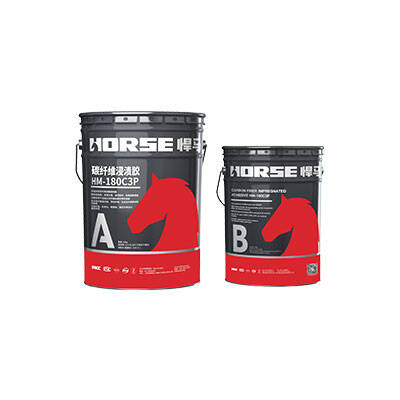
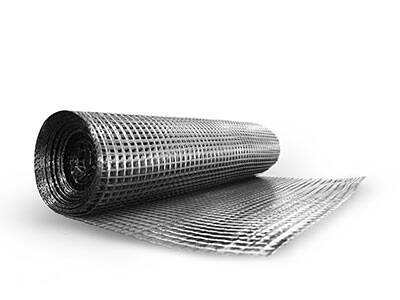
Bạn có thể tìm thấy mọi thứ bạn cần ở đây. Hãy tin tưởng và thử nghiệm các sản phẩm này, bạn sẽ thấy sự khác biệt lớn sau đó.

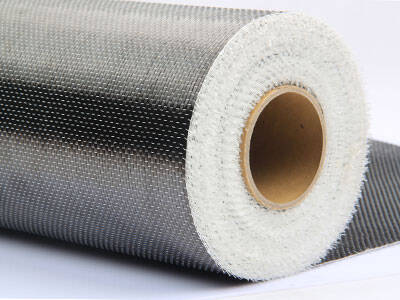
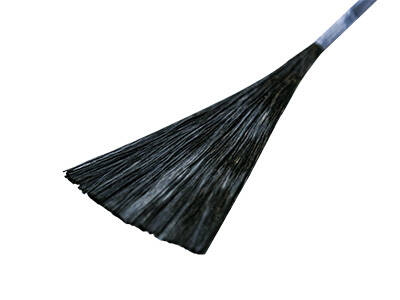
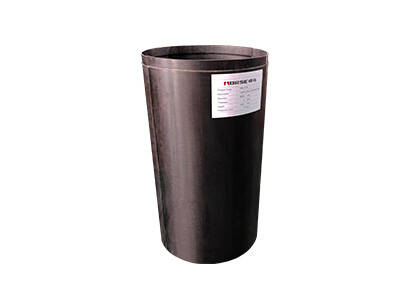
Lớp bọc sợi carbon đơn hướng, cường độ cao được bão hòa trước để tạo thành lớp bọc polyme gia cường sợi carbon (CFRP) dùng để gia cố các cấu kiện bê tông kết cấu.

Vải sợi carbon đơn hướng, cường độ cao được bão hòa trước để tạo thành vải polyme gia cố sợi carbon (CFRP) dùng để gia cố các cấu kiện bê tông kết cấu.

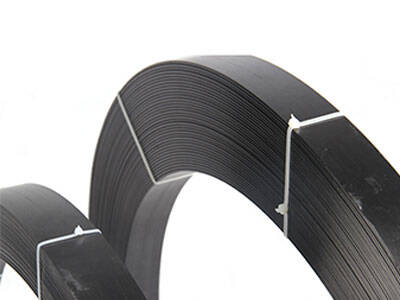
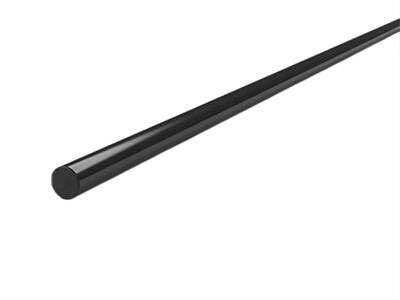
Tấm sợi carbon đơn hướng, cường độ cao được bão hòa trước để tạo thành tấm polyme gia cường sợi carbon (CFRP) dùng để gia cố các cấu kiện bê tông kết cấu.
