


 Ngôn ngữ: Vietnamese











Giải pháp
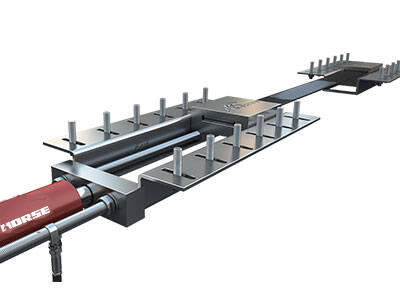
Horse Construction cung cấp đầy đủ các loại vật liệu gia cố kết cấu với hỗ trợ kỹ thuật, hỗ trợ tài liệu, hỗ trợ sản phẩm, hỗ trợ phần mềm, hỗ trợ dự án.
Một tài liệu tốt cho động đất ở Thổ Nhĩ Kỳ?

Dùng được không? Sợi carbon để sửa chữa động đất gà tây?
Đúng vậy, sợi cacbon là vật liệu tốt để dùng để sửa chữa và cải tạo các tòa nhà ở Thổ Nhĩ Kỳ đã bị động đất làm hư hại.
Ở Thổ Nhĩ Kỳ, nơi động đất xảy ra thông thường, việc dùng sợi cacbon để cải tạo địa chấn đã trở nên phổ biến trong những năm gần đây. Bằng cách cải tạo các tòa nhà hiện có bằng sợi cacbon, các kỹ sư và kiến trúc sư có thể giúp cải thiện sự an toàn và sức chịu đựng của môi trường xây dựng, giảm nguy cơ thiệt hại và thiệt hại sinh mạng trong một trận động đất.
Tại sao dùng sợi cacbon để sửa chữa động đất gà tây là điều tốt?
Tỷ lệ mạnh với trọng lượng cao: sợi carbon là một vật liệu cực mạnh, với tỷ lệ cân nặng cao. Điều này có nghĩa là nó có thể cung cấp một sự tăng cường đáng kể cho một tòa nhà mà không cần thêm nhiều trọng lượng hay khối lượng.
Khả năng kéo dài: Sợi carbon rất bền và có thể chịu được nhiều điều kiện môi trường khác nhau, kể cả hoạt động địa chấn. Điều này khiến nó trở thành một lựa chọn tốt cho việc cải tạo các tòa nhà trong những khu vực có động đất như Thổ Nhĩ Kỳ.
Dễ áp dụng: Sợi carbon có thể được áp dụng một cách nhanh chóng và dễ dàng cho các cấu trúc hiện có, mà không cần phải phá hủy rộng rãi hoặc tái tạo công trình. Điều này có nghĩa là việc sửa chữa có thể được hoàn tất nhanh chóng và với giá thấp hơn các phương pháp khác.
Khả năng bay lượn: Sợi carbon là một vật liệu linh hoạt có thể uốn nắn và uốn nắn để phù hợp với nhu cầu cụ thể của một tòa nhà. Điều này khiến nó trở thành một sự lựa chọn linh hoạt để cải tạo nhiều thành phần xây dựng khác nhau, bao gồm tường, xà và cột.
Và có một vài khối sợi cacbon trong trận động đất
Một ví dụ về việc sử dụng sợi cacbon trong việc sửa chữa động đất ở Thổ Nhĩ Kỳ là tháp Istanbul Sapphire. Tòa nhà 54 tầng này được thiết kế với những tính năng chống địa chấn, bao gồm việc sử dụng CFRP để củng cố tòa nhà' những bức tường và cột cốt lõi. Ngoài ra, sau một trận động đất năm 2011, tòa nhà đã trải qua một quá trình cải tạo, bao gồm việc áp dụng CFRP cho tòa nhà và#39; các cột trụ để cải thiện sức đề kháng động đất.
Một thí dụ khác là việc dùng sợi cacbon để sửa chữa và cải tạo các tòa nhà lịch sử, chẳng hạn như Hagia Sophia ở Istanbul. Sau trận động đất năm 1999, Hagia Sophia trải qua một dự án phục hồi lớn gồm việc dùng CFRP để củng cố tòa nhà này và#39; tường và mái vòm.
Nói chung, việc sử dụng công nghệ sợi cacbon trong việc sửa chữa và cải tạo động đất ở Thổ Nhĩ Kỳ đã thành công trong việc cải thiện sự an toàn và sự bền vững của các tòa nhà trong các khu vực động đất, giảm nguy cơ thiệt hại và thiệt hại nhân mạng trong trường hợp động đất trong tương lai.
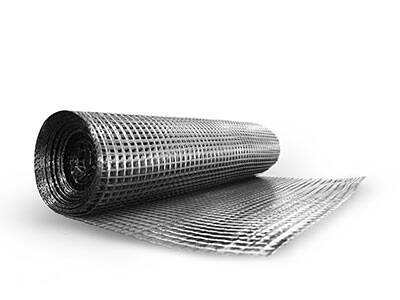
Bạn có thể tìm thấy mọi thứ bạn cần ở đây. Hãy tin tưởng và thử nghiệm các sản phẩm này, bạn sẽ thấy sự khác biệt lớn sau đó.

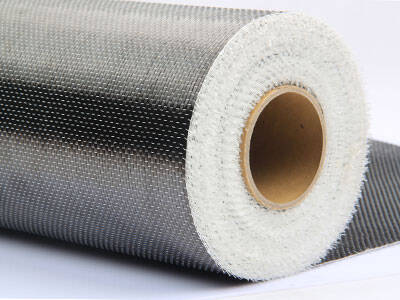
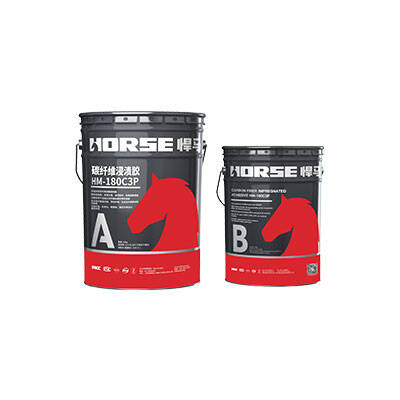
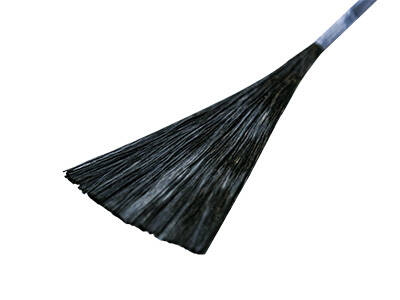
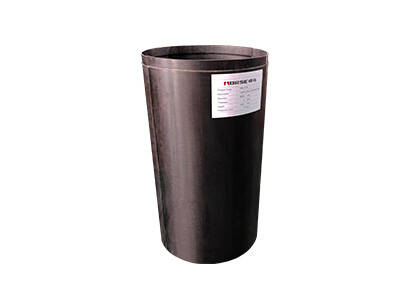
Lớp bọc sợi carbon đơn hướng, cường độ cao được bão hòa trước để tạo thành lớp bọc polyme gia cường sợi carbon (CFRP) dùng để gia cố các cấu kiện bê tông kết cấu.

Vải sợi carbon đơn hướng, cường độ cao được bão hòa trước để tạo thành vải polyme gia cố sợi carbon (CFRP) dùng để gia cố các cấu kiện bê tông kết cấu.

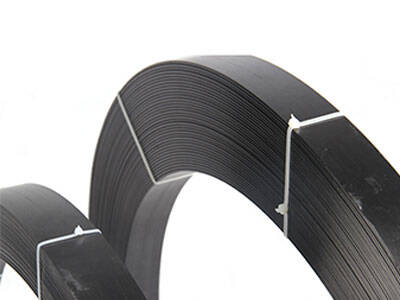
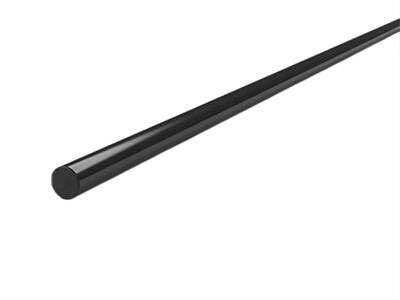
Tấm sợi carbon đơn hướng, cường độ cao được bão hòa trước để tạo thành tấm polyme gia cường sợi carbon (CFRP) dùng để gia cố các cấu kiện bê tông kết cấu.
