


 Ngôn ngữ: Vietnamese











Giải pháp
Horse Construction cung cấp đầy đủ các loại vật liệu gia cố kết cấu với hỗ trợ kỹ thuật, hỗ trợ tài liệu, hỗ trợ sản phẩm, hỗ trợ phần mềm, hỗ trợ dự án.
Điều gì giúp bạn vững mạnh?

Cái gì là cái gì Tăng cường cấu trúc♪?
Tăng cường cấu trúc bao hàm quá trình cải thiện khả năng chịu lực của các cấu trúc hiện tại, chẳng hạn như các tòa nhà, cầu nối và các cơ sở hạ tầng khác, để đáp ứng các đòi hỏi của các mật mã và tiêu chuẩn hiện đại, hoặc để kéo dài đời sống phục vụ của họ. Điều này thường được thực hiện bằng cách thêm các yếu tố cấu trúc mới hoặc củng cố lại những nguyên tố đã có, như cột, xà, tường, hoặc nền tảng, sử dụng nhiều vật liệu và kỹ thuật khác nhau như thép, bê tông, tổng hợp, hoặc sợi quang hợp (FRP).
Có thể cần phải tăng cường cấu trúc về nhiều lý do khác nhau, chẳng hạn như sự thay đổi trong việc cư trú hoặc sử dụng, sự suy thoái do tuổi già, sự ăn mòn hoặc các yếu tố môi trường, sự thiệt hại do thiên tai hoặc tai nạn, hoặc sự an toàn mới hoặc những đòi hỏi hiệu suất mới. Mục tiêu của việc củng cố cấu trúc là đảm bảo rằng cấu trúc có thể chịu đựng được những vật nặng và căng thẳng mà người ta mong đợi, chống lại sự biến dạng và vỡ vụn, và duy trì sự trung kiên và ổn định qua thời gian.
Quá trình củng cố cấu trúc thường bao hàm đánh giá chi tiết về cấu trúc hiện có, bao gồm hình học, vật liệu và điều kiện, cũng như những vật chất và điều kiện môi trường mong đợi. Dựa trên sự đánh giá này, người ta phát triển một phương pháp bổ sung thích hợp, có thể liên quan đến việc sử dụng bên ngoài hoặc bên trong sự củng cố, cũng như sự thay đổi hệ thống cấu trúc hoặc sự bổ sung các yếu tố mới.
Tăng cường cấu trúc là một lĩnh vực quan trọng trong kỹ thuật dân sự, vì nó cho phép bảo tồn và sử dụng lại các cấu trúc hiện tại, giảm nhu cầu về phá hủy và thay thế tốn kém, và tăng cường sự an toàn, bền vững và bền vững của môi trường xây dựng.

Một số vật liệu thông thường dùng để củng cố cấu trúc là gì?
Có nhiều vật liệu thường được dùng để tăng cường cấu trúc, kể cả:
Thép thép là một vật liệu phổ biến để tăng cường cấu trúc do độ bền, độ bền và độ bền cao của nó. Nó thường được dùng để củng cố bên ngoài, chẳng hạn như các tấm thép, góc hay kênh, được chốt hoặc hàn vào cấu trúc hiện có.
Bê tông: Có thể dùng để củng cố cả bên ngoài lẫn bên trong, chẳng hạn như áo khoác bê tông, bọc kín, hoặc dùng dụng cụ bắn để tạo thêm sức mạnh và sự cứng rắn cho cấu trúc. Nó cũng có thể được sử dụng cho việc tăng cường, bao gồm việc áp dụng dây cáp thép mạnh hoặc các sợi dây buộc với cấu trúc và sau đó căng chúng để tăng khả năng chịu lực chịu lực.
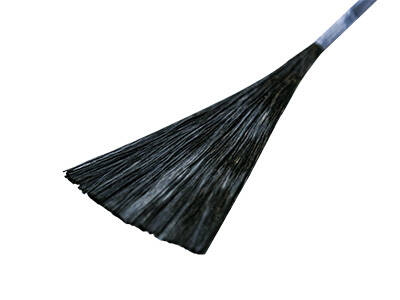
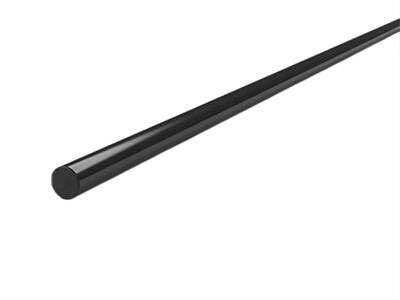
Chất lỏng sợi sợi gai (FRP): Các hợp chất FRP, như sợi cacbon, sợi thủy tinh, hay sợi aramid, là vật liệu nhẹ, có sức mạnh cao mà ngày càng được sử dụng để tăng cường cấu trúc. Chúng có thể được áp dụng như là bọc bên ngoài, hoặc các vết nứt, hoặc như sự củng cố bên trong sử dụng các thanh sợi hoặc thanh nhựa.
Cây bút: Có thể dùng để củng cố nội bộ, chẳng hạn như thêm những thanh gỗ mới hoặc cột vào cấu trúc hiện có, hoặc để tăng cường bề ngoài, như tấm gỗ hoặc xà bị đục hoặc dính vào cấu trúc.
Masonry: Các cấu trúc của Masonry có thể được củng cố bằng cách dùng những phương pháp như làm trống rỗng, nơi mà những khoảng trống trong thợ nề được lấp đầy bằng những miếng gỗ cứng, hoặc bằng cách thêm vào những bức tường hoặc cột xây dựng mới.
Bạn có thể tìm thấy mọi thứ bạn cần ở đây. Hãy tin tưởng và thử nghiệm các sản phẩm này, bạn sẽ thấy sự khác biệt lớn sau đó.

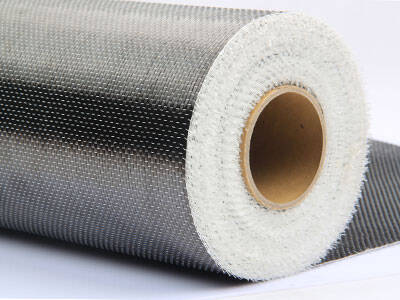
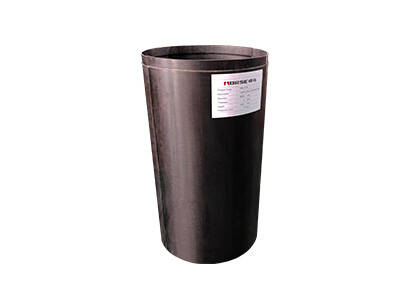
Lớp bọc sợi carbon đơn hướng, cường độ cao được bão hòa trước để tạo thành lớp bọc polyme gia cường sợi carbon (CFRP) dùng để gia cố các cấu kiện bê tông kết cấu.

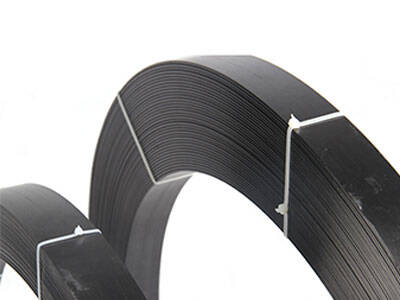
Dải / tấm polyme gia cường sợi carbon (CFRP) cường độ cao để gia cố kết cấu và sửa chữa bê tông

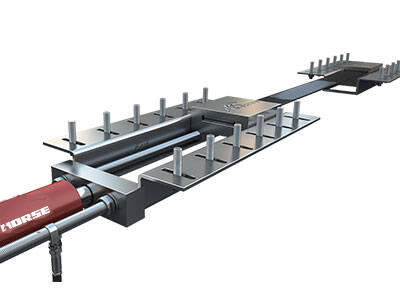
Tấm polyme gia cường sợi carbon (CFRP) ứng suất trước dùng để gia cố sàn, dầm nhằm tăng độ cứng, giảm biến dạng và độ võng của các cấu kiện, giảm vết nứt, tránh và ngăn ngừa nứt.
