


 Ngôn ngữ: Vietnamese









Giải pháp
Horse Construction cung cấp đầy đủ các loại vật liệu gia cố kết cấu với hỗ trợ kỹ thuật, hỗ trợ tài liệu, hỗ trợ sản phẩm, hỗ trợ phần mềm, hỗ trợ dự án.
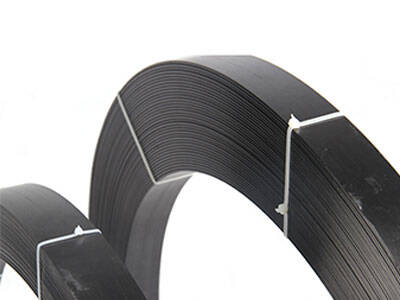
Các mảnh kim loại được bọc ngoài VS Carbon Fiber

Làm thế nào làm bên ngoài các đĩa thép bọc so với Các dải sợi cacbon về tính bền vững?
Những tấm thép bọc bên ngoài và các dải sợi cacbon đều là vật liệu hiệu quả để tăng cường cấu trúc, nhưng chúng khác nhau về mặt bền vững. Sau đây là một số khác biệt then chốt giữa hai vật liệu này:
Khả năng kéo dài: Những tấm thép thường được xem là bền hơn những dải sợi cacbon. Chúng mạnh mẽ hơn và kháng cự hơn với những tổn thương do tác động, vết trầy xước, và những hình thức khác của sự mòn mỏi và nước mắt. Tuy nhiên, những tấm thép dễ bị ăn mòn, có thể làm giảm tính bền bỉ của chúng theo thời gian.
Những dải carbon nhẹ hơn nhiều so với những bản kẽm thép, giúp chúng dễ sử dụng và cài đặt hơn. Điều này có thể là một lợi thế trong việc áp dụng trọng lượng, chẳng hạn như trong các tòa nhà hoặc cầu nối.
Chi phí: Những tấm thép thường ít tốn kém hơn những dải sợi cacbon, mặc dù tổng chi phí sẽ tùy thuộc vào ứng dụng cụ thể và kích cỡ và độ dày của các tấm hoặc dải.
Liên kết: Cả hai lớp thép và sợi cacbon đều được kết nối với cấu trúc hiện có bằng cách sử dụng keo dán. Tuy nhiên, chất dính dùng cho các tấm thép thường khó dùng hơn và đòi hỏi thiết bị đặc biệt hơn chất kết dính được dùng cho các dải sợi cacbon.
Thuốc gây mê: Các sợi carbon thường dễ chịu hơn những tấm thép, vì chúng mỏng hơn và linh hoạt hơn, và có thể được vẽ phù hợp với cấu trúc hiện có. Đĩa thép có thể dễ thấy hơn và có thể cần thêm công việc hoàn tất để hòa trộn với cấu trúc chung quanh.

Một số ứng dụng thông thường cho các tấm thép bọc bên ngoài và các dải sợi carbon là gì?
Những tấm thép bọc bên ngoài và các dải sợi cacbon thường được sử dụng trong nhiều ứng dụng khác nhau để tăng cường cấu trúc, bao gồm:
Những tòa nhà: Cả những tấm thép và những dải sợi cacbon có thể được dùng để củng cố những tòa nhà bị hư hại bởi Hoạt động địa chấn Thời tiết, hoặc những hình thức khác của sự hao mòn và nước mắt. Chúng có thể được áp dụng cho các cột, xà, tường và các yếu tố cấu trúc khác để tăng khả năng chịu lực và cải thiện khả năng của chúng chống lại sự biến dạng.
Các cầu nối: Các tấm thép và các dải sợi cacbon thường được dùng để củng cố những cây cầu bị hư hỏng bởi giao thông, ăn mòn hoặc những hình thức khác của mòn và rách. Chúng có thể được áp dụng cho mặt dưới của boong cầu or to the Hỗ trợ cầu để tăng khả năng tải và tăng độ bền.
Đường hầm: Các tấm thép và các dải cacbon có thể được dùng để củng cố đường hầm bị hư hại bởi nước lọc, hoạt động địa chấn, hoặc những hình thức mòn và nước mắt khác. Chúng có thể được áp dụng cho các bức tường hoặc trần của đường hầm để tăng khả năng chịu lực và tăng cường khả năng chống biến dạng của chúng.
Các cơ sở công nghiệp: Các tấm thép và các sợi cacbon có thể được dùng để củng cố các cơ sở công nghiệp, chẳng hạn như sản xuất các nhà máy hoặc nhà máy điện, là những vật nặng, rung động, hoặc những dạng căng thẳng khác. Chúng có thể được áp dụng cho các yếu tố cấu trúc, chẳng hạn như các cột hay xà, để cải thiện khả năng chịu tải và kháng cự việc biến dạng của chúng.
Các cấu trúc lịch sử: Những tấm thép và các dải sợi cacbon có thể được dùng để củng cố các cấu trúc lịch sử, chẳng hạn như các công trình kiến trúc hoặc tòa nhà, trong khi giữ nguyên hình dạng ban đầu của chúng. Chúng có thể được áp dụng cho các yếu tố cấu trúc, chẳng hạn như các nhà ngoài hay các bức tường, để tăng khả năng chịu đựng và cải thiện khả năng bền vững của chúng, mà không làm hỏng thiết kế ban đầu.
Bạn có thể tìm thấy mọi thứ bạn cần ở đây. Hãy tin tưởng và thử nghiệm các sản phẩm này, bạn sẽ thấy sự khác biệt lớn sau đó.

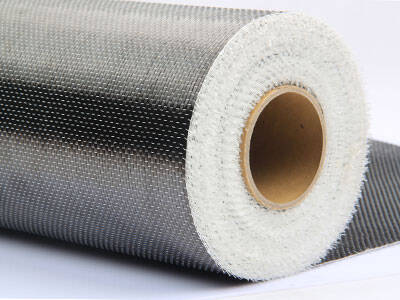
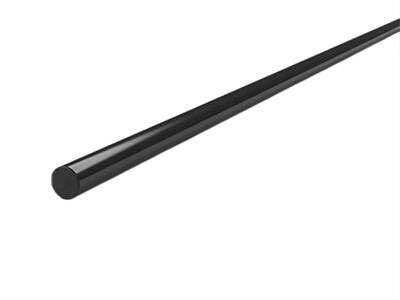
Dải / tấm polyme gia cường sợi carbon (CFRP) cường độ cao để gia cố kết cấu và sửa chữa bê tông

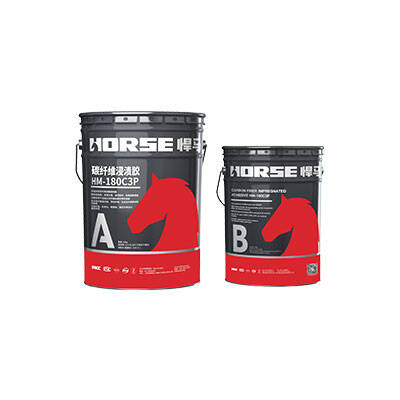
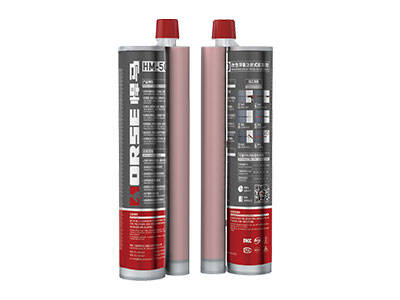
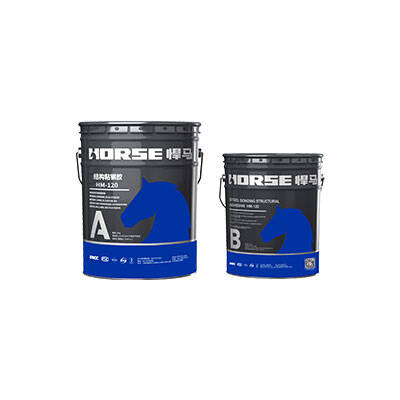
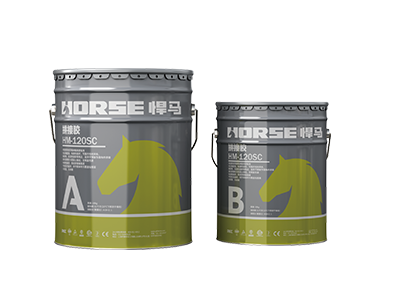
Keo liên kết tấm thép kết cấu HM-120 là sản phẩm epoxy hai thành phần, có độ bám dính mạnh, đóng rắn ở nhiệt độ phòng. Có đặc tính chống lão hóa, chống va đập tuyệt vời trong khả năng tự bám dính và bám dính lẫn nhau của thép và bê tông, với tốc độ cắt cao

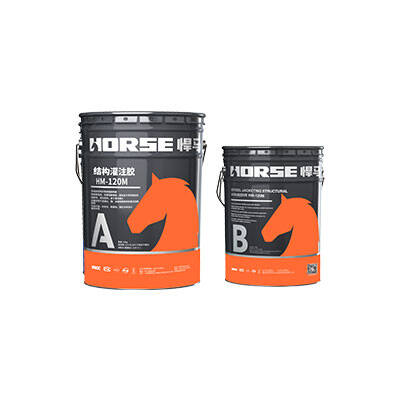
Keo phủ thép HM-120M là keo epoxy cải tiến loại mới, chuyên dùng để hỗ trợ cốt thép liên kết bằng keo. Có thể liên kết với nhiều loại vật liệu nền và kim loại, với các ưu điểm như cường độ liên kết cao, độ bền và độ bền cắt tuyệt vời, khả năng chống axit-k
