


 Ngôn ngữ: Vietnamese










Giải pháp
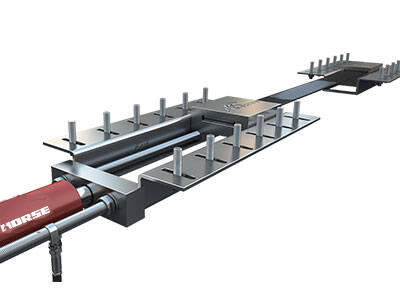
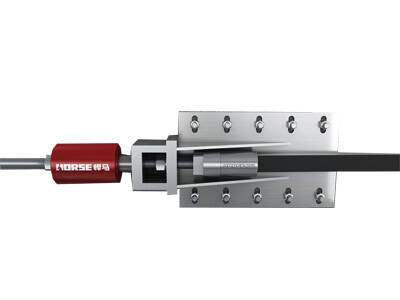
Horse Construction cung cấp đầy đủ các loại vật liệu gia cố kết cấu với hỗ trợ kỹ thuật, hỗ trợ tài liệu, hỗ trợ sản phẩm, hỗ trợ phần mềm, hỗ trợ dự án.
Sợi carbon, thép được tăng cường, vá bê tông và bọc bê tông

Sợi carbon là một chất tương đối mới Tăng cường cấu trúcSo với những phương pháp truyền thống như gia cố thép, băng bê tông và bọc bê tông. Đây là một số khác biệt then chốt và lợi thế của sợi cacbon so với những phương pháp tăng cường cấu trúc khác:
Tăng cường carbonber:
Ưu thế: tỷ lệ sức mạnh đối trọng cao, khả năng ăn mòn, rối loạn tối thiểu trong quá trình cài đặt, có thể được thiết kế để hòa trộn với cấu trúc hiện tại, có thể được sử dụng trong các khu vực có không gian hạn chế hoặc có khả năng truy cập nhanh, thời gian cài đặt nhanh.
Lợi thế: Chi phí cao hơn phương pháp sửa chữa truyền thống, có lẽ không thích hợp cho mọi ứng dụng sửa chữa
Tăng cường thép:
Lợi thế: Chứng minh hồ sơ theo dõi trong việc tăng cường bê tông, phổ biến, hiệu quả chi phí
Lợi thế: Có khả năng ăn mòn, cần phải chuẩn bị bề mặt, tăng trọng lượng cho cấu trúc, có thể khó cài đặt trong những khoảng không chật hẹp, có thể cần thêm sự hỗ trợ về cấu trúc
Đắp vá đặc:
Lợi thế: Có thể dùng cho nhiều ứng dụng sửa chữa, tương đối rẻ, dễ áp dụng, có thể sơn hoặc phủ để khớp cấu trúc đã có.
Lợi thế: Có thể không cung cấp cùng mức độ sức mạnh và tính bền vững như các phương pháp củng cố, có thể dễ vỡ hoặc gây ô nhiễm theo thời gian, có thể là tốn thời gian để cài đặt để sửa chữa lớn hơn.
Phủ đặc biệt:
Lợi thế: Có thể dùng cho nhiều ứng dụng sửa chữa, tương đối rẻ, dễ áp dụng, có thể sơn hoặc phủ để khớp cấu trúc đã có.
Lợi thế: Có thể không cung cấp cùng mức độ sức mạnh và tính bền vững như phương pháp củng cố, có thể dễ vỡ hoặc tìm kiếm theo thời gian, có thể là tốn thời gian để cài đặt để sửa chữa lớn hơn, có thể cần thêm hỗ trợ cấu trúc
Nói chung, sợi cacbon có lợi nhất trong những trường hợp mà các phương pháp truyền thống không thực tế hay có thể xảy ra, chẳng hạn như ở những vùng có không gian hạn chế hoặc có thể tiếp cận. Sợi carbon cũng là một sự lựa chọn tốt cho những ứng dụng mà trọng lượng, sức đề kháng ăn mòn, hoặc ngoại hình là những vấn đề chính.
Cuối cùng, việc lựa chọn phương pháp củng cố cấu trúc sẽ tùy thuộc vào nhiều yếu tố khác nhau, kể cả độ nghiêm trọng của thiệt hại, những đòi hỏi của công trình và sự sống mà người ta mong đợi của việc sửa chữa. Một cố vấn có khả năng có thể giúp xác định phương pháp tốt nhất cho một ứng dụng cụ thể.
Bạn có thể tìm thấy mọi thứ bạn cần ở đây. Hãy tin tưởng và thử nghiệm các sản phẩm này, bạn sẽ thấy sự khác biệt lớn sau đó.

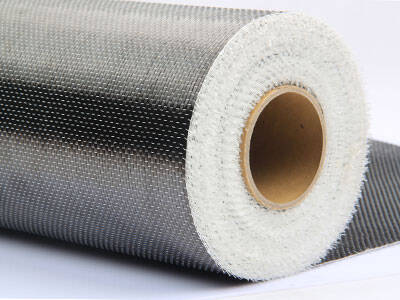
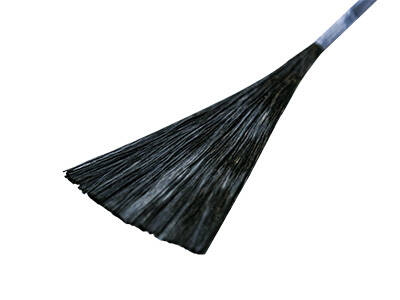
Lớp bọc sợi carbon đơn hướng, cường độ cao được bão hòa trước để tạo thành lớp bọc polyme gia cường sợi carbon (CFRP) dùng để gia cố các cấu kiện bê tông kết cấu.

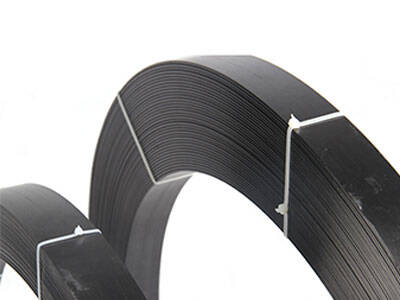
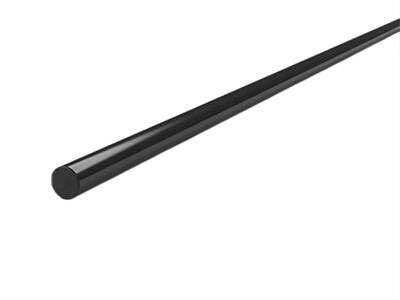
Dải / tấm polyme gia cường sợi carbon (CFRP) cường độ cao để gia cố kết cấu và sửa chữa bê tông

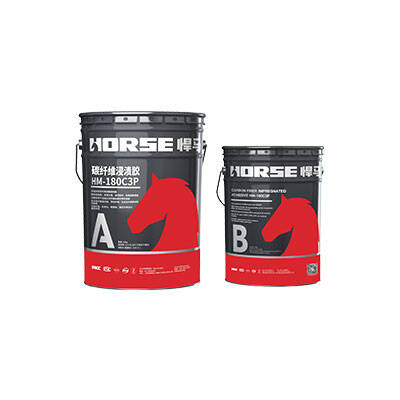
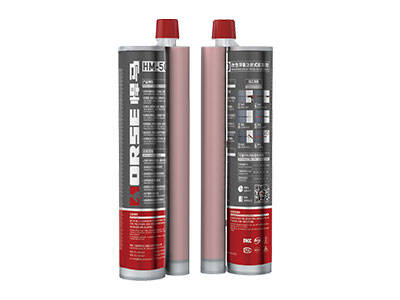
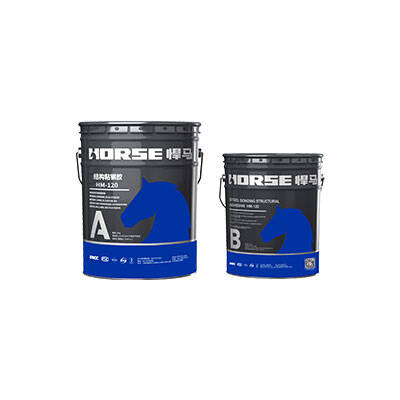
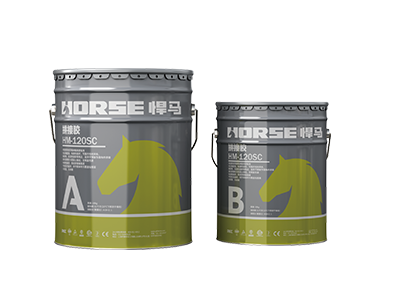
Keo liên kết tấm thép kết cấu HM-120 là sản phẩm epoxy hai thành phần, có độ bám dính mạnh, đóng rắn ở nhiệt độ phòng. Có đặc tính chống lão hóa, chống va đập tuyệt vời trong khả năng tự bám dính và bám dính lẫn nhau của thép và bê tông, với tốc độ cắt cao
