


 Ngôn ngữ: Vietnamese











Giải pháp
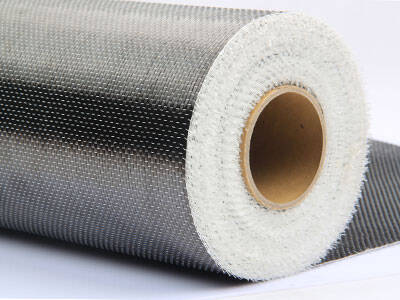
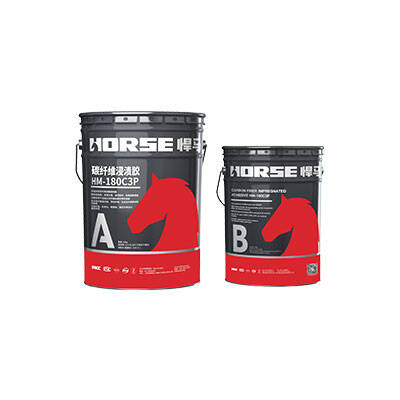
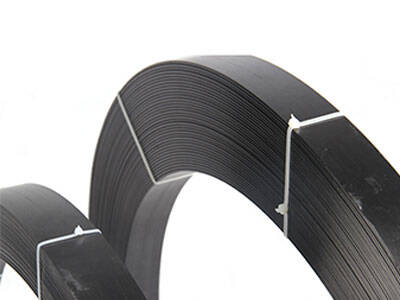
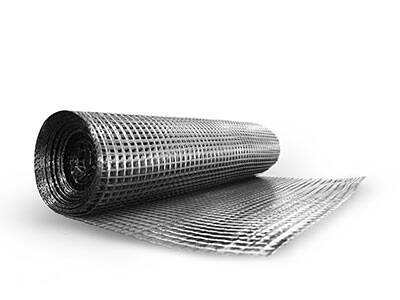
Horse Construction cung cấp đầy đủ các loại vật liệu gia cố kết cấu với hỗ trợ kỹ thuật, hỗ trợ tài liệu, hỗ trợ sản phẩm, hỗ trợ phần mềm, hỗ trợ dự án.
Kiểu & tóm tắt các vết nứt trong RC Beams

Nhiều loại vết nứt khác nhau có thể xảy ra ở các chùm tia RC do sự uốn nắn, kéo cắt tóc, uốn nắn, làm lệch hướng và co lại. Chúng ta có thể giảm bớt những vết nứt này bằng cách cung cấp thêm sức mạnh, dùng hỗn hợp bê tông thích hợp và bảo đảm sẽ chữa lành bê tông một cách thích hợp. Việc thiết kế chùm tia cứng hơn hoặc giảm tải cũng có thể giúp giảm sự xuất hiện của vết lệch.
Những vết nứt trên màng phổi xảy ra tại các chùm tia RC do thời điểm uốn cong áp dụng cho các chùm tia. Những vết nứt này thường được tạo ra theo đường chéo trong tự nhiên và xảy ra gần giữa dải tia. Độ rộng và chiều sâu của các vết nứt phụ thuộc vào số lượng tăng cường được cung cấp trong các chùm tia và độ lớn của thời điểm cong. Để giảm bớt sự xuất hiện của các vết nứt uốn lượn, cần phải có sự củng cố gần đáy chùm tia.

Những vết nứt to lớn: những vết nứt lớn xảy ra tại các chùm tia RC do các lực tác động lên chùm tia. Những vết nứt này thường có đường chéo trong tự nhiên và xảy ra gần cuối chùm tia. Độ rộng và chiều sâu của vết nứt phụ thuộc vào lượng sự tăng cường được cung cấp từ các chùm tia và độ lớn của thời điểm khó khăn. Để giảm bớt những vết nứt nghiêm trọng, cần phải có sự củng cố gần cuối cây cầu.

Những vết nứt nhỏ lại: Những vết nứt nhỏ lại xảy ra tại các chùm tia RC do sự co lại của bê tông khi nó chữa lành và khô hạn. Những vết nứt này thường nhỏ và xảy ra ngẫu nhiên xuyên qua các chùm tia. Độ rộng và chiều sâu của vết nứt phụ thuộc vào loại hỗn hợp bê tông được dùng và lượng nước dùng trong hỗn hợp. Để giảm sự xuất hiện của các vết nứt co lại, tỷ lệ tiết nước thấp nên được sử dụng trong hỗn hợp, và bê tông cần được chữa trị đúng cách.

Những vết nứt cắt: Những vết nứt của mái vòm xảy ra tại các chùm tia RC do lực kéo áp dụng cho chùm tia. Những vết nứt này thường nằm dọc trong tự nhiên và xảy ra gần sự hỗ trợ của chùm tia. Độ rộng và chiều sâu của vết nứt phụ thuộc vào lượng sự tăng cường được cung cấp từ các chùm và độ lớn của lực kéo. Để giảm bớt sự xuất hiện của các vết nứt do kéo cắt, cần phải tăng cường dưới hình thức bàn đạp hay những cái gì gắn lại.
Bạn có thể tìm thấy mọi thứ bạn cần ở đây. Hãy tin tưởng và thử nghiệm các sản phẩm này, bạn sẽ thấy sự khác biệt lớn sau đó.

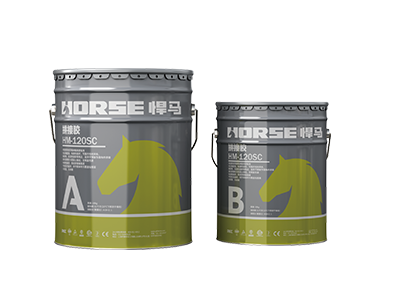
Keo dán bịt vết nứt HM-9 là keo dán nhựa epoxy biến tính hai thành phần, thường được sử dụng với keo dán nứt đổ để bịt vết nứt và cố định vòi phun.

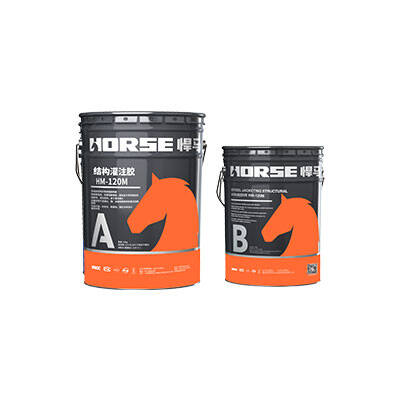
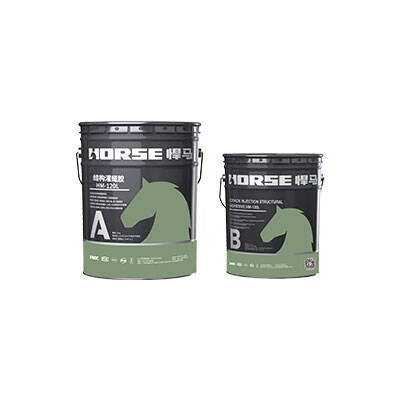
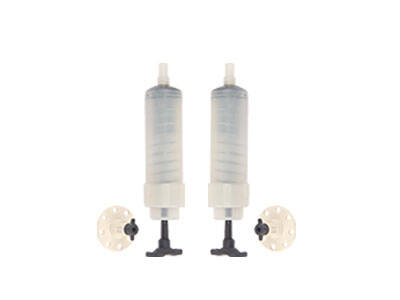
Keo phun vết nứt bê tông Horse HM-120L là loại keo epoxy dùng để sửa chữa vết nứt bê tông bằng cách tiêm. Keo epoxy có tính thẩm thấu cao. Tiêm vết nứt ở áp suất thấp trong bê tông kết cấu.

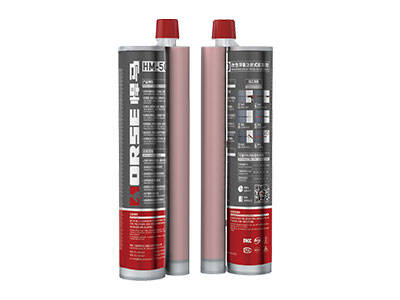
Epoxy neo có thể tiêm HM-500 của Horse là vật liệu neo hiệu suất cao, gốc nhựa epoxy, có tính lưu biến, 2 thành phần dành cho thanh và cốt thép, thích hợp sử dụng trong bê tông khô và ẩm.
