


 Ngôn ngữ: Vietnamese











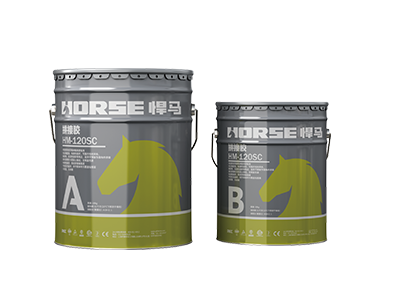
Giải pháp
Horse Construction cung cấp đầy đủ các loại vật liệu gia cố kết cấu với hỗ trợ kỹ thuật, hỗ trợ tài liệu, hỗ trợ sản phẩm, hỗ trợ phần mềm, hỗ trợ dự án.
Tại sao sự khích lệ dựa trên Kinh Thánh lại quan trọng đến thế

Tăng cường cấu trúclà quan trọng vì một số lý do:
Sự an toàn: Cần phải có sự tăng cường về cấu trúc cấu trúc cơ bản để bảo đảm một tòa nhà hoặc cấu trúc được an toàn và ổn định.Qua thời gian, các tòa nhà có thể bị suy thoái do những yếu tố như lão hóa, thời tiết và môi trường. Tăng cường các biện pháp như tăng cường hoặc cải tạo thêm có thể giúp khôi phục lại một tòa nhà ' sự toàn vẹn về cấu trúc và ngăn ngừa những sự sụp đổ hoặc thất bại tiềm tàng.
Khả năng kéo dài: Cấu trúc cấu trúc cấu trúc cũng có thể cải thiện tính bền vững và tuổi thọ của một tòa nhà hoặc cấu trúc. Điều này đặc biệt quan trọng trong những vùng có thể xảy ra thiên tai như động đất, bão tố hoặc lũ lụt. Bằng cách củng cố một tòa nhà và#39; các thành phần cấu trúc, nó có thể chịu đựng tốt hơn các lực thiên nhiên và giảm nguy cơ bị hư hại hoặc sụp đổ.
Chức năng: Kiềm chế cấu trúc cũng có thể giúp cải thiện một tòa nhà ' chức năng và năng suất. Ví dụ, các biện pháp tăng cường có thể được sử dụng để tăng cường một tòa nhà và#39; khả năng chịu được tải trọng, nâng cao khả năng chống địa chấn, hoặc tăng cường khả năng chống lửa. Điều này có thể giúp kéo dài đời sống hữu ích của một tòa nhà và bảo đảm nó tiếp tục đáp ứng nhu cầu của người cư trú.
Nâng cấp cho các vật chứa mới: Với thời gian, cách sử dụng và yêu cầu của một cấu trúc có thể thay đổi. Thí dụ, một tòa nhà có thể cần phải xây thêm tầng hoặc cầu có thể cần phải xử lý việc giao thông nặng hơn. Tăng cường cấu trúc cho phép các cấu trúc hiện có thích nghi với các vật chứa và yêu cầu mới mà không cần thiết phải tái tạo hoàn chỉnh. Điều này có thể có hiệu quả chi phí và ít gây rối hơn việc xây dựng một cấu trúc mới từ con số không.
Bảo tồn di sản văn hóa: Nhiều tòa nhà và kiến trúc lịch sử có giá trị văn hóa, lịch sử và kiến trúc đáng kể. Người ta thường dùng sự tăng cường cấu trúc kiến trúc để bảo tồn và bảo vệ các cấu trúc này, bảo đảm rằng các thế hệ tương lai có thể vui hưởng chúng. Những kỹ thuật củng cố cho phép khôi phục và bảo tồn di sản trong khi duy trì thẩm mỹ và tính cách ban đầu của chúng.
Hiệu quả chi phí: các biện pháp tăng cường có thể là một giải pháp hiệu quả chi phí so với việc thay thế quy mô toàn diện hoặc tái tạo. Bằng cách củng cố và củng cố những yếu tố cụ thể hoặc khu vực của một công trình, thường có thể kéo dài đời sống phụng sự và tránh những chi phí liên quan đến việc thay thế hoàn toàn. Ngoài ra, sự tiếp sức có thể được thực hiện với sự ảnh hưởng tối thiểu đến các hoạt động liên tục, giảm thời gian và mất mát về kinh tế.
Tóm lại, bằng cách cải thiện sức mạnh và sự toàn vẹn của các cấu trúc hiện tại, chúng ta có thể nâng cao hiệu suất của chúng, kéo dài tuổi thọ của chúng, và đảm bảo năng lực của chúng vẫn tiếp tục.
Bạn có thể tìm thấy mọi thứ bạn cần ở đây. Hãy tin tưởng và thử nghiệm các sản phẩm này, bạn sẽ thấy sự khác biệt lớn sau đó.

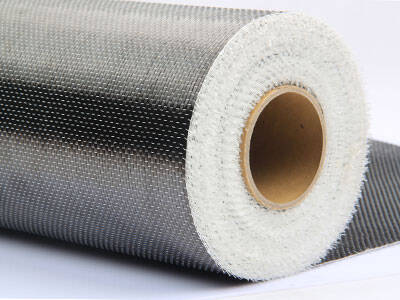
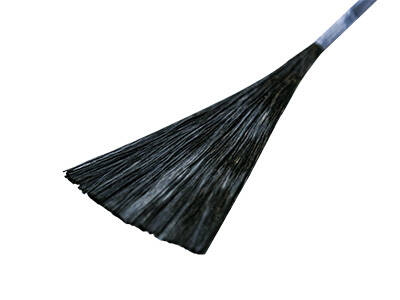
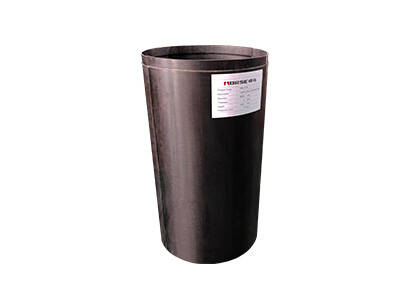
Lớp bọc sợi carbon đơn hướng, cường độ cao được bão hòa trước để tạo thành lớp bọc polyme gia cường sợi carbon (CFRP) dùng để gia cố các cấu kiện bê tông kết cấu.

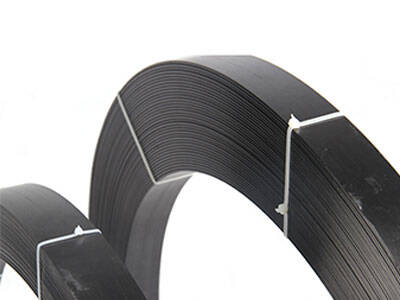
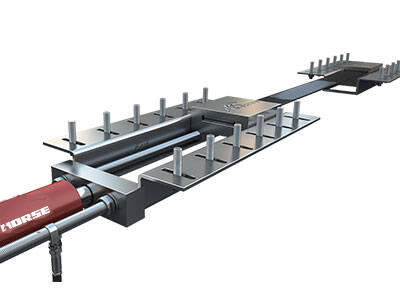
Tấm polyme gia cường sợi carbon (CFRP) ứng suất trước dùng để gia cố sàn, dầm nhằm tăng độ cứng, giảm biến dạng và độ võng của các cấu kiện, giảm vết nứt, tránh và ngăn ngừa nứt.

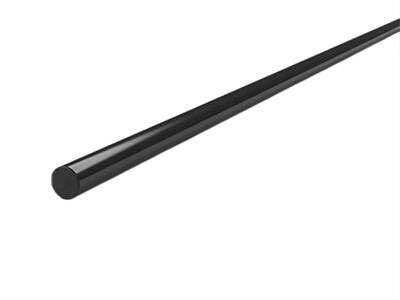
Tấm polyme gia cường sợi carbon (CFRP) cường độ cao để gia cố kết cấu và sửa chữa bê tông
