


 Ngôn ngữ: Vietnamese











Giải pháp
Horse Construction cung cấp đầy đủ các loại vật liệu gia cố kết cấu với hỗ trợ kỹ thuật, hỗ trợ tài liệu, hỗ trợ sản phẩm, hỗ trợ phần mềm, hỗ trợ dự án.
Thêm gánh nặng vào sàn nhà là điều dễ chấp nhận, nhưng không phải là không có sự tăng cường về cấu trúc!

Một gánh nặng là gì?
Trọng tải ám chỉ lực bên ngoài và các yếu tố khác gây ra các lực nội lực và biến dạng trong một cấu trúc hoặc thành phần.Theo truyền thống, từ này ám chỉ nhiều hành động trực tiếp tác động trên cấu trúc kỹ thuật hoặc các thành phần để tạo ra hiệu ứng.
Những vật nặng thông thường bao gồm: cấu trúc chết cân, sàn nhà chất lên mái nhà, chất lên mái nhà, chất lên mái nhà, tải lên xe, tải cần cẩu, thiết bị nạp năng động, và những vật dụng tự nhiên như gió, tuyết, băng và sóng biển.
Hôm nay là ngày' chủ đề chính là những vật nặng thường thấy trong cuộc sống hàng ngày. Trọng tải sàn nhà được chia thành tầng chết tải và sàn nhà tải trực tiếp, và đơn vị tải trực tiếp là KN/m2
Theo giá trị tiêu chuẩn của tải trực tiếp, nó được chia ra gần như thành bảy cấp sau theo điều kiện nhân viên và thiết bị:
(1) 2.0kN/m 2: Ít người hoạt động;
(2) 2.5kN/m 2: Có nhiều người và thiết bị hoạt động sẵn có;
(3) 3. Có rất nhiều người hoạt động và thiết bị nặng;
(4) 3.5kN/m 2: Những người hoạt động rất tập trung, đôi khi đông đúc hoặc với thiết bị nặng;
( 5) 4. Hoạt động khá là căng thẳng.
xét nghiệm cho thấy là 5.0kN/m2 kho lưu trữ các mục;
( 7) 6-7kN/m 2: Được trang bị với các thiết bị cơ khí lớn.
Trong khi các tòa nhà được sử dụng bình thường, vì các chức năng tương đối cố định của chúng, hầu như sẽ không bị quá tải, nhưng cũng có trường hợp dùng không đúng cách, thêm sàn nhà, sửa chữa và thay đổi chức năng sử dụng. Một khi gánh nặng gia tăng, các thành phần phải được gia cố, nếu không thì hậu quả sẽ không thể tưởng tượng nổi.
Những phương pháp thường dùng để nạp đầy đạn trên sàn nhà bao gồm dán những tấm thép để tăng cường và dán vải cacbon để tăng cường.
Dán đĩa thép để tăng cường
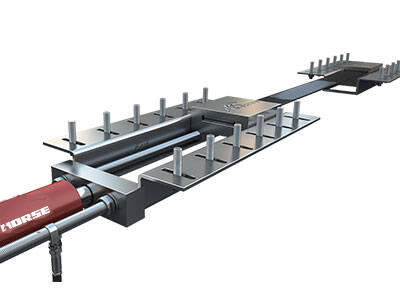
Phương pháp dán các tấm thép để tăng cường là xây dựng nhanh chóng, không có hoạt động ướt hoặc chỉ một lượng nhỏ các hoạt động ướt như thạch cao tại nơi làm việc. Nó có ít ảnh hưởng đến sản xuất và cuộc sống hàng ngày, và sau khi củng cố, nó không ảnh hưởng gì đến sự xuất hiện và sự công khai ban đầu của cấu trúc ban đầu. Tuy nhiên, hiệu ứng củng cố phụ thuộc phần lớn vào quá trình kết nối và mức độ hoạt động.

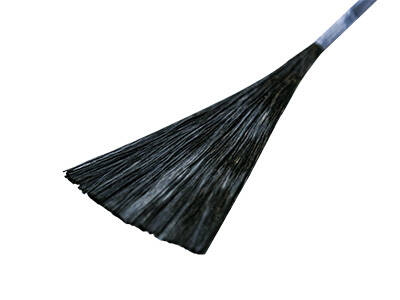
Phương pháp củng cố sợi cacbon không những có lợi thế của việc dán những tấm thép, mà còn có lợi thế của việc chống ăn mòn, chống ẩm, hầu như không tăng trọng lượng cấu trúc, tính bền bỉ và chi phí bảo trì thấp. Tuy nhiên, nó đòi hỏi cách điều trị phòng cháy đặc biệt và thích hợp cho các thành phần cấu trúc bê tông và cấu trúc chung.
Bạn có thể tìm thấy mọi thứ bạn cần ở đây. Hãy tin tưởng và thử nghiệm các sản phẩm này, bạn sẽ thấy sự khác biệt lớn sau đó.

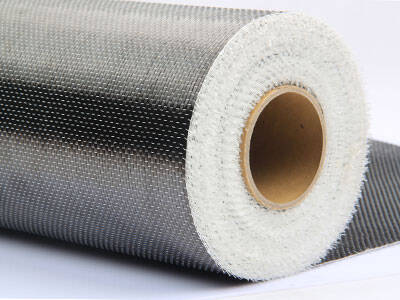
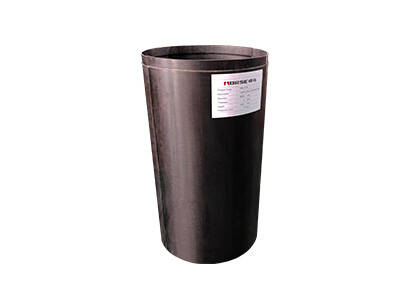
Lớp bọc sợi carbon đơn hướng, cường độ cao được bão hòa trước để tạo thành lớp bọc polyme gia cường sợi carbon (CFRP) dùng để gia cố các cấu kiện bê tông kết cấu.

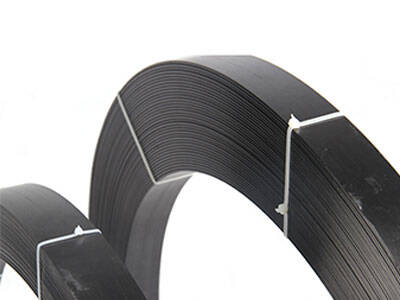
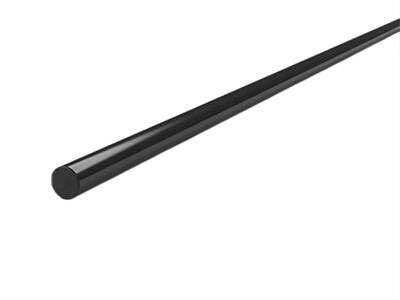
Dải / tấm polyme gia cường sợi carbon (CFRP) cường độ cao để gia cố kết cấu và sửa chữa bê tông

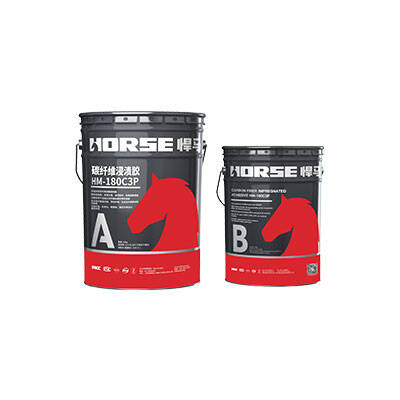
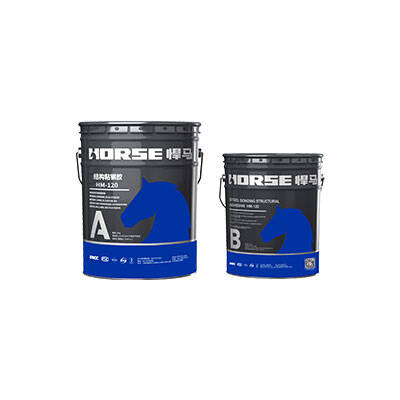
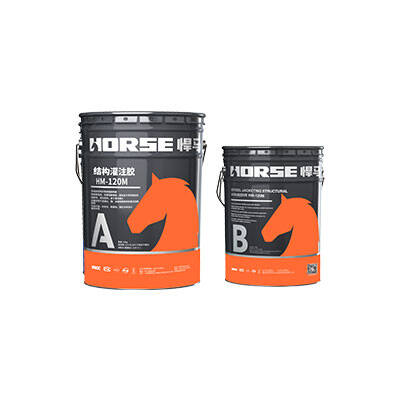
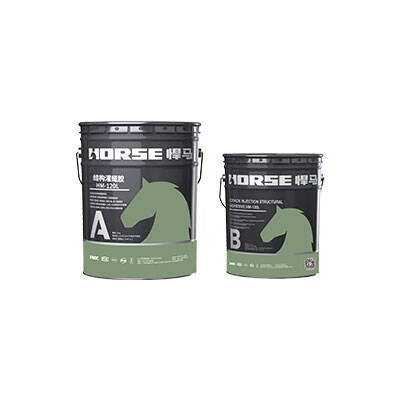
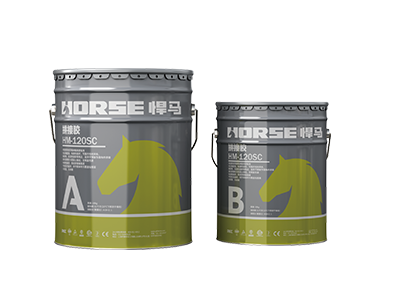
Keo liên kết tấm thép kết cấu HM-120 là sản phẩm epoxy hai thành phần, có độ bám dính mạnh, đóng rắn ở nhiệt độ phòng. Có đặc tính chống lão hóa, chống va đập tuyệt vời trong khả năng tự bám dính và bám dính lẫn nhau của thép và bê tông, với tốc độ cắt cao
