


 Ngôn ngữ: Vietnamese











Giải pháp
Horse Construction cung cấp đầy đủ các loại vật liệu gia cố kết cấu với hỗ trợ kỹ thuật, hỗ trợ tài liệu, hỗ trợ sản phẩm, hỗ trợ phần mềm, hỗ trợ dự án.
Tại sao các cột bị nứt? Làm thế nào để tăng cường và sửa chữa vết nứt trong các cột phân?

Lý do cho việc nứt các cột
1. Trọng tải quá mức
Gánh nặng của cột vượt quá khả năng được thiết kế, có thể dẫn đến việc nứt ra.
2. Giải quyết nền tảng
Sự định cư không có nền tảng có thể gây thêm căng thẳng trên các cột, dẫn đến việc nứt ra.
3. Chất lượng vấn đề với bê tông
Sự pha trộn không thích hợp, đổ không đầy đủ và việc chữa bê tông kém có thể dẫn đến việc làm nứt các cột trụ.
4. Sự kết dính của thanh thép
Các thanh sắt có thể làm cho âm lượng của chúng giãn nở, dẫn đến vỡ bê tông.
Năm. Thay đổi nhiệt độ
Nhiệt độ thay đổi mạnh mẽ có thể gây ra sự giãn nở nhiệt độ và co lại của bê tông cột, dẫn đến việc nứt ra.
Sáu. Động đất hoặc các lực bên ngoài khác
Động đất, gió và những lực bên ngoài khác có thể gây thiệt hại cho các cột, dẫn đến vỡ vụn.
Các nguyên nhân thông thường của việc nứt cột được đề cập ở trên đã được xác định bởi đơn vị kiểm tra an toàn xây dựng để xác định lý do tại sao việc nứt cột trong nhà máy, mức độ thiệt hại và nếu cần thiết để tăng cường.
Theo đánh giá mức độ nứt trong cột, một hay nhiều phương pháp củng cố sau có thể được dùng để tăng cường phương pháp điều trị:

Phương pháp tăng cường phần mở rộng
nguyên tắc
Bằng cách thêm các thanh thép chịu trách nhiệm và bê tông bên ngoài phần thành phần ban đầu, các thanh thép và bê tông mới chịu trách nhiệm và bê tông làm việc với nhau để tăng kích thước cắt chéo của thành phần và cải thiện khả năng chịu đựng tải của nó.
Phạm vi chấp nhận được
Có thể thích hợp để củng cố các thành viên cong và nén bê tông được tăng cường
Lợi thế và bất lợi
Phương pháp này có hiệu quả củng cố tốt, nền kinh tế, và sự dễ sử dụng rộng rãi. Nhưng công trình xây dựng thì phức tạp, công việc ngập nước thì lớn, và thời gian xây dựng thì dài, nó sẽ có ảnh hưởng nhất định đến việc giải phóng và thẩm mỹ của ngôi nhà.

Phương pháp gia cố áo thép
nguyên tắc
Bằng cách sử dụng xi măng bằng nhựa cao su hoặc thuốc bôi trơn nhựa dẻo để dán các góc của bốn góc thành phần, trọng lượng thành phần ban đầu được chia sẻ bởi độ thép góc, và độ kiềm chế góc thép ở phía sau bê tông cốt lõi, cải thiện khả năng chịu tải của thành phần.
Phạm vi chấp nhận được
Thích hợp cho việc củng cố các cột bê tông và xà được củng cố cần sự cải thiện đáng kể về khả năng sinh sản và sức chịu đựng địa chấn
Lợi thế và bất lợi
Phương pháp này là đáng tin cậy về lực lượng, dễ dàng xây dựng, ngắn trong khoảng thời gian, và có ảnh hưởng tối thiểu đến không gian sử dụng. Nhưng mức tiêu thụ thép tương đối cao, và các bộ phận thép phơi nhiễm nên được xử lý hiệu quả với các biện pháp chống cháy và chống cháy

Được kết nối bên ngoài Tăng cường sợi cacbon phương pháp
nguyên tắc
Vật liệu tổng hợp Fiber có sức bền tốt. Bằng cách sử dụng tính chất này, chúng có thể được dán lên bề mặt của các thành phần bê tông được gia cố để làm việc cùng với bê tông và cải thiện khả năng chịu được trọng lượng của các thành phần.
Phạm vi chấp nhận được
Có thể thích hợp để củng cố các thành viên bê tông được gia cố bị bẻ cong, nén chặt lập dị và căng thẳng; không áp dụng cho các thành phần bê tông, kể cả những thành phần được gia cố bằng các thanh thép dài có tỷ lệ tăng cường ít hơn 0. 2% ở một bên.
Lợi thế và bất lợi
Phương pháp này sử dụng vật liệu nhẹ và mạnh, rất dễ để xây dựng, và có rất nhiều ứng dụng. Đối với môi trường với nhiệt độ cao, độ ẩm cao, phương tiện truyền thông độc hại, hệ thống phòng cháy, và điều kiện ngoài trời trực tiếp phơi nắng, nên dùng các chất keo đặc biệt để bảo vệ đặc biệt
Bạn có thể tìm thấy mọi thứ bạn cần ở đây. Hãy tin tưởng và thử nghiệm các sản phẩm này, bạn sẽ thấy sự khác biệt lớn sau đó.

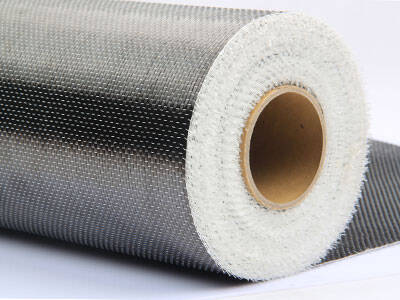
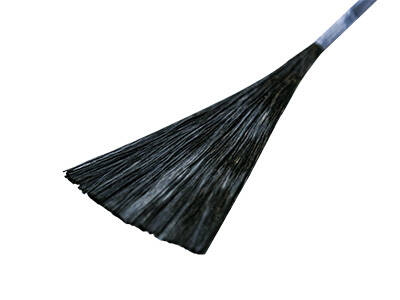
Lớp bọc sợi carbon đơn hướng, cường độ cao được bão hòa trước để tạo thành lớp bọc polyme gia cường sợi carbon (CFRP) dùng để gia cố các cấu kiện bê tông kết cấu.

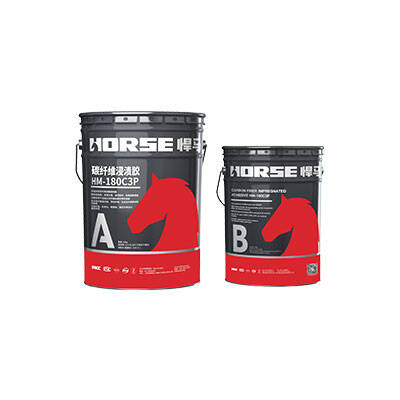
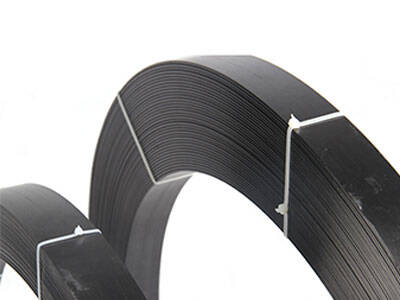
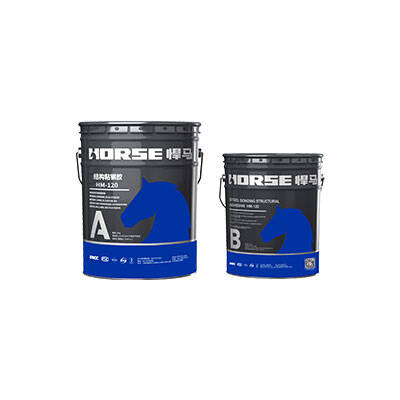
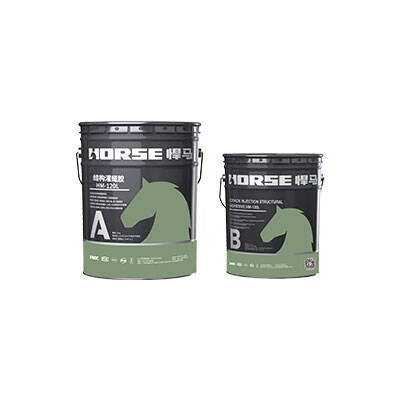
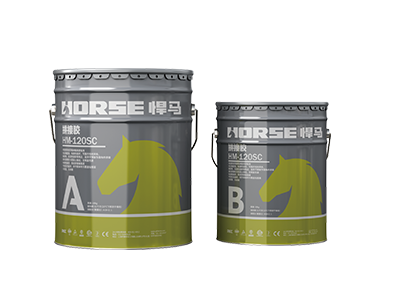
Keo liên kết tấm thép kết cấu HM-120 là sản phẩm epoxy hai thành phần, có độ bám dính mạnh, đóng rắn ở nhiệt độ phòng. Có đặc tính chống lão hóa, chống va đập tuyệt vời trong khả năng tự bám dính và bám dính lẫn nhau của thép và bê tông, với tốc độ cắt cao

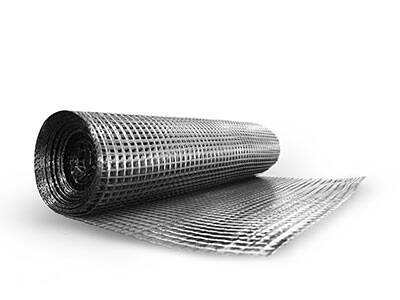
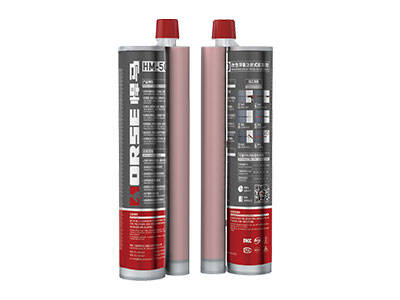
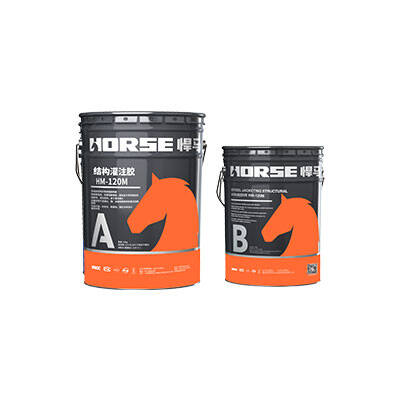
Keo phủ thép HM-120M là keo epoxy cải tiến loại mới, chuyên dùng để hỗ trợ cốt thép liên kết bằng keo. Có thể liên kết với nhiều loại vật liệu nền và kim loại, với các ưu điểm như cường độ liên kết cao, độ bền và độ bền cắt tuyệt vời, khả năng chống axit-k
