


 Ngôn ngữ: Vietnamese











Giải pháp
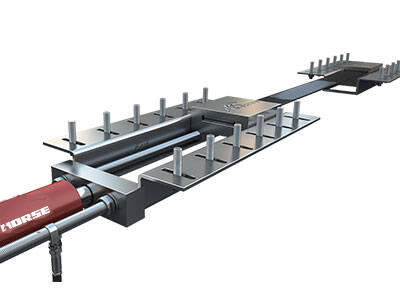
Horse Construction cung cấp đầy đủ các loại vật liệu gia cố kết cấu với hỗ trợ kỹ thuật, hỗ trợ tài liệu, hỗ trợ sản phẩm, hỗ trợ phần mềm, hỗ trợ dự án.
Làm vững CFC

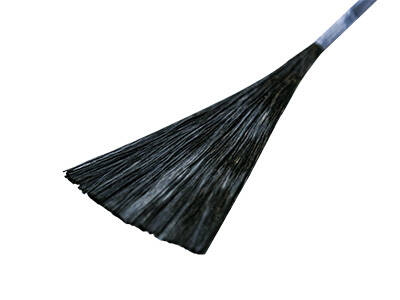
Các thành viên có cấu trúc được củng cố với sự gắn kết Sợi sợi vật liệu tổng hợplà một kỹ thuật được sử dụng để nâng cao khả năng chịu được trọng lượng và hiệu quả của các cấu trúc hiện tại. Các chất sợi kết dính, như sợi cacbon gia cố chất lỏng (CFRP) hoặc sợi thủy tinh gia cố chất lỏng (GFRP), là vật liệu nhẹ và chắc chắn có thể được áp dụng để củng cố các yếu tố cấu trúc khác nhau, bao gồm xà, cột, đá và tường.
Quá trình củng cố các thành viên cấu trúc với sợi kết hợp thường bao hàm những bước sau:
Sự chuẩn bị bề mặt: Bề mặt của bộ phận cấu trúc được tăng cường bằng cách loại bỏ bất cứ vật liệu lỏng lẻo hoặc suy thoái nào, làm sạch và làm cho bề mặt bị gồ ghề. Bước này bảo đảm sự gắn kết thích hợp giữa vật liệu tổng hợp và cấu trúc hiện có.
Liên kết chặt chẽ với nhau: Một chất kết dính thích hợp được áp dụng cho bề mặt đã được chuẩn bị sẵn sàng. Chất dính hoạt động như một chất kết nối giữa cấu trúc tồn tại và vật liệu tổng hợp.
Cài đặt vật liệu hợp nhất: Những vật liệu tổng hợp như tờ CFRP hoặc tờ GFRP hoặc các dải, được đặt ở vị trí gắn kết trong khi nó vẫn còn nguyên vẹn. Các vật liệu tổng hợp được liên kết cẩn thận với các thành viên cấu trúc' trục và áp dụng với đủ áp lực để đảm bảo sự liên lạc tốt và sự gắn kết.
Đường cong và kết nối: Chất kết dính được cho phép chữa trị, tạo nên một mối liên kết chặt chẽ giữa các thành viên cấu trúc và vật liệu tổng hợp. Quá trình chữa bệnh này có thể bao gồm việc áp dụng nhiệt, áp lực hoặc sự kết hợp của cả hai, tùy thuộc vào chất kết dính và vật liệu tổng hợp.
Hợp nhất cấu trúc: một khi kết dính đã hoàn toàn được chữa trị, thành phần cấu trúc được củng cố trở thành một phần không thể thiếu của hệ thống tổng hợp. Nó được lợi ích từ sự mạnh mẽ và cứng rắn được cung cấp từ các vật liệu tổng hợp kết hợp.

Việc sử dụng những vật liệu tổng hợp kết hợp để củng cố cấu trúc sẽ mang lại nhiều lợi thế, kể cả:
Khả năng tải trọng tăng lên: việc thêm chất sợi kết hợp làm tăng cường cấu trúc thành viên' sức mạnh, cho phép nó có thể mang những vật nặng hơn và chống lại sự biến dạng.
Giải pháp nhẹ cân: Hợp chất Fiber nhẹ so với những phương pháp củng cố truyền thống như đĩa thép hoặc áo khoác bê tông. Điều này làm giảm bớt lượng người chết trên cấu trúc.
Thời gian kéo dài và Corrosion-Resistant: Các hợp chất Fiber rất chống lại sự ăn mòn, làm cho chúng phù hợp với các ứng dụng trong nhà và ngoài cửa.
Sự suy giảm tối thiểu: quá trình tăng cường tương đối không ảnh hưởng, gây ra sự phá hoại tối thiểu cho người dân hoặc hoạt động trong cấu trúc.
Thiết kế Flexity: Các hợp chất Fiber có thể được điều chỉnh theo những yêu cầu cụ thể, cho phép các giải pháp tùy chỉnh dựa trên cấu trúc thành viên' nhu cầu.
Bạn có thể tìm thấy mọi thứ bạn cần ở đây. Hãy tin tưởng và thử nghiệm các sản phẩm này, bạn sẽ thấy sự khác biệt lớn sau đó.

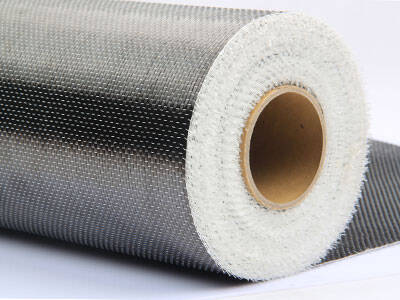
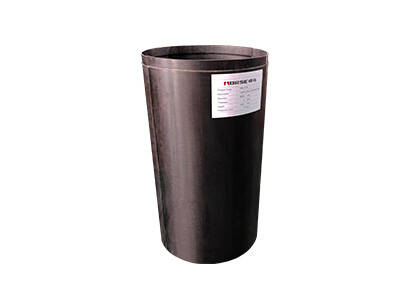
Lớp bọc sợi carbon đơn hướng, cường độ cao được bão hòa trước để tạo thành lớp bọc polyme gia cường sợi carbon (CFRP) dùng để gia cố các cấu kiện bê tông kết cấu.

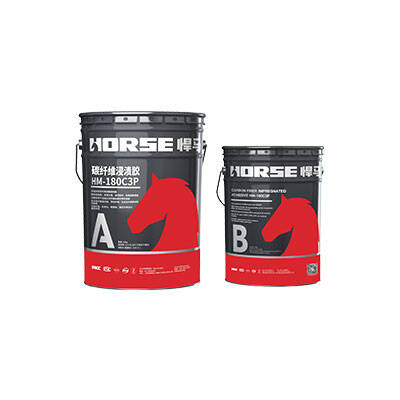
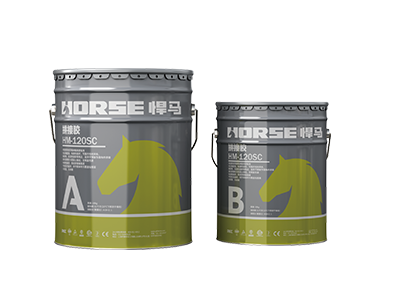
Keo dán sợi carbon tẩm tốt để ứng dụng polyme gia cường sợi carbon (CFRP) để gia cố kết cấu

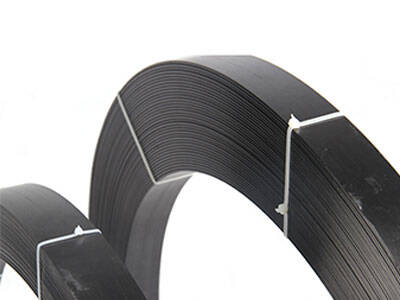
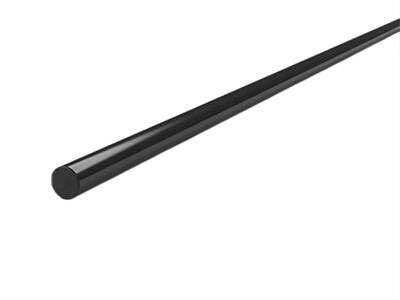
Dải / tấm polyme gia cường sợi carbon (CFRP) cường độ cao để gia cố kết cấu và sửa chữa bê tông
