


 Ngôn ngữ: Vietnamese











Giải pháp
Horse Construction cung cấp đầy đủ các loại vật liệu gia cố kết cấu với hỗ trợ kỹ thuật, hỗ trợ tài liệu, hỗ trợ sản phẩm, hỗ trợ phần mềm, hỗ trợ dự án.
Lợi ích về độ bền thu được khi sử dụng CFRP là bao nhiêu?

Polyme gia cố bằng sợi carbon (FRP)Có thể tăng cường sức mạnh đáng kể, nhưng số lượng chính xác thay đổi tùy thuộc vào một số yếu tố:
1. Điều kiện ứng dụng và tải
2. định hướng sợi và phần khối lượng
3. Chất lượng liên kết giữa cfrp và chất nền
1. Điều kiện ứng dụng và tải
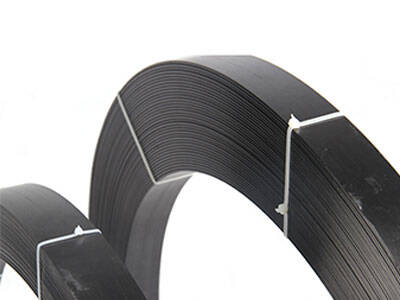
Trong các ứng dụng kết cấu như trong việc gia cố dầm bê tông, cfrp có thể tăng cường độ uốn của dầm gấp nhiều lần độ bền ban đầu của nó. Ví dụ, trong một chùm bê tông được hỗ trợ đơn giản, việc bổ sung laminates cfrp ở mặt kéo có thể tăng cường khả năng chịu tải. Mức Tăng sức mạnh có thể dao động từ 30% đến 200% hoặc nhiều hơn, tùy thuộc vào số lượng và cấu hình của cfrp được sử dụng.
Khi được sử dụng để tăng cường các cột dưới tải trọng nén trục, cfrp có thể cải thiện khả năng chống khóa và cường độ nén. Việc tăng cường độ nén có thể nằm trong khoảng 10 - 50% tùy thuộc vào cường độ hiện có của cột và chất lượng giam giữ của cfrp.

2. định hướng sợi và phần khối lượng
Sự định hướng của các sợi carbon trong FRP đóng một vai trò quan trọng. Nếu các sợi được liên kết theo hướng căng thẳng chính, mức tăng cường có thể được tối đa hóa. Ví dụ, trong một tấm laminate cfrp một chiều, cường độ theo hướng sợi có thể cực kỳ cao. Phần khối lượng của sợi cũng quan trọng. Một phần khối lượng lớn hơn của sợi carbon trong ma trận Polymer thường dẫn đến Tăng sức mạnh lớn hơn. Các vật liệu FRP có sẵn trên thị trường thường có các phần phân đoạn khối lượng sợi từ 40% - 70%. Khi phần khối lượng sợi tăng lên, độ bền kéo và mô đun đàn hồi của cfrp có thể tăng tương ứng.
3. Chất lượng liên kết giữa cfrp và chất nền
Hiệu quả của việc tăng cường FRP phụ thuộc vào chất lượng liên kết giữa FRP và bề mặt Nó được áp dụng. Trong các ứng dụng như tăng cường các cấu trúc hiện có, nếu liên kết kém, cfrp có thể không thể chuyển tải hiệu quả, và mức tăng cường dự kiến sẽ không được thực hiện. Với hệ thống chuẩn bị bề mặt phù hợp và chất kết dính chất lượng cao, cfrp có thể hoạt động phù hợp với bề mặt để đạt được cải thiện sức mạnh đáng kể.
Bạn có thể tìm thấy mọi thứ bạn cần ở đây. Hãy tin tưởng và thử nghiệm các sản phẩm này, bạn sẽ thấy sự khác biệt lớn sau đó.

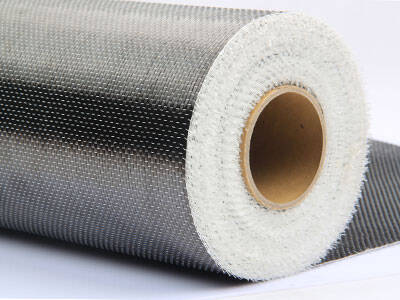
Lớp bọc sợi carbon đơn hướng, cường độ cao được bão hòa trước để tạo thành lớp bọc polyme gia cường sợi carbon (CFRP) dùng để gia cố các cấu kiện bê tông kết cấu.

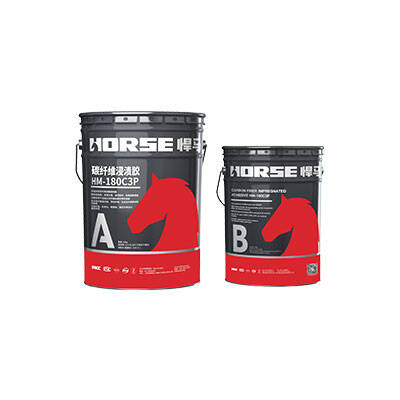
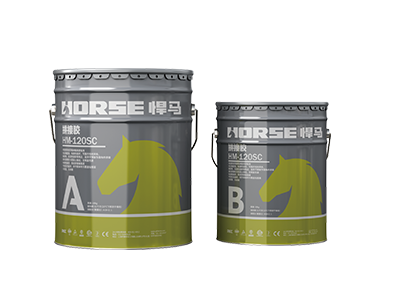
Keo dán sợi carbon tẩm tốt để ứng dụng polyme gia cường sợi carbon (CFRP) để gia cố kết cấu

Vải sợi carbon đơn hướng, cường độ cao được bão hòa trước để tạo thành vải polyme gia cố sợi carbon (CFRP) dùng để gia cố các cấu kiện bê tông kết cấu.
