


 Ngôn ngữ: Vietnamese










Giải pháp
Horse Construction cung cấp đầy đủ các loại vật liệu gia cố kết cấu với hỗ trợ kỹ thuật, hỗ trợ tài liệu, hỗ trợ sản phẩm, hỗ trợ phần mềm, hỗ trợ dự án.
Các chất liệu được xi măng bằng nhựa kết nối với nhau và tạo thành một hệ thống lực với cấu trúc để tăng cường khả năng uốn dẻo hoặc kéo của cấu trúc được củng cố

So sánh tính khả thi củaCFRS và đĩa thép dính

Sự tăng cường khí hậu
Lấy sức mạnh cao tôi sợi cacbon làm ví dụ
(1) Một lớp vải sợi cacbon được chuyển thành độ dày của tấm thép Q235.83 ăn 1.79mm, và độ dày của tấm thép Q345 là 0.57 ăn 1.24mm. Khi 1 lớp vải sợi cacbon đáp ứng nhu cầu về khả năng sinh sản, phương pháp tăng cường CFCP được đề nghị. Những lợi thế của nền kinh tế và khả năng điều khiển rõ ràng. Lúc đó, chi phí xây cất và thời gian xây cất sẽ gia tăng rất nhiều nhờ việc dùng thép củng cố lại.
(2) Độ dày của vải sợi cacbon 2 lớp được chuyển thành độ dày của Q235 từ 1.49 ăn 3.22mm, và độ dày của tấm thép Q345 là 1.3 đến 2.23mm. Khi cần được củng cố, vải sợi cacbon cần thiết cho việc có khả năng vận hành, thiết kế củng cố CFRP nên được ưu tiên hơn, nền kinh tế và khả năng điều khiển có một lợi thế nhất định. Đồng thời, chi phí xây dựng và thời gian xây dựng của phương pháp gia cố thép cao hơn một chút so với sợi cacbon. Để tăng độ an toàn của cấu trúc, chương trình gia cố thép cũng có thể được áp dụng.
(3) Độ dày của vải sợi cacbon 3 lớp là Q235 đến 2.24 đến 4.13mm, và độ dày của tấm thép Q345 là 1.54 ăn 2.86mm. Khi khu vực cần thiết của việc củng cố cấu trúc lớn hơn một chút và 3 lớp CFRP đáp ứng nhu cầu về khả năng sinh sản, không rõ ràng là lợi thế kinh tế và hoạt động của phương pháp sợi cacbon gắn kết không rõ ràng, trong khi phương pháp tăng cường thép dính thì linh hoạt hơn.
(4) Độ dày của vải sợi cacbon 4 lớp là Q235 đến 2.69 ăn 4.58mm, và độ dày của tấm thép Q345 là 1.85 đến 3.17mm. Khi khu vực cần thiết của việc tăng cường cấu trúc, 4 lớp (theo km), số lượng sợi cacbon không nên vượt quá 4 lớp) và hơn 4 lớp vải cacbon để đáp ứng nhu cầu của khả năng vận hành cấu trúc, phương pháp tăng cường thép gắn kết thì kinh tế và hoạt động hơn.

Sự củng cố
Lấy sức mạnh cao tôi sợi cacbon làm ví dụ
(1) Một lớp vải cacbon được chuyển thành tấm thép Q235 với độ dày bằng 0.23 (0.46) đến 0.50 (1) mm, và độ dày của đĩa thép Q345 là 0.16 (0.32) đến 0.35 (0.69) mm. Vì vậy, rõ ràng là nền kinh tế và tính hợp lý của phương pháp củng cố thép dính tốt hơn vải cacbon.
(2) Khi độ bền của lưỡi liềm được gia cố nhỏ hơn, 1 - 2 lớp vải cacbon có thể được dán để đáp ứng những đòi hỏi của nó, và có thể ưa thích sự tăng cường của thiết bị CFRP, và phạm vi sử dụng của nó có giới hạn.
Bạn có thể tìm thấy mọi thứ bạn cần ở đây. Hãy tin tưởng và thử nghiệm các sản phẩm này, bạn sẽ thấy sự khác biệt lớn sau đó.

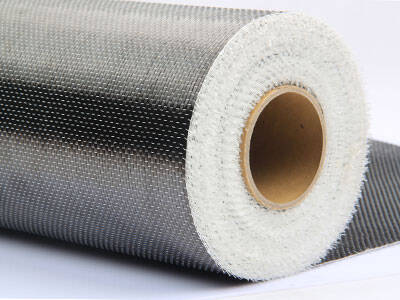
Lớp bọc sợi carbon đơn hướng, cường độ cao được bão hòa trước để tạo thành lớp bọc polyme gia cường sợi carbon (CFRP) dùng để gia cố các cấu kiện bê tông kết cấu.

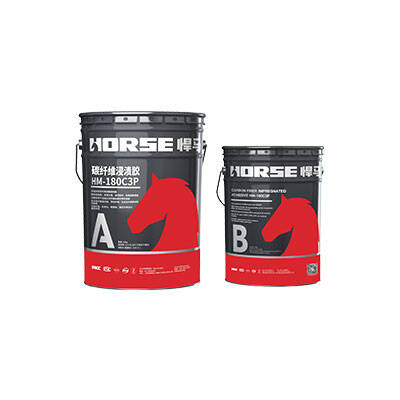
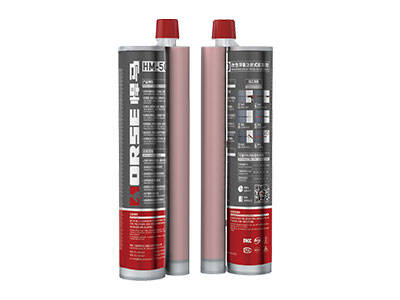
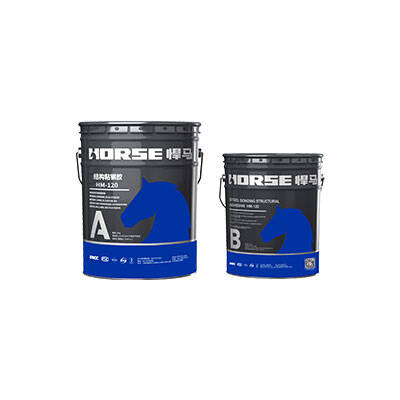
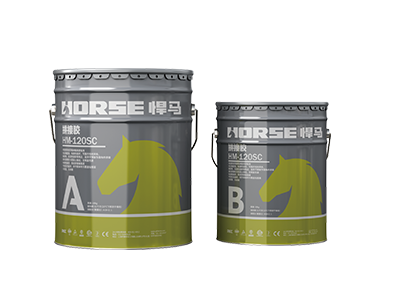
Keo liên kết tấm thép kết cấu HM-120 là sản phẩm epoxy hai thành phần, có độ bám dính mạnh, đóng rắn ở nhiệt độ phòng. Có đặc tính chống lão hóa, chống va đập tuyệt vời trong khả năng tự bám dính và bám dính lẫn nhau của thép và bê tông, với tốc độ cắt cao

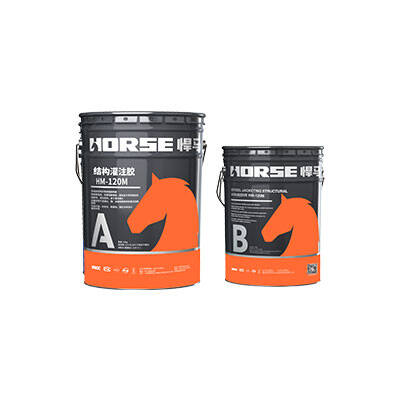
Keo phủ thép HM-120M là keo epoxy cải tiến loại mới, chuyên dùng để hỗ trợ cốt thép liên kết bằng keo. Có thể liên kết với nhiều loại vật liệu nền và kim loại, với các ưu điểm như cường độ liên kết cao, độ bền và độ bền cắt tuyệt vời, khả năng chống axit-k
