


 Ngôn ngữ: Vietnamese











Giải pháp
Horse Construction cung cấp đầy đủ các loại vật liệu gia cố kết cấu với hỗ trợ kỹ thuật, hỗ trợ tài liệu, hỗ trợ sản phẩm, hỗ trợ phần mềm, hỗ trợ dự án.
Hơn nữa, vải FRP được dán ở đáy sàn với khoảng cách nhất định, để một số tầng được bao phủ bởi FRP, trong khi những tầng khác thì không.

Trong ngành kỹ thuật, cho dù có phải tăng gánh hoặc sửa đổi cấu trúc, có nhiều trường hợp cần được tăng cường, rất rộng rãi. Thật không may, mặc dù có rất nhiều vật liệu nghiên cứu cho việc sử dụng tia FRP tăng cường, nhưng để tăng cường các phiến đá bê tông, nghiên cứu này thực sự rất nghèo.
Karbhari, một nhà nghiên cứu, tin rằng không thể trực tiếp dịch kết quả nghiên cứu của những cây xà thành thiết kế và phân tích các phiến đá. thứ nhất, trạng thái căng thẳng của đĩa là hai chiều, và trạng thái căng thẳng của chùm tia là u một lần. Thêm vào đó, sàn nhà không có dây kéo như xà. Hơn nữa, vải FRP Được dán ở đáy sàn với một khoảng cách nhất định, để một số tầng được bao phủ bởi FRP, trong khi những tầng khác thì không.
Tuy nhiên, nhiều nhà nghiên cứu đã nêu ra rằng có vẻ hợp lý khi dùng phương pháp truyền thống để nghiên cứu về xà bê tông để phân tích những viên gạch bê tông được củng cố bởi FRP mà không có kết quả nghiên cứu. Dù sàn nhà là một hoặc hai chiều, ngay cả trong một dự án thiết kế ở Elhasan, có một sàn không dây. Dĩ nhiên, họ cũng công nhận rằng ứng dụng FRP trong các tấm xi măng được gia cố hiện đang ở giai đoạn chưa trưởng thành, vẫn còn nhiều cách phân tích thực nghiệm và lý thuyết cần được hoàn tất, cũng như việc thiết lập các mật mã và quy định thích hợp.
Mặt khác, phần lớn các nhà nghiên cứu trong lĩnh vực này chấp nhận một số kết luận căn bản:
Theo những tính chất khác nhau của vải FRP và những cách khác nhau mà chúng được kết nối, sự cải tiến của việc giữ cho sàn nhà mang năng lượng khác nhau, và tối đa có thể tăng lên gần 300% (Karbhari, 1999).
Sau khi sàn nhà được tăng cường bằng vải FRP, chế độ thất bại sẽ được thay đổi rất nhiều. Chế độ thất bại của các miếng bê tông được gia cố là sự thất bại căng thẳng của các thanh thép, trong khi sự dẻo dai của các tấm chắn được tăng cường được giảm đi rất nhiều.Biểu hiện chính là vật liệu FRP đột nhiên bóc ra khỏi các tấm bảng hoặc vật liệu FRP đột nhiên bị vỡ (Karbhari, 1999.
Họ đều đề nghị rằng các dải FRP xuyên ngang được cấu hình một cách thích hợp, như trong các tấm bê tông được gia cố bình thường, bởi vì một sự sắp xếp theo hướng không phải là một sự sắp đặt kinh tế và hiệu quả nhất (Karbhari, 1999.
Chừng nào lưới của thanh FRP còn cách nhau, chừng nào lưới còn cách nhau dưới 250 mm đến 300 mm, thì trạng thái nứt và thất bại của sàn nhà trong khi thất bại không liên quan gì nhiều đến nó (Ichimasu, 2000; Karbhari, 1999. Cần phải nghiên cứu nhiều hơn nữa, và Tann gợi ý rằng khoảng cách tối đa phải là 2.5 h 0, nơi H0 là khoảng cách từ trung tâm của tăng cường xuống mái nhà. Hoặc nếu các dải FRP xuyên ngang như các thanh thép phân tán được sử dụng, khoảng cách lưới có thể được mở rộng một cách thích hợp, nhưng các dải FRP xuyên qua nên được dán vào bên trong. Về trình tự xây dựng, những dải FRP xuyên ngang nên được xây dựng trước, sau đó dài hơn (Tan et al. 2001.
Hiện nay, không có vật liệu nào có thể cho thấy rằng vải FRP được kết nối bên ngoài có thể tăng cường khả năng kéo cắt các miếng bê tông được gia cố (Tan et al. 2001.
Bạn có thể tìm thấy mọi thứ bạn cần ở đây. Hãy tin tưởng và thử nghiệm các sản phẩm này, bạn sẽ thấy sự khác biệt lớn sau đó.

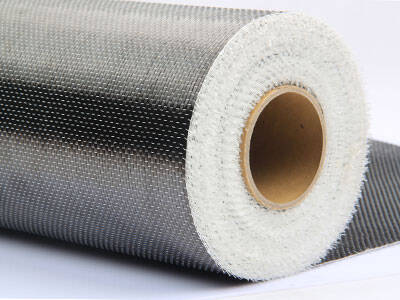
Lớp bọc sợi carbon đơn hướng, cường độ cao được bão hòa trước để tạo thành lớp bọc polyme gia cường sợi carbon (CFRP) dùng để gia cố các cấu kiện bê tông kết cấu.

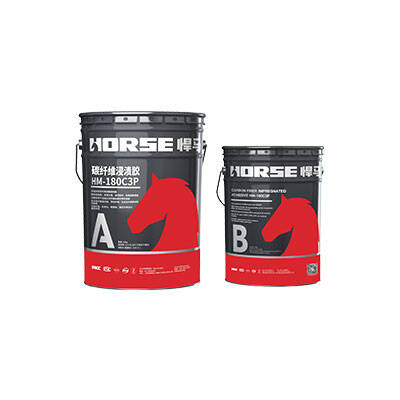
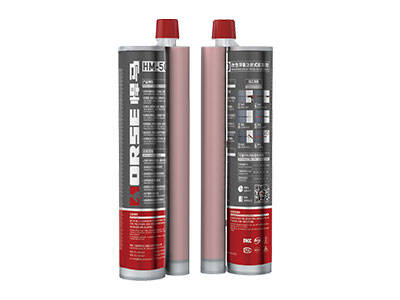
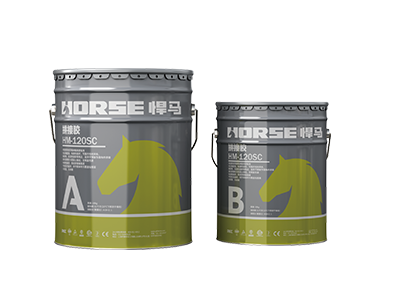
Lớp sơn lót sợi carbon có độ nhớt thấp, khả năng thẩm thấu mạnh cho bề mặt bê tông cốt thép để tăng cường phần khuyết tật

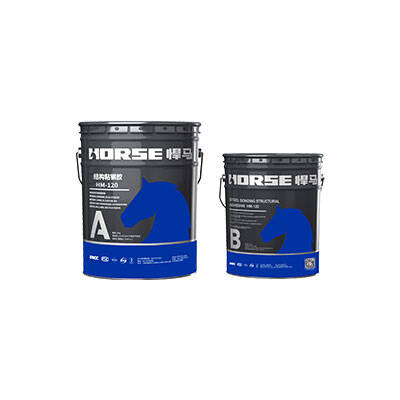
Keo dán sợi carbon tẩm tốt để ứng dụng polyme gia cường sợi carbon (CFRP) để gia cố kết cấu
