


 Ngôn ngữ: Vietnamese











Giải pháp
Horse Construction cung cấp đầy đủ các loại vật liệu gia cố kết cấu với hỗ trợ kỹ thuật, hỗ trợ tài liệu, hỗ trợ sản phẩm, hỗ trợ phần mềm, hỗ trợ dự án.
Tăng cường cấu trúc không chỉ có thể cải thiện khả năng chịu đựng và tính bền vững của cấu trúc, mà còn cải thiện khả năng địa chấn. Vậy, có thể nào xem xét rằng việc tăng cường cấu trúc thông thường có thể đồng thời tăng khả năng mang và địa chấn, cả hai có thể được đối xử giống nhau không?

Với số lượng các bệnh về cấu trúc bê tông đang tăng và sự tiến bộ liên tục của con người và#39; nhận thức địa chấn, ngày càng nhiều cấu trúc xây dựng không thể đáp ứng được nhu cầu sử dụng. Tăng cường cấu trúc có thể không chỉ cải thiện khả năng chịu đựng và tính bền vững của cấu trúc, mà còn cải thiện khả năng địa chấn. Vậy, có thể nào xem xét rằng việc tăng cường cấu trúc thông thường có thể đồng thời tăng khả năng mang và địa chấn, cả hai có thể được đối xử giống nhau không?
Thật vậy, mặc dù mang năng lực củng cố và sức khỏe địa chấn là nhờ sự củng cố cấu trúc, nhưng vẫn còn một số khác biệt giữa chúng. Nếu không xem xét sự kháng cự địa chấn, chỉ có khả năng vận hành của các thành viên mới được nâng lên, nó thường có ảnh hưởng xấu đến sự chống cự địa chấn của cấu trúc. Thí dụ, việc củng cố các thành viên trong khu vực đồn địa chấn có thể không có lợi cho việc kháng cự địa chấn. Vì vậy, trong sự củng cố, chúng ta nên làm rõ sự khác biệt giữa hai và ngăn chặn sự củng cố không có hiệu quả ngược lại.
Thiết kế sự khác biệt cuộc sống
Sự sống trong công việc phục vụ cho công việc củng cố bao hàm một giai đoạn liên tục sử dụng một tòa nhà. Trong giai đoạn này, cấu trúc không cần bảo trì quy mô lớn, nhưng chỉ cần bảo trì bình thường để hoàn thành chức năng sử dụng định sẵn. Cuộc sống dịch vụ thiết kế nên xem xét tính bền vững, an toàn, kinh tế, lý trí v.v... Có những yêu cầu khác nhau về tiêu chuẩn đánh giá địa chấn và đặc điểm thiết kế tăng cường.
Theo tiêu chuẩn đánh giá địa chấn, cuộc sống phục vụ thiết kế chủ yếu dựa trên thời gian xây dựng các tòa nhà hiện có và chuỗi mã thiết kế địa chấn được chấp nhận để phân biệt. Trong thiết kế củng cố, đời sống thiết kế bị ảnh hưởng đến người chủ, vật liệu gia cố và sự sống còn lại của tòa nhà nguyên thủy.Do đó, khi cần phải củng cố địa chấn của các tòa nhà, thì sự sống thiết kế nên được phối hợp giữa hai tòa nhà để ngăn chặn cấu trúc sau khi được tăng cường không đáp ứng những đòi hỏi về địa chấn.

Khác biệt giữa phương pháp củng cố
Trong việc củng cố khả năng vận hành, mỗi phương pháp củng cố lại chú ý nhiều hơn đến việc cải thiện khả năng vận hành của từng cá nhân. Ví dụ, trong các bộ phận linh hoạt, khả năng kéo và dao kéo có thể được cải thiện bằng cách gắn chặt Sợi sợi cacbon và những bàn đạp hình chữ U. Khi cơ cấu được củng cố, chúng ta nên chú ý đến việc cải thiện hoạt động địa chấn của từng thành viên cho đến toàn thể thành viên, để tránh sự củng cố của từng thành viên hoặc từng phần, và khiến các thành viên khác hoặc một phần khác trở nên yếu đi.
Mặt khác, có thể thực hiện việc củng cố địa chấn từ hai khía cạnh, một trong số đó là cải thiện khả năng dẫn điện của cấu trúc, và phương pháp khác là nâng cao hiệu suất địa chấn của cấu trúc bằng cách cải thiện khả năng biến dạng của cấu trúc. Điều này có thể dẫn đến cùng một phương pháp mang năng lượng củng cố và tăng cường địa chấn khác nhau, chẳng hạn như bức tường bê tông kết nối với vải sợi cacbon, khả năng chịu đựng của các chất gia cố về cơ bản là không hiệu quả, nhưng có thể cải thiện khả năng đường ống của bức tường để cải thiện hiệu suất địa chấn. Nói cách khác, chúng ta nên chú ý đến sự khác biệt giữa hai phương pháp trong việc lựa chọn phương pháp.
Những điểm tương đồng giữa khả năng mang và tăng cường địa chấn
Từ góc nhìn của công nghệ củng cố, tất cả các loại phương pháp củng cố sức mạnh có thể được sử dụng trong tăng cường địa chấn, và quá trình củng cố về cơ bản là tương tự. Việc xác định cấu trúc ban đầu là một tài liệu tham khảo quan trọng về khả năng làm vững mạnh và củng cố địa chấn của cấu trúc, và cần phải thực hiện nghiêm ngặt theo những đòi hỏi của bộ mã. Công nghệ xây dựng nên được kết hợp với tình huống thực tế của trang web, chọn phương pháp thích hợp, và chọn một đội xây dựng chuyên nghiệp để tăng cường.
Để tóm lại, không thể đối xử giống như vậy với việc dùng năng lượng tăng cường và tăng cường địa chấn.
Bạn có thể tìm thấy mọi thứ bạn cần ở đây. Hãy tin tưởng và thử nghiệm các sản phẩm này, bạn sẽ thấy sự khác biệt lớn sau đó.

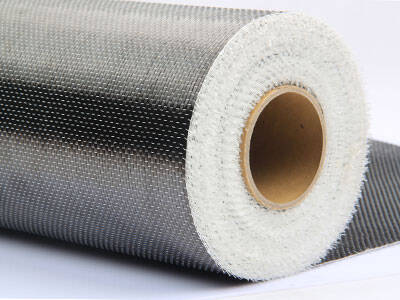
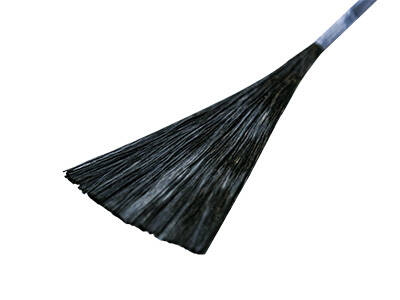
Lớp bọc sợi carbon đơn hướng, cường độ cao được bão hòa trước để tạo thành lớp bọc polyme gia cường sợi carbon (CFRP) dùng để gia cố các cấu kiện bê tông kết cấu.

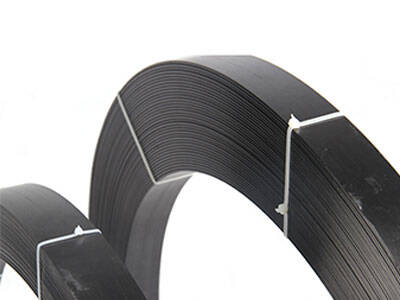
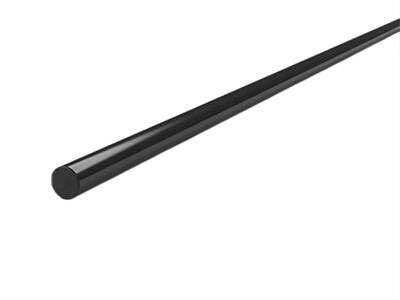
Dải / tấm polyme gia cường sợi carbon (CFRP) cường độ cao để gia cố kết cấu và sửa chữa bê tông

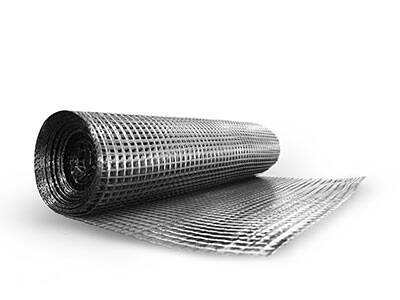
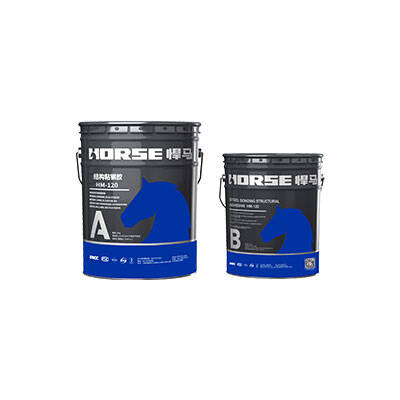
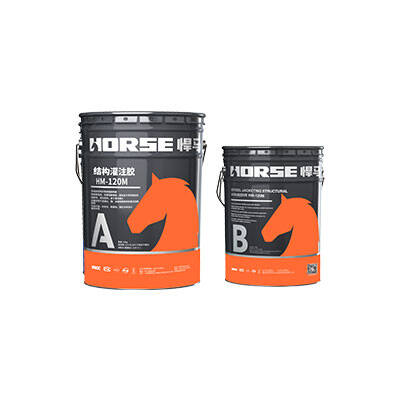
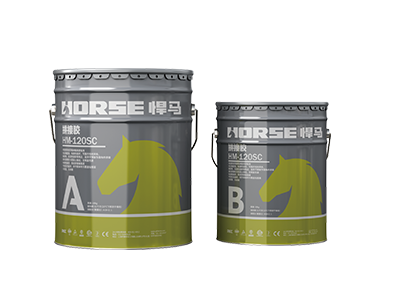
Keo phủ thép HM-120M là keo epoxy cải tiến loại mới, chuyên dùng để hỗ trợ cốt thép liên kết bằng keo. Có thể liên kết với nhiều loại vật liệu nền và kim loại, với các ưu điểm như cường độ liên kết cao, độ bền và độ bền cắt tuyệt vời, khả năng chống axit-k
