


 Ngôn ngữ: Vietnamese










Giải pháp
Horse Construction cung cấp đầy đủ các loại vật liệu gia cố kết cấu với hỗ trợ kỹ thuật, hỗ trợ tài liệu, hỗ trợ sản phẩm, hỗ trợ phần mềm, hỗ trợ dự án.
So sánh với sự củng cố của dải carbon, nguyên tắc về sự thay thế sức mạnh bằng nhau nên được áp dụng, đó là, cuối cùng các giá trị của lực căng được tính toán bởi hai quá trình là giống nhau, và giá trị của lực căng thực sự là sản phẩm của độ bền và độ bền. Chúng tôi lấy 1.2mm dày, 100mm rộng sợi cacbon và 300g, 100mm sợi cacbon rộng làm ví dụ:

Với sự phát triển liên tục của ngành công nghiệp xây dựng, Trung Quốc đã bước vào giai đoạn cùng chú ý đến việc xây dựng và củng cố và bảo trì mới, và tỷ lệ củng cố và bảo trì sẽ trở nên lớn hơn và lớn hơn, đó cũng là xu hướng của ngành công nghiệp. Trong việc củng cố và bảo trì, những công nghệ củng cố được sử dụng phổ biến nhất là tăng cường thép, tăng cường CFCP, tăng cường khu vực, tăng cường phần thép, vân vân. Sự gia tăng sợi carbon đã trở thành một điều ưa thích mới trong ngành công nghiệp củng cố bởi vì những lợi thế đặc biệt của nó. Tăng cường CFRP được chia làm các-bon gia cố và các-bon kết hợp với nhau. Có bao nhiêu lớp vải cacbon tương đương với một lớp sợi cacbon?
So sánh với sự củng cố của dải carbon, nguyên tắc về sự thay thế sức mạnh bằng nhau nên được áp dụng, đó là, cuối cùng các giá trị của lực căng được tính toán bởi hai quá trình là giống nhau, và giá trị của lực căng thực sự là sản phẩm của độ bền và độ bền. Chúng tôi lấy 1.2mm dày, 100mm rộng sợi cacbon và 300g, 100mm sợi cacbon rộng làm ví dụ:


Trước hết, chúng ta có thể tính toán lực căng của các bon biển bằng giá trị thiết kế của độ bền của các-bon * diện tích các bon. Giá trị của độ bền căng của đĩa carbon chính cho các thành phần quan trọng là 150 MPa (Điều chỉnh thiết kế tăng lực lượng của các chất liệu đặc biệt). Khu vực của các bon biển là 1.2*100 = 120 mm và lực căng các bon là 150*120 = 182KN.
Giá trị độ bền của một lớp vải cacbon = giá trị thiết kế độ bền của vải cacbon * diện tích chéo của vải cacbon. Giá trị của độ bền của vải cacbon chính cho các thành phần quan trọng là 1.600 MPa (Điều chỉnh thiết kế tăng lực lượng của các chất liệu đặc biệt). Khu vực của vải cacbon là 0.167*100 =16.7 mm và lực căng của vải cacbon là 1.600*16.7 = 26.72 KN.138/26.72 = 5.2, giá trị căng thẳng của 1.2mm các bon dày khoảng 5.2 và 300 g vải cacbon. Đây là mà không cần phải xem xét sự giảm thiểu nhiều loại vải cacbon, và việc dán giấy carbon không thể vượt quá 4 lớp, vì vậy trong quá trình xây dựng thực tế, vải cacbon không thể thay thế các tấm carbon.
Nó có thể được xem xét rằng hiệu ứng củng cố của một lớp vải cacbon tương tự như năm lớp.Hai lớp vải cacbon đơn giản là thay thế lực căng. Trong thực tế, trong quá trình củng cố thực tế, mang khả năng tính toán là một quá trình phức tạp, khác xa một thay thế đơn giản như vậy có thể được tính toán.
Bạn có thể tìm thấy mọi thứ bạn cần ở đây. Hãy tin tưởng và thử nghiệm các sản phẩm này, bạn sẽ thấy sự khác biệt lớn sau đó.

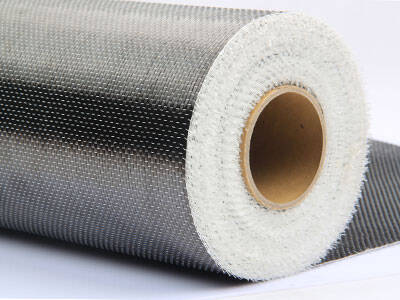
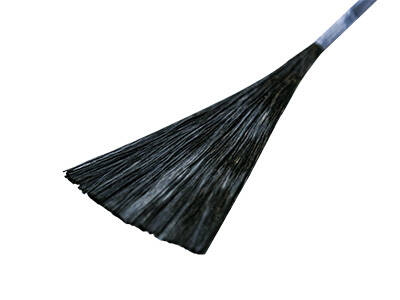
Lớp bọc sợi carbon đơn hướng, cường độ cao được bão hòa trước để tạo thành lớp bọc polyme gia cường sợi carbon (CFRP) dùng để gia cố các cấu kiện bê tông kết cấu.

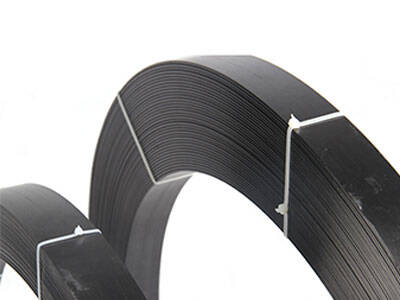
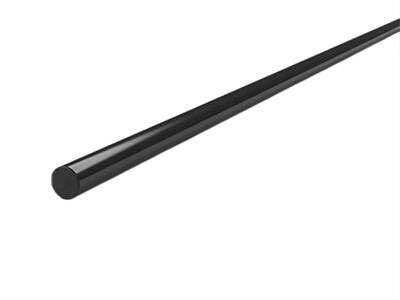
Dải / tấm polyme gia cường sợi carbon (CFRP) cường độ cao để gia cố kết cấu và sửa chữa bê tông

Vải sợi carbon đơn hướng, cường độ cao được bão hòa trước để tạo thành vải polyme gia cố sợi carbon (CFRP) dùng để gia cố các cấu kiện bê tông kết cấu.
