


 Ngôn ngữ: Vietnamese












Giải pháp
Horse Construction cung cấp đầy đủ các loại vật liệu gia cố kết cấu với hỗ trợ kỹ thuật, hỗ trợ tài liệu, hỗ trợ sản phẩm, hỗ trợ phần mềm, hỗ trợ dự án.
Đường kính của các thanh thép nằm trong sàn xưởng chính không đáp ứng được những đòi hỏi ban đầu của thiết kế. Cần phải có biện pháp củng cố cần thiết cho xưởng được kiểm tra. Sau khi được thiết kế, sợi cacbon được tiếp thêm vào cuối cùng cũng được chấp nhận.
Giới thiệu
Trong các doanh nghiệp công nghiệp, chẳng hạn như công nghiệp hóa dầu, việc sử dụng và sử dụng môi trường đầu tiên đã bị thay đổi do sự kết hợp và thu thập giữa các doanh nghiệp hoặc sự thay đổi của quá trình thượng lưu, đòi hỏi kiểm tra nhà cửa và nhận dạng nhà cửa và sau đó tăng cường và thay đổi.
trong những năm gần đây, là một trong những phương pháp củng cố cấu trúc bê tông, các sợi cacbon được dùng rộng rãi trong đường cao tốc, cầu, đường hầm và các dự án củng cố xây dựng. Trong khi sợi carbon có sức mạnh cao và độ đàn hồi cao, nó cũng có đặc tính của sự tự trọng nhẹ và tính bền vững.
Tình trạng chung của ngành kỹ thuật
Một công ty hóa học nước ngoài đã mua một nhà máy hóa chất sơn và sơn.Do sự cần thiết của quá trình nâng cấp và biến đổi, công ty tài trợ nước ngoài yêu cầu kiểm tra nhà ở và đánh giá nhà máy sản xuất chính. Xưởng khảo sát là một hệ thống ba tầng gia cố cấu trúc bê tông với nền tảng chồng. Khu vực xây dựng của xưởng là khoảng 5200 m2. Sau khi được một cơ quan kiểm tra chuyên môn, người ta thấy rằng đường kính của các thanh sắt trong sàn xưởng chính không đáp ứng được những đòi hỏi ban đầu của thiết kế, và các biện pháp củng cố cần thiết cho xưởng được kiểm tra.
Biến
Đường kính và số lượng của cột dài tăng cường bằng cách kiểm tra ngẫu nhiên đáp ứng các yêu cầu thiết kế. Độ lệch giữa các giá trị đo lường và các giá trị thiết kế của đường kính khuấy động cột và khoảng cách bằng cách kiểm tra ngẫu nhiên là trong phạm vi có thể sai lệch và đáp ứng các yêu cầu thiết kế. Đường kính và số lượng của sự tăng cường dưới cùng của chùm đã được chọn đáp ứng yêu cầu thiết kế. Độ lệch giữa các giá trị đo và giá trị thiết kế đường kính và khoảng cách của các bàn đạp được chọn nằm trong phạm vi có thể đi lệch và đáp ứng các yêu cầu thiết kế. Có ba điểm trong đường kính của thanh thép trong sàn nhà mà không đáp ứng các yêu cầu thiết kế. Độ lệch giữa các giá trị đo và thiết kế của thanh thép khoảng cách là trong phạm vi có thể đi lệch và đáp ứng các yêu cầu thiết kế. Độ lệch giữa các giá trị đo và thiết kế kích thước hình học của cột và xà và độ dày của các tấm sàn nằm trong phạm vi có thể đi lệch và đáp ứng các yêu cầu thiết kế.
Sau khi phân tích những mâu thuẫn của ba thanh cấm trên sàn nhà, người ta thấy đường kính của các thanh xà ngang và dài không nhất quán. Trong những bản vẽ thiết kế ban đầu, việc tăng cường riêng biệt được dùng để tăng cường sàn nhà. Các hỗ trợ trên tăng cường và các tăng cường dưới qua một thời gian dài của mỗi bảng được riêng biệt phân bổ, và đường kính là khác nhau, mà chắc chắn mang lại khó khăn cho xây dựng. Đơn vị xây dựng' những người xây dựng không đủ nghiêm trọng để xem những bản vẽ, những thứ sẽ dẫn đến những vấn đề ở trên.

Lựa chọn những vật liệu tiếp sức
Theo những vấn đề được tìm thấy, người ta quyết định xem xét tình trạng bất lợi nhất của nhà máy sản xuất và thiết kế sự củng cố. Người ta cho rằng các phiến đá với đường kính khác nhau của thanh thép trong hai hướng của sàn nhà phía dưới của thiết kế ban đầu đều được cho là đường kính nhỏ hơn ~8@200. Bởi vì chỉ có đáy sàn mới được củng cố, nên sự phân tích và tính toán của mỗi tầng được thực hiện theo bốn mặt.
Độ dày của sàn nhà máy là 120 mm, và tỷ lệ tăng cường tối thiểu là p = Max (0.2, 45ft/ff)% =Max (0.2, 45*1.57/270)% = 0.26%. Vì vậy, tỷ lệ tăng cường tối thiểu của sàn nhà là 382 mm trên một mét mở rộng. Trong phần thiết kế ban đầu, việc củng cố cấu trúc là (I~10@200). Xét về tình trạng bất lợi nhất ~8@200@ (252 mm2 / mét mỗi mét mở rộng), khoảng 50% số tầng tăng cường của tầng hai và tầng ba không đáp ứng được yêu cầu tăng cường tối thiểu, vì vậy cần phải tăng cường cấu trúc.

Việc chọn những vật liệu củng cố lại là do những đặc điểm sau của sự tăng cường sợi cacbon:
(1) Tự trọng ánh sáng, hạn chế không gian nhỏ trong việc xây dựng;
(2) cường độ cao, linh hoạt, có thể bọc các thành phần hình dạng phức tạp, phù hợp với bề mặt nhiều thành phần;
(3) Kháng chiến với sự ăn mòn hóa học và môi trường khắc nghiệt như axit và alkali;
(4) Kháng thể, kháng nước tuyệt vời;
5) Sự sống trong kho dài, và thời gian hoạt động là rất dài. Vật liệu cơ bản có thể là bê tông, thợ nề và các vật liệu cấu trúc khác.
Kháng nhiệt độ cao, sức kháng cự đáng sợ dưới trọng tải, sức kháng cự tốt và hoạt động địa chấn.
Do đó, nhà máy sản xuất đã quyết định áp dụng thiết kế tăng cường sợi cacbon.

Kết luận
Sau khi thực hiện các biện pháp trên, dự án CFRP củng cố nhà máy sản xuất chính của công ty hóa chất đã vượt qua sự chấp nhận cuối cùng, sửa chữa những khuyết điểm của nhà máy ban đầu với chi phí nhỏ hơn, xua tan những mối quan tâm của những chủ sở hữu sau này, và thành công trong việc hoàn thành việc thu thập.
Có nhiều khả năng để nâng cấp công nghệ và cải tiến công nghệ ở giai đoạn sau của ngành công nghiệp sản xuất, và có nhiều khía cạnh liên quan. Tăng cường cấu trúc và nâng cấp tạo ra khả năng điều chỉnh cấu trúc công nghệ. Với sự tiến bộ liên tục và thành thục của thiết kế và phương pháp xây dựng, sợi cacbon được củng cố như một trong những phương pháp quan trọng củng cố cấu trúc và biến đổi ngày càng phản ánh tính đáng tin cậy, kinh tế và khả năng sản xuất.
Bạn có thể tìm thấy mọi thứ bạn cần ở đây. Hãy tin tưởng và thử nghiệm các sản phẩm này, bạn sẽ thấy sự khác biệt lớn sau đó.

Lớp sơn lót sợi carbon có độ nhớt thấp, khả năng thẩm thấu mạnh cho bề mặt bê tông cốt thép để tăng cường phần khuyết tật

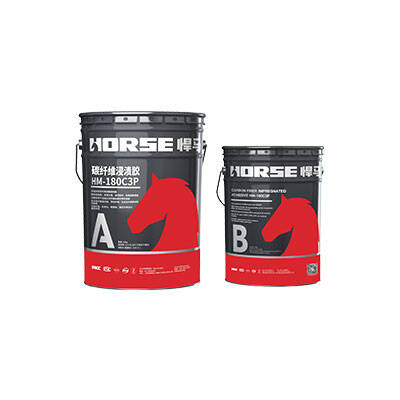
Keo dán sợi carbon tẩm tốt để ứng dụng polyme gia cường sợi carbon (CFRP) để gia cố kết cấu

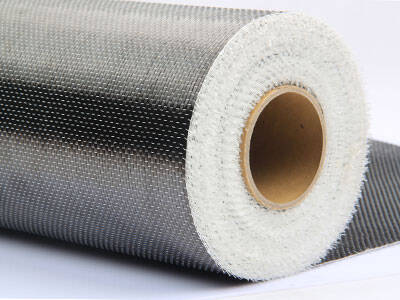
Tấm sợi carbon đơn hướng, cường độ cao được bão hòa trước để tạo thành tấm polyme gia cường sợi carbon (CFRP) dùng để gia cố các cấu kiện bê tông kết cấu.
