


 Ngôn ngữ: Vietnamese










Giải pháp
Horse Construction cung cấp đầy đủ các loại vật liệu gia cố kết cấu với hỗ trợ kỹ thuật, hỗ trợ tài liệu, hỗ trợ sản phẩm, hỗ trợ phần mềm, hỗ trợ dự án.
Tại sao chúng ta nên chọn cơ sở đa bào tử cho sợi cacbon dùng để tăng cường cấu trúc chịu lực?
Thiết bị sợi Aramid cần thiết trong kỹ thuật cấu trúc chịu lực?
Để áp dụng các sợi tơ aramid trong kỹ thuật cấu trúc chịu tải, cần phải chọn sợi sợi sợi sợi sợi sợi khung khung khung khung khung khung khung khung
Sợi dây Aramid có khả năng chịu tác động và kháng mệt mỏi, vì vậy nó thường được dùng để tăng cường cấu trúc cần thiết cho khía cạnh này. Thêm vào đó, nó cũng được dùng để kết hợp với sợi cacbon để giảm tác động của sợi cacbon bền. Yếu tố bất lợi của sợi aramid là nó có một lượng nước hấp thụ lớn và sức kháng cự ánh sáng yếu. Để làm được điều này, cần phải có biện pháp bảo vệ.
Thiết bị sợi thủy tinh ứng dụng trong việc tăng cường cấu trúc?
Để áp dụng các sợi thủy tinh trong các dự án tăng cường cấu trúc, sợi thủy tinh mạnh mẽ, sợi dây mắt cá hồi kháng được Alkali, hay sợi thủy tinh E-quali với dung lượng alkali ít hơn 0.8% (cũng được gọi là sợi thủy tinh không có alkali) cần phải được chọn.
Còn về sợi thủy tinh và sợi C, do chất alkali cao (K, Na), sức mạnh thấp, đặc biệt là trong môi trường ẩm ướt, sức mạnh giảm đi trầm trọng hơn, nên phải bị nghiêm ngặt cấm sử dụng trong việc tăng cường cấu trúc.
Tại sao việc sử dụng sợi vải được sản xuất bởi phương pháp chuẩn bị để củng cố cấu trúc chịu lực lại là hoàn toàn bị cấm?
Người chuẩn bị có một thời gian lưu trữ ngắn và đòi hỏi phải giữ lạnh ít thời gian, điều này rất khó để đạt được dưới điều kiện xây dựng trên chiến trường, điều này thường dẫn đến việc người chuẩn bị bị bị bị bị suy yếu và cứng rắn trước. Nếu nó được sử dụng một cách miễn cưỡng, nó sẽ ảnh hưởng nghiêm trọng đến sự an toàn và chất lượng của dự án củng cố cấu trúc, do đó việc sử dụng tài liệu này bị nghiêm ngặt cấm đoán.
Tại sao chúng ta nên chọn cơ sở đa bào tử cho sợi cacbon dùng để tăng cường cấu trúc chịu lực?
Sợi carbon được chia thành ba loại, theo nguyên liệu chính, gọi là sợi cacbon đa sắc (PAcrylonitrile) có nền tảng là sợi cacbon, chất lượng cao (PITCH) và sợi sợi cacbon (RYON).
Theo quan điểm của các quy định về hiệu suất tăng cường cấu trúc, chỉ các sợi cacbon dựa trên PN mới đáp ứng được các yêu cầu an toàn và bền vững của các cấu trúc chịu lực. Các sợi carbon dựa trên chất Vscose có hiệu suất kém và chất lượng và không thể được sử dụng để tăng cường các cấu trúc chịu lực. Sợi carbon dựa trên độ cứng chỉ có sợi trung bình và sợi xoắn cao, có thể được sử dụng cho các ứng dụng tăng cường cần vật liệu cứng cao. Tuy nhiên, những ứng dụng như thế hiếm khi gặp phải trong việc củng cố cấu trúc thông thường.
Bạn có thể tìm thấy mọi thứ bạn cần ở đây. Hãy tin tưởng và thử nghiệm các sản phẩm này, bạn sẽ thấy sự khác biệt lớn sau đó.

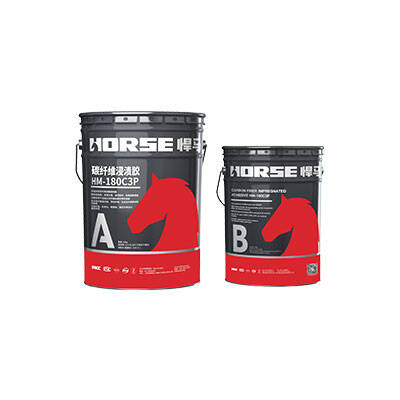
Keo dán sợi carbon tẩm tốt để ứng dụng polyme gia cường sợi carbon (CFRP) để gia cố kết cấu

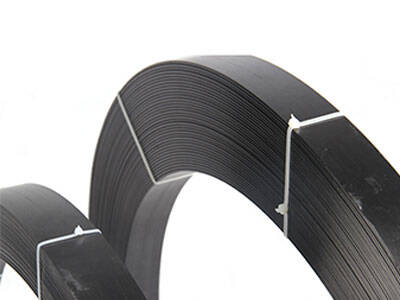
Dải / tấm polyme gia cường sợi carbon (CFRP) cường độ cao để gia cố kết cấu và sửa chữa bê tông

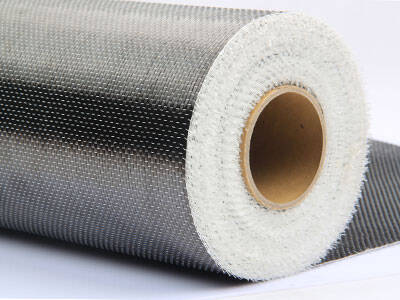
Vải sợi carbon đơn hướng, cường độ cao được bão hòa trước để tạo thành vải polyme gia cố sợi carbon (CFRP) dùng để gia cố các cấu kiện bê tông kết cấu.
