


 Ngôn ngữ: Vietnamese











Giải pháp
Horse Construction cung cấp đầy đủ các loại vật liệu gia cố kết cấu với hỗ trợ kỹ thuật, hỗ trợ tài liệu, hỗ trợ sản phẩm, hỗ trợ phần mềm, hỗ trợ dự án.
Nếu FRP tiếp xúc với nhiệt độ cao, cả sức mạnh lẫn sự cứng rắn sẽ giảm. Sợi carbon gia cố nhựa không nhạy cảm với nhiệt độ cao, nhưng sức mạnh và độ cứng của các vật liệu tổng hợp giảm trên 200 ° C. Khi tiếp xúc với nhiệt độ hoạt động tối đa là 60 ° C, độ bền và độ đàn hồi của CFRP, GFRP, và AFRP giảm 10%, 20%, và 30%. Khi nhiệt độ tăng lên, độ bền của FRP giảm

Đánh lửa và nhiệt độ cao có thể ảnh hưởng nghiêm trọng đến hiệu suất của FRP (sức mạnh, cứng, Young' các mô-đun). Bản thân nhựa cây không nhạy cảm với nhiệt độ, nhưng khi được dùng để tăng cường, keo không chịu nổi lửa và nhiệt độ cao. Những khía cạnh sau đây đều có hiệu quả cụ thể.
1. Sức mạnh và sự cứng rắn của FRP
Nếu FRP tiếp xúc với nhiệt độ cao, cả sức mạnh lẫn sự cứng rắn sẽ giảm. Sợi carbon gia cố nhựa không nhạy cảm với nhiệt độ cao, nhưng sức mạnh và độ cứng của các vật liệu tổng hợp giảm trên 200 ° C. Khi tiếp xúc với nhiệt độ hoạt động tối đa là 60 ° C, độ bền và độ đàn hồi củaCFRSGFRP, và AFRP giảm 10%, 20%, 30%, đồng loại. Khi nhiệt độ tăng lên, độ bền của FRP giảm
2. Kết nối màn trình diễn của FRP
Ở nhiệt độ trên nhiệt độ chuyển đổi của kính, tính chất liên kết của FRP có thể giảm đi rất nhiều. Sự liên kết của FRP phụ thuộc vào tính chất kéo cắt của ma trận hoặc chất dính.
3. Hỗ trợ chống cháy của FRP tăng cường các thành viên bê tông
Để cho FRP có thể hiển thị khả năng kháng hỏa, các yếu tố cấu trúc được gia cố bằng các chất kết dính bên ngoài.
Do đó, Horse Construction khuyên rằng sau khi dùng sợi cacbon gia cố, hãy chắc chắn che phủ bề mặt bằng lớp vỏ chống cháy và chống cháy.
Bạn có thể tìm thấy mọi thứ bạn cần ở đây. Hãy tin tưởng và thử nghiệm các sản phẩm này, bạn sẽ thấy sự khác biệt lớn sau đó.

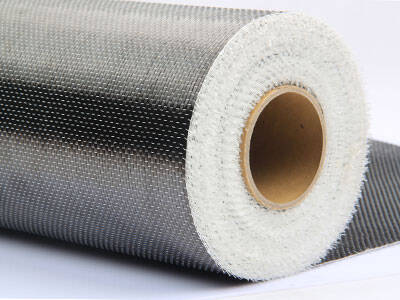
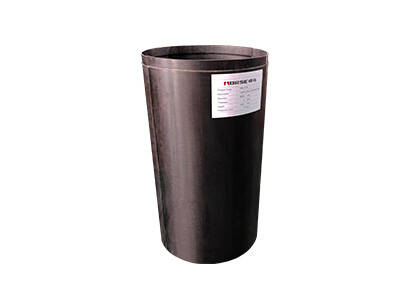
Lớp bọc sợi carbon đơn hướng, cường độ cao được bão hòa trước để tạo thành lớp bọc polyme gia cường sợi carbon (CFRP) dùng để gia cố các cấu kiện bê tông kết cấu.

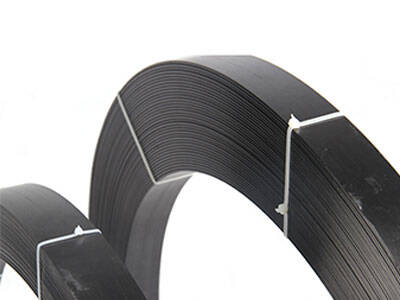
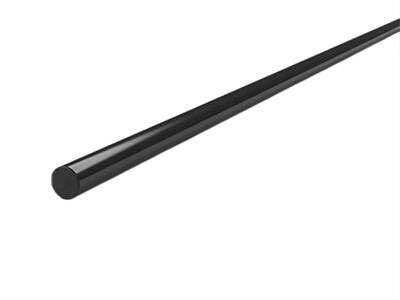
Dải / tấm polyme gia cường sợi carbon (CFRP) cường độ cao để gia cố kết cấu và sửa chữa bê tông

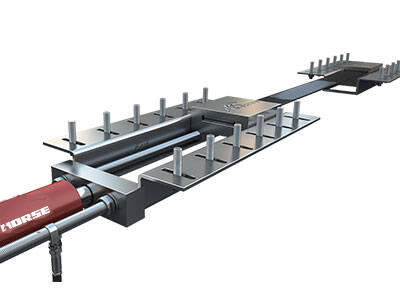
Tấm polyme gia cường sợi carbon (CFRP) ứng suất trước dùng để gia cố sàn, dầm nhằm tăng độ cứng, giảm biến dạng và độ võng của các cấu kiện, giảm vết nứt, tránh và ngăn ngừa nứt.
