


 Ngôn ngữ: Vietnamese











Giải pháp
Horse Construction cung cấp đầy đủ các loại vật liệu gia cố kết cấu với hỗ trợ kỹ thuật, hỗ trợ tài liệu, hỗ trợ sản phẩm, hỗ trợ phần mềm, hỗ trợ dự án.
Tác động của độ dày của lớp dính trên áp lực kéo cắt tại giao diện của xà bê tông được củng cố với đĩa CFRP đã được căng thẳng trước

Tăng cường cấu trúc Qⅅ A
Câu hỏi:
Tác động của độ dày của lớp dính trên căng thẳng kéo ở giao diện của xà bê tông được củng cố Biển số sóng âm được đặt sẵn
Trả lời:
Trong công nghệ của các xà bê tông được gia cố với các sợi cacbon trước khi được căng thẳng, sự tập trung vào việc kéo ở đầu đĩa sẽ được gây ra khi các sợi cacbon được đặt. Căng thẳng quá mức sẽ gây ra những vết nứt hoặc thậm chí bị lột da ở giao diện kết nối, gây ra thất bại căng thẳng và phá hủy toàn bộ cấu trúc.
Các yếu tố chính ảnh hưởng đến độ lớn của căng thẳng kéo tại giao diện liên kết bao gồm
(1) Kiểm tra bản kẽm ban đầu mức độ căng thẳng,
(2) Độ đàn hồi của sợi cacbon
(3) Độ dày của miếng sợiCarbon
(4) Nghe thấy sự cứng nhắc và độ dày của lớp dính

Qua cuộc kiểm tra chất liệu cacbon căng thẳng trên chín thanh xà bê tông, kích cỡ và sự phân bố của sợi cacbon và căng thẳng kéo giao diện sau khi giải trí căng thẳng trước khi căng thẳng. Kết quả cho thấy:
(1) Với sự gia tăng của mức độ căng thẳng ban đầu của tấm vải cacbon, sự căng thẳng giao diện ở cuối những tia và tấm được gia tăng, và sự căng thẳng của giao diện có mối tương quan tích cực với tình trạng tiền sản xuất ban đầu.
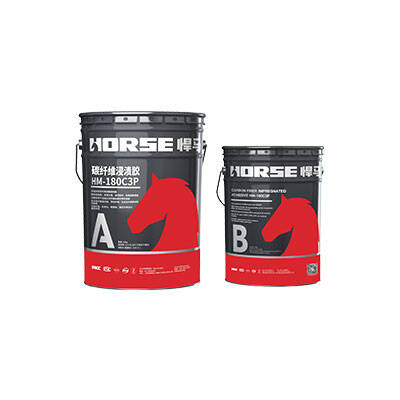
2) Độ dày của lớp keo có ảnh hưởng đáng kể đến sự căng thẳng ở giao diện giữa các tia gia cố và đĩa.
Khi độ dày của lớp dính tăng từ 2mm đến 4mm, áp lực kéo giao diện giảm và độ dài truyền tải hiệu quả tương ứng giảm đi. Khi độ dày của lớp keo tăng lên 6 mm, áp lực kéo giao diện tăng lên, và độ dài chuyển tiếp cũng tăng phù hợp.
Bạn có thể tìm thấy mọi thứ bạn cần ở đây. Hãy tin tưởng và thử nghiệm các sản phẩm này, bạn sẽ thấy sự khác biệt lớn sau đó.

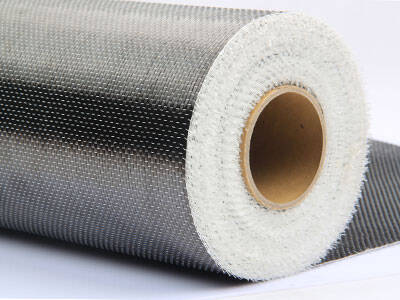
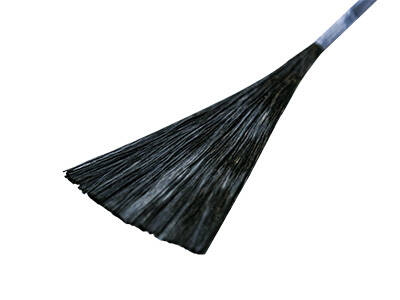
Lớp bọc sợi carbon đơn hướng, cường độ cao được bão hòa trước để tạo thành lớp bọc polyme gia cường sợi carbon (CFRP) dùng để gia cố các cấu kiện bê tông kết cấu.

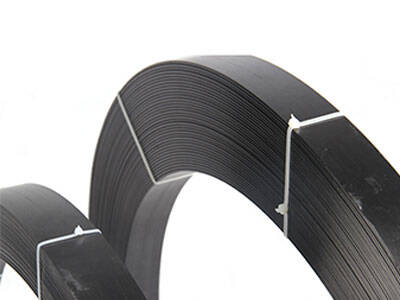
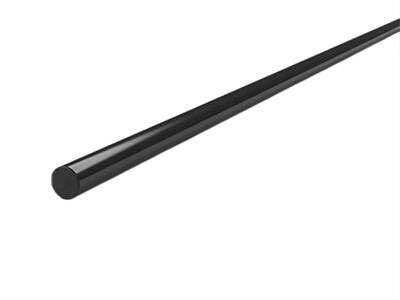
Dải / tấm polyme gia cường sợi carbon (CFRP) cường độ cao để gia cố kết cấu và sửa chữa bê tông

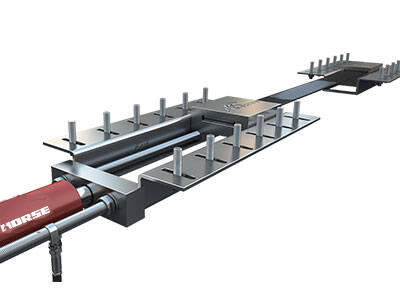
Tấm polyme gia cường sợi carbon (CFRP) ứng suất trước dùng để gia cố sàn, dầm nhằm tăng độ cứng, giảm biến dạng và độ võng của các cấu kiện, giảm vết nứt, tránh và ngăn ngừa nứt.
