


 Ngôn ngữ: Vietnamese











Giải pháp
Horse Construction cung cấp đầy đủ các loại vật liệu gia cố kết cấu với hỗ trợ kỹ thuật, hỗ trợ tài liệu, hỗ trợ sản phẩm, hỗ trợ phần mềm, hỗ trợ dự án.
Tấm vải cacbon có sẵn trên cầu
Dự án Overview
Một cây cầu có tổng chiều dài là 456.91m, chiều rộng một cây cầu 23m, một đường cao tốc cao tốc 2 chiều 4 dặm, và một đường cao tốc hạng nặng. Phần trên của bộ thắt lưng cầu là một bê tông dài 25m đơn giản là hỗ trợ T-beam, bê tông bê tông sàn cầu, bề mặt đường dốc từ đỉnh giữa đến 2% ở cả hai bên, dây nối mở rộng Mauler và hướng cao su đĩa. Phần dưới là cầu đôi và cầu nhẹ. Sau 16 năm phẫu thuật, cây cầu đã bị hư hại nhiều mức độ khác nhau. Trong các cuộc kiểm tra thường xuyên vào tháng 9 năm 2011, người ta phát hiện ra rằng một số T-beams đã chịu đựng sự nứt nứt rìa, sự lệch hướng, sự giảm hình dạng bê tông bê tông, sự giãn nở của thanh sắt, sự nứt vỉa hè và động đất. Dữ liệu theo dõi cho thấy cái bị hư hại nhiều nhất là tia 1# Sự căng thẳng do căng thẳng do áp lực từ 1/3 số lượng hỗ trợ đến vùng thấp hơn của vùng giữa, không đáp ứng được nhu cầu kháng thuốc nứt, và một số bệnh đã phát triển nhanh chóng.Xu hướng cho rằng việc củng cố những cây cầu không thể chậm trễ. Thấy con số 1 cho phần cầu 1/2.

Đĩa sợi cacbon căng thẳng kế hoạch cưỡng chế
Tia 1#, 2# tia sáng và 3# là của loại bệnh chung 3 T tia. Sau khi so sánh các kế hoạch khác nhau, họ quyết định dùng các sợi cacbon đã được căng thẳng để củng cố.
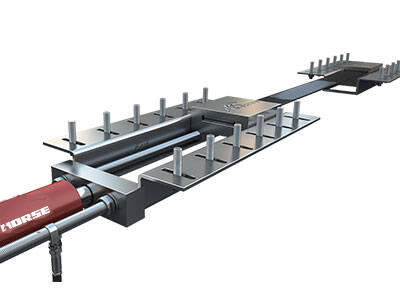
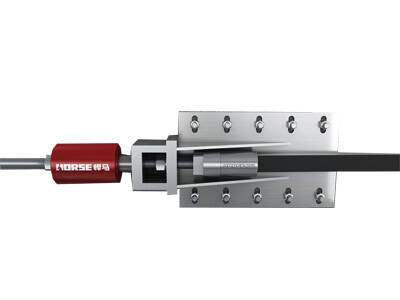
Thứ nhất, sửa chữa những vết nứt và những thiệt hại địa phương bằng hồ sữa acrylic hoặc bê tông bằng đá acrylic. Sau đó, xà 1# 2x và 3 xà bị hư hại nghiêm trọng được gia cố bên ngoài bằng các tấm sợi cacbon bị rối loạn. Áp suất kiểm soát căng thẳng của tấm vải cacbon trước đó là 960 MPa, lực căng là (0.4 X 2 40×200) N =192 kN, đặc trưng của các sợi cacbon (trung bình×thickness) là 100 mm×2 mm, và chiều dài là 21 m, sắp xếp ở cả hai phía của chùm tia ở khoảng cách 100 mm từ đáy của chùm, sử dụng một đầu để được căng thẳng cùng một lúc, sự mất mát trước đó là 10% đến 15% độ căng thẳng kiểm soát.


Để kết thúc
(1) Bộ sợi cacbon bị căng thẳng củng cố cấu trúc cầu có sẵn với một số thiệt hại và bệnh tật, có thể giảm đáng kể căng thẳng ở dưới cùng của chùm cáp được gia cố, và hiệu ứng củng cố rõ ràng. Ngoài ra, sự kết nối giữa toàn bộ cây cầu có thể làm tăng khả năng chịu đựng của phần chưa được điều khiển của chùm tia tới một mức độ nhất định, dẫn đến một hiệu ứng tổng thể tốt.
(2) Cầu bê tông được tăng cường với tấm vải cacbon căng thẳng, có những mức độ căng thẳng căng thẳng khác nhau dọc theo các phần dài, ngang và thẳng đứng của miếng sợi cacbon và các thành phần bê tông, có xu hướng làm lớp sợi cacbon bóc ra khỏi bề mặt bê tông. Việc xử lý thiếu thận trọng sẽ gây thiệt hại thứ hai cho cấu trúc, vì vậy cần phải có biện pháp để ngăn chặn nó.
Bạn có thể tìm thấy mọi thứ bạn cần ở đây. Hãy tin tưởng và thử nghiệm các sản phẩm này, bạn sẽ thấy sự khác biệt lớn sau đó.

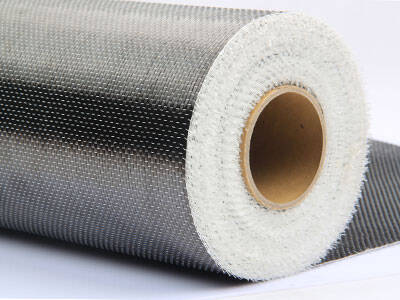
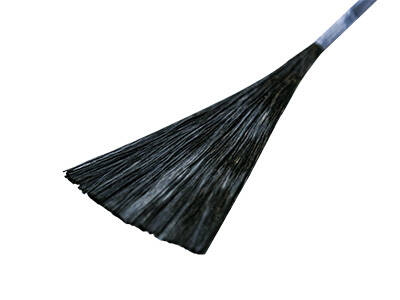
Lớp bọc sợi carbon đơn hướng, cường độ cao được bão hòa trước để tạo thành lớp bọc polyme gia cường sợi carbon (CFRP) dùng để gia cố các cấu kiện bê tông kết cấu.

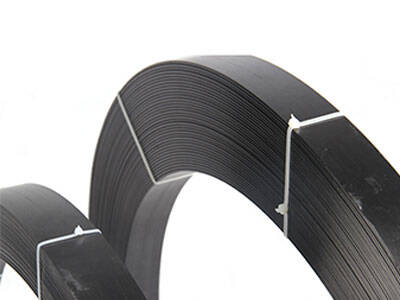
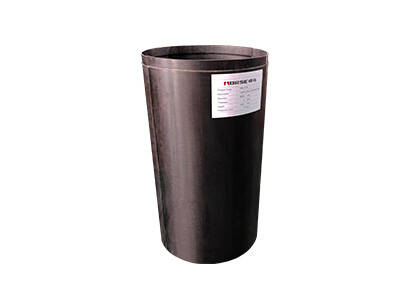
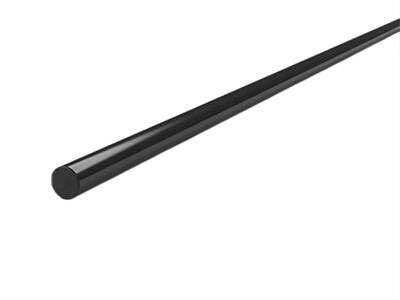
Dải / tấm polyme gia cường sợi carbon (CFRP) cường độ cao để gia cố kết cấu và sửa chữa bê tông

Tấm polyme gia cường sợi carbon (CFRP) ứng suất trước dùng để gia cố sàn, dầm nhằm tăng độ cứng, giảm biến dạng và độ võng của các cấu kiện, giảm vết nứt, tránh và ngăn ngừa nứt.
