


 Ngôn ngữ: Vietnamese













Giải pháp
Horse Construction cung cấp đầy đủ các loại vật liệu gia cố kết cấu với hỗ trợ kỹ thuật, hỗ trợ tài liệu, hỗ trợ sản phẩm, hỗ trợ phần mềm, hỗ trợ dự án.
Tăng cường cấu trúc

1 Nguyên tắc cơ bản của Tăng cường cấu trúc công nghệ
1.1 Những đặc điểm của cấu trúc được củng cố
Sự căng thẳng của thành viên được củng cố khác với sự căng thẳng của thành viên trong cấu trúc ban đầu, và phần lớn các phương pháp củng cố lại là căng thẳng phụ. Chúng ta có thể thấy điều này qua luật Hooke' luật chỉ khi các thành viên cấu trúc được thêm vào sau này được nén hoặc kéo dài hoặc biến dạng, vật liệu mới này tạo ra căng thẳng trước khi làm việc với các thành viên gốc. Vì thế, trong quá trình chất lên sau đó của thành viên được tăng cường, sự căng thẳng của tài liệu mới được thêm vào luôn làm giảm sự căng thẳng tích lũy của thành viên ban đầu. Khi thành phần ban đầu đạt đến giới hạn của sự căng thẳng, sự căng thẳng vật chất của phần mới được thêm vào tương đối thấp, và dễ gây thiệt hại từng phần một.Do đó, thiết kế làm vững mạnh không thể hoàn toàn tương đương với thiết kế mới, và cần phải xem xét tính cụ thể của thiết kế này, và phải có những biện pháp thích hợp như việc dỡ dỡ hàng để làm cho phần vật chất mới và cấu trúc nguyên thủy làm việc chung với nhau để bảo đảm sự an toàn của cấu trúc.
1.2 Các biện pháp mới được thêm vào hợp tác với các thành phần ban đầu
Việc xử lý bề mặt liên kết của các cấu trúc mới và cũ là một trong những yếu tố then chốt cho sự thành công hoặc thất bại của dự án củng cố. Phần lớn bề mặt liên kết mang lực kéo và lực căng.Do đó, bề mặt liên kết có chịu đựng được và truyền tải phần này của sự căng thẳng hay không là bí quyết để làm tăng sức mạnh.
Lấy các phần mở rộng phương pháp như một ví dụ, các yếu tố chính ảnh hưởng đến sự truyền tải căng thẳng của các bề mặt mới và cũ là sức mạnh bê tông, độ hỗn độn của bề mặt khớp, sự sử dụng các tác nhân giao diện, và thiết lập của việc điều chỉnh các xương sườn.
2 Những lý do và mục đích củng cố cấu trúc
Những lý do chính để củng cố cấu trúc là:
(1) Những sai sót trong thiết kế và cấu trúc;
(2) Xây dựng mới;
(3) Thiên tai, ngọn lửa, vân vân.;
(4) Độ bền cấu trúc bị giảm;
5) Việc xây dựng được bảo vệ.
Trong số đó, việc xây dựng lại các tòa nhà và điều trị khuyết tật về cấu trúc là những vấn đề thông thường nhất trong việc sửa chữa các tòa nhà hiện có. Việc nâng cấp các tòa nhà hiện tại chủ yếu bao gồm: xây dựng nền nhà, xây dựng lại, xây dựng lại và mở rộng dự án tăng cường và thay thế, công nghệ định vị, sửa đổi độ nghiêng, công trình xây dựng và điều trị tăng cường, vân vân.
Mục đích của việc củng cố cấu trúc chủ yếu là để tăng cường sức mạnh, sự cứng rắn và sự ổn định của các thành viên trong cấu trúc, để đảm bảo sự an toàn của việc biến đổi cấu trúc và điều trị đột phá, để kéo dài tuổi thọ của công việc, và để đảm bảo cấu trúc có thể hoạt động đáng tin cậy.
3 Nguyên tắc căn bản về cấu trúc được củng cố
Để chắc chắn rằng việc củng cố cấu trúc là an toàn và đáng tin cậy, hợp lý về kinh tế và duy trì chất lượng và số lượng, các nguyên tắc căn bản sau đây phải được tuân theo:
(1) Trước khi có cấu trúc vững mạnh, cần phải đánh giá đáng tin cậy về cấu trúc.Theo báo cáo đáng tin cậy, hãy xác định thiệt hại về cấu trúc, sức mạnh về cấu trúc, thiết kế làm vững mạnh đời sống và dịch vụ, đồng thời làm rõ phạm vi và nội dung được củng cố.
(2) Hãy cố gắng tránh những thành phần ban đầu càng nhiều càng tốt hoặc giảm bớt sự tẩy chay.
(3) Công thức hóa một kế hoạch bổ sung hợp lý và hữu hiệu, rút ngắn chu trình làm tăng sức mạnh, và giảm tác động của việc củng cố công việc.
(4) Sự tăng cường về cấu trúc nên tuân theo nguyên tắc của phương pháp trị liệu đầu tiên và sau đó củng cố. Các yếu tố dẫn đến khuyết tật cấu trúc nên được loại bỏ trước và sau đó tăng cường.
5) Dưới điều kiện động đất, cần tránh những lớp yếu do sự cứng hơn của tòa nhà sau khi tăng cường, và phải tạo ra những lớp mới và những phần yếu, ảnh hưởng đến sự an toàn địa chấn.
Vậy, những thành phần mới và cũ nên đảm bảo sự kết nối đáng tin cậy, sự kết nối tốt của bề mặt liên kết, đảm bảo công việc chung và sự phối hợp căng thẳng.
( 7) Khi cần phải dùng biện pháp củng cố và dỡ bỏ, cần phải có biện pháp hỗ trợ hiệu quả để tránh bị nghiêng, nứt và sụp đổ, và cần phải chuẩn bị những kế hoạch tương ứng.

4 Lựa chọn phương pháp củng cố cấu trúc
Hiện nay, phương pháp củng cố thường dùng bao gồm phương pháp mở rộng khu vực, phương pháp tăng cường thép bên ngoài, phương pháp làm bằng thép dán, phương pháp tổng hợp vật liệu FRP, thêm điểm trợ giúp, phương pháp tăng cường tính bền, thay thế bê tông, v.v...
Mỗi phương pháp đều có ứng dụng riêng, và sự lựa chọn phương pháp tăng cường là thiết yếu cho toàn bộ dự án củng cố sức khỏe. Chúng ta nên lưu ý rằng sự tiếp sức chủ yếu là nhằm cải thiện khả năng vận hành của các thành viên trong cấu trúc, và cần phải tập trung vào ảnh hưởng của căng thẳng phụ. Sự tăng cường động lực chủ yếu là để cải thiện sự dẻo dai và sự toàn vẹn của hệ thống cấu trúc. Bí quyết để củng cố đức tin là hệ thống này được củng cố. Nói chung, chúng ta không xem xét sự căng thẳng thứ hai.
5 Ảnh hưởng của việc tải xuống công nghệ tăng cường cấu trúc
Chúng ta có thể thấy được qua nguyên tắc nhấn mạnh về sự vững mạnh của cấu trúc mà phần mới được bổ sung chủ yếu bị căng thẳng phần thứ hai, ảnh hưởng đến khả năng mang của phần mới được thêm vào, và ngay cả nguy cơ phá vỡ từng phần một, ảnh hưởng đến sự an toàn của việc tăng cường cấu trúc. Vì thế, trước khi công trình xây dựng được củng cố, việc dỡ hàng hữu hiệu là một trong những yếu tố then chốt để củng cố hiệu quả. Tính toán chịu được trọng lượng của các thành viên đã được dỡ xuống và tăng cường lên vẫn là một lực phụ, nhưng khi cấu trúc ban đầu' vật chất không thay đổi và vật chất sống được chống lại bởi hành động đảo ngược, cấu trúc có thể tính toán theo lực chính.
Có hai phương pháp chính không cài đặt, không cài đặt trực tiếp và không cài đặt. Việc trực tiếp dỡ hàng chủ yếu là để giảm tải trực tiếp trên cấu trúc, và củng cố công trình chỉ dưới trọng lượng của cấu trúc. Chuyển tải gián tiếp là áp dụng lực phản ứng trước khi căng thẳng để bù đắp hoặc giảm tải toàn bộ tải (bao gồm cả trọng lượng) cho các thành viên cấu trúc. Sau khi đã làm cho sức khỏe tốt hơn, các thành phần mới và cũ được nhấn mạnh. Loại hiệu ứng củng cố này rất rõ ràng, nhưng quá trình xây dựng tương đối phức tạp.
Việc tháo dỡ trước khi tăng cường có thể đảm bảo hiệu quả và cải thiện hiệu quả của việc củng cố cấu trúc, đảm bảo sự căng thẳng chung của các thành phần mới và cũ, và tránh hiện tượng của một người do sự khác biệt về căng thẳng.
6 Kết luận
Việc áp dụng công nghệ củng cố cấu trúc trong dự án tái thiết sẽ rất có lợi cho ngành công nghiệp xây dựng, xã hội và đất nước.Do đó, nó phải chú ý đến tình trạng tương tự của nó và phải có những biện pháp tương ứng với những vấn đề đang xảy ra trong quá trình phát triển. Các biện pháp nên được quyết định đúng đắn để đẩy mạnh sự phát triển của Trung Quốc ' ngành xây dựng.
Bạn có thể tìm thấy mọi thứ bạn cần ở đây. Hãy tin tưởng và thử nghiệm các sản phẩm này, bạn sẽ thấy sự khác biệt lớn sau đó.

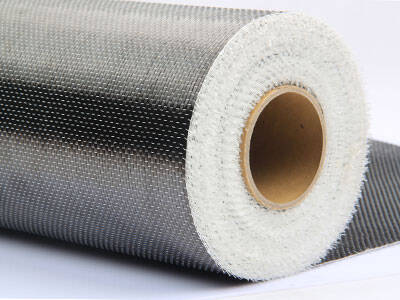
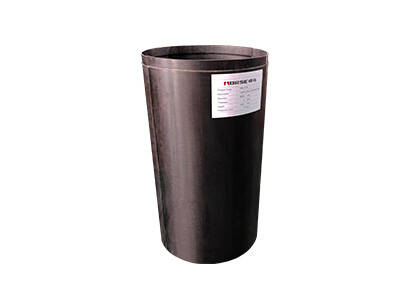
Lớp bọc sợi carbon đơn hướng, cường độ cao được bão hòa trước để tạo thành lớp bọc polyme gia cường sợi carbon (CFRP) dùng để gia cố các cấu kiện bê tông kết cấu.

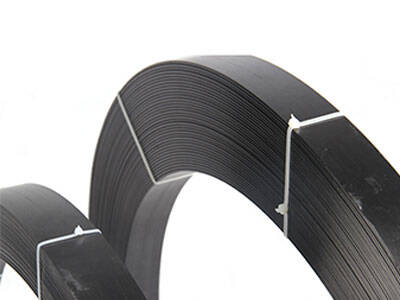
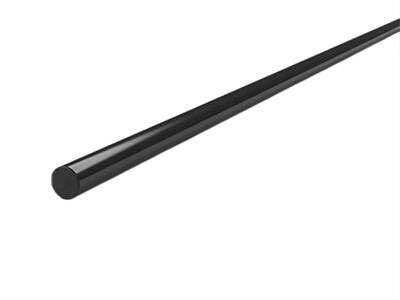
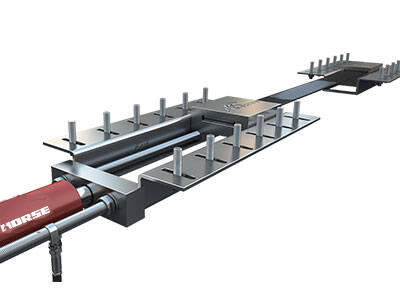
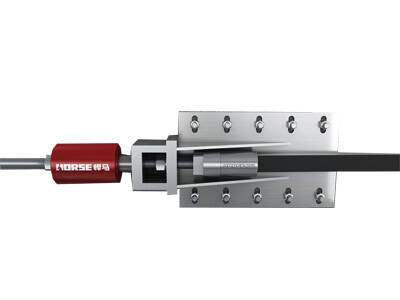
Tấm polyme gia cường sợi carbon (CFRP) ứng suất trước dùng để gia cố sàn, dầm nhằm tăng độ cứng, giảm biến dạng và độ võng của các cấu kiện, giảm vết nứt, tránh và ngăn ngừa nứt.

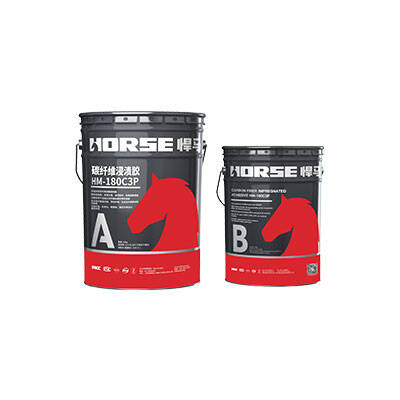
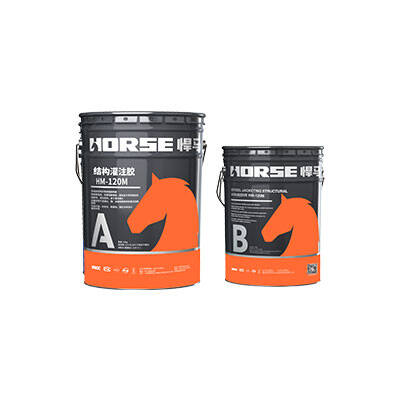
Keo phủ thép HM-120M là keo epoxy cải tiến loại mới, chuyên dùng để hỗ trợ cốt thép liên kết bằng keo. Có thể liên kết với nhiều loại vật liệu nền và kim loại, với các ưu điểm như cường độ liên kết cao, độ bền và độ bền cắt tuyệt vời, khả năng chống axit-k
