


 Ngôn ngữ: Vietnamese











Giải pháp
Horse Construction cung cấp đầy đủ các loại vật liệu gia cố kết cấu với hỗ trợ kỹ thuật, hỗ trợ tài liệu, hỗ trợ sản phẩm, hỗ trợ phần mềm, hỗ trợ dự án.
Cầu nối làm vững mạnh khu vực cổng
Việc xây dựng các dự án cảng đã đạt được thành tựu nổi tiếng thế giới cùng với quá trình cải cách và tự do hóa đất nước tôi. Là nút chính của đường nối nội bộ, cầu cảng đóng vai trò quan trọng trong hoạt động bình thường của cảng. Với sự phát triển của nền kinh tế và xã hội, dòng chảy lưu thông của những cây cầu ở những cảng tiếp tục gia tăng, và những hình thức quá tải khác nhau là chuyện thường. Những cây cầu được thiết kế lúc ban đầu có nguồn dự trữ an toàn thấp và ngày càng nhiều cầu cần được gia cố. Bài này tóm tắt kinh nghiệm trước đây của việc nối cầu tại các cảng, và tóm tắt một số phương pháp thông dụng để củng cố cầu ở những vùng cảng và những điểm cần được chú ý.
Phương pháp tăng cường phần mở rộng
Phương pháp tăng phẫu thuật cắt ngang thường được sử dụng để củng cố các bến tàu và cột cầu trong những cây cầu, như được thấy trong Hình số 1.1. Phương pháp này thường là cấy các thanh thép quanh các bến tàu và cột cầu, và sau đó tăng cường sự củng cố chính, và sau khi đổ bê tông, làm cho chúng hợp nhất với các bến tàu hoặc cột bến tàu ban đầu.
Sau khi tăng phần thành phần, trọng tải liên tục của thành phần cũng tăng lên, để cấu trúc được củng cố trở thành một thành phần tổng hợp. Chìa khóa để các thành phần tổng hợp là sự kết hợp của bê tông mới và cũ để được vững chắc và đáng tin cậy. Ngoài việc cần phải tính toán lại khả năng vận hành giới hạn chức năng và khả năng phục vụ giới hạn của các thành viên được kiểm soát, cũng cần phải xem xét lại khả năng vận hành của tổ chức. Nguyên tắc của phương pháp củng cố này tương đối đơn giản, quá trình xây dựng tương đối dễ dàng, lực lượng là đáng tin cậy, và chi phí tăng viện cũng là thấp. Tuy nhiên, phương pháp củng cố này cũng có những thiếu sót không thể bỏ qua, chẳng hạn như một thời gian bảo trì dài, có thể ảnh hưởng đến dòng lưu thông trong giai đoạn đầu của việc củng cố lại, và sự cho phép dưới cầu sẽ bị giới hạn ở một mức độ nào đó. Những yếu tố bất lợi này cũng ảnh hưởng đến tính khả thi chung của phương pháp củng cố này.
Name
Phương pháp gia cố tấm thép bằng cách dùng keo và bu lông để sửa tấm thép ở vị trí yếu của cấu trúc, để cấu trúc ban đầu và tấm thép trở thành một toàn bộ để chịu lực. Phương pháp củng cố này thường được dùng để củng cố bộ thắt lưng chính của một cây cầu. Như được thấy nơi số 2.1, phương pháp củng cố tấm thép gắn liền với các ưu điểm sau:
(1) Nó không những có thể cải thiện khả năng chịu đựng của chùm tia, mà còn cải thiện khả năng biến dạng của cây cầu sau này.
(2) So sánh với phương pháp củng cố càng ngày càng phổ biến, ảnh hưởng của nó trên không gian dưới cầu được gia cố có thể bị lờ đi.
(3) Thời gian xây cất ngắn ngủi, việc tiêu thụ vật chất là thấp, và lợi ích kinh tế hiển nhiên. Hiện nay nó là phương pháp củng cố thường dùng nhất.
Do sự đặc biệt của môi trường trong khu vực cảng, khi sử dụng phương pháp củng cố này, các biện pháp đặc biệt chống thối trên bề mặt của đĩa thép nên được thực hiện, và bảo trì thường xuyên trong thời gian sau sẽ tăng chi phí bảo trì. Vì cần phải khoan vào cấu trúc cầu nên chắc chắn sẽ gây ra thiệt hại cho cấu trúc ban đầu. Khi khoan, người ta đề nghị chọn một nơi có ít thép hơn.
Phương pháp gia cố sợi carbon
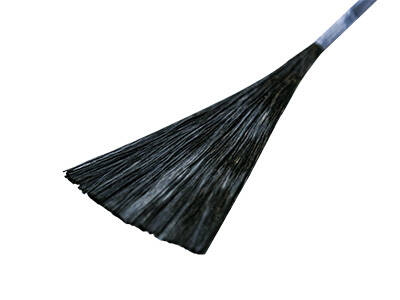
Phương pháp củng cố sợi cacbon là dán lớp sợi cacbon lên bề mặt của cấu trúc thông qua kim loại để làm cho nó thành một cơ thể tổng hợp, như được thấy trong Hình 3.1. Sức bền của sợi cacbon lớn gấp 8 lần so với thép thông thường.Qua sự tương tác giữa hai bên, khả năng uốn cong của cấu trúc được củng cố có thể được cải thiện đáng kể. Phương pháp củng cố này có một quá trình xây dựng đơn giản, một thời gian ngắn và không có thiệt hại cho cấu trúc ban đầu.
Mặc dù sợi cacbon cũ có độ bền dai rất cao, nhưng sức mạnh cắt tỉa của sợi này đặc biệt thấp. Phương pháp củng cố này không thích hợp cho cấu trúc cần cải thiện khả năng chống kéo.Do độ bền của sợi cacbon cao, khi cấu trúc chung bị phá vỡ, tốc độ sử dụng sức mạnh của nó nhỏ hơn 30%. Giá cao sợi cacbon cũng giới hạn sự phát triển của phương pháp tăng cường này.
Phương pháp củng cố bên ngoài
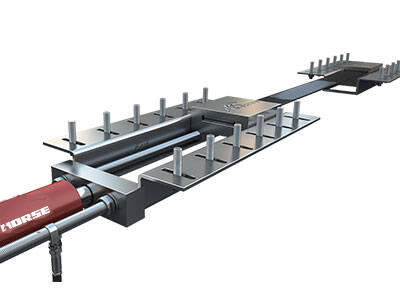
Tăng cường sức mạnh bên ngoài là bổ sung các bó thép mạnh mẽ, sợi thép, vân vân. thông qua lực bên ngoài hoạt động của prestress, để thời điểm quay ngược được tạo ra bởi tiền căng thẳng bù đắp lực bên trong của một phần tải. Bằng cách đó cải thiện khả năng vận chuyển của cấu trúc ban đầu, và có một hiệu ứng kiểm soát tốt đến sự lệch hướng. Phương pháp củng cố này được sử dụng rộng rãi trong lĩnh vực cầu và xây dựng lại.
Phương pháp tăng cường của hệ thống lực lượng cấu trúc thay đổi
Thay đổi phương pháp tăng cường của hệ thống cấu trúc cải thiện khả năng chịu đựng của cấu trúc được củng cố bằng cách thay đổi trạng thái căng thẳng của cấu trúc ban đầu. Những phương pháp sau đây chủ yếu thích hợp cho việc củng cố những cây cầu tại những cảng.
Thêm phương pháp hỗ trợ
Phương pháp tổ hợp hạt Beam
Kết luận
Khi cây cầu cũ đạt đến một đời sống phục vụ nào đó, càng ngày càng có nhiều dự án cần được củng cố. Các cầu cảng và cầu đường cao tốc bình thường nên chú ý đến sự khác biệt của họ trong lúc tăng viện. Sự lựa chọn phương pháp củng cố nên dựa trên sự phân tích toàn diện về những khía cạnh khác nhau như sự phân loại, khuyết điểm và lợi ích kinh tế. Cầu nối sẽ là một kỷ luật mới với tiềm năng to lớn trong tương lai. Nó cũng cần sự tiến bộ liên tục và tóm tắt về các nhân viên kỹ thuật. Với sự phát triển liên tục của công nghệ kỹ thuật, công nghệ gia cố trong tương lai chắc chắn sẽ tiếp tục phát triển.
Bạn có thể tìm thấy mọi thứ bạn cần ở đây. Hãy tin tưởng và thử nghiệm các sản phẩm này, bạn sẽ thấy sự khác biệt lớn sau đó.

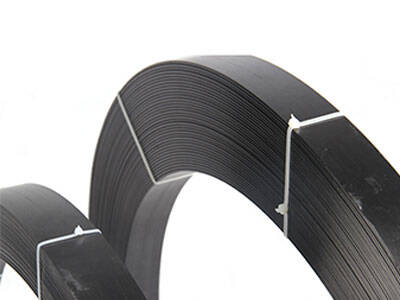
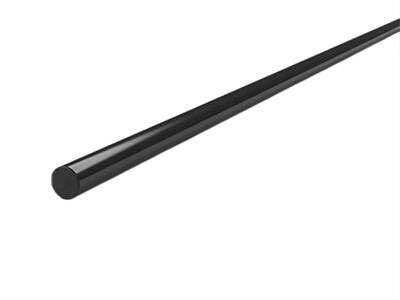
Tấm polyme gia cường sợi carbon (CFRP) ứng suất trước dùng để gia cố sàn, dầm nhằm tăng độ cứng, giảm biến dạng và độ võng của các cấu kiện, giảm vết nứt, tránh và ngăn ngừa nứt.

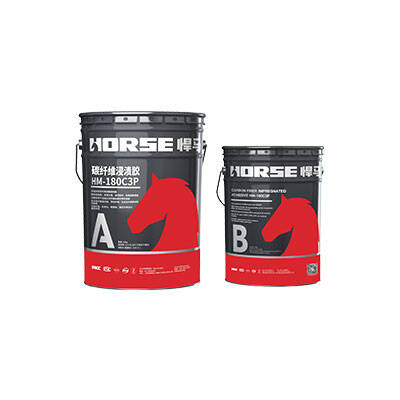
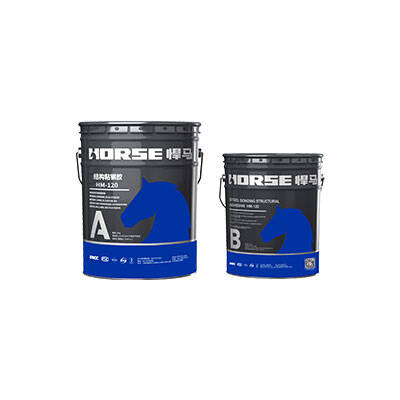
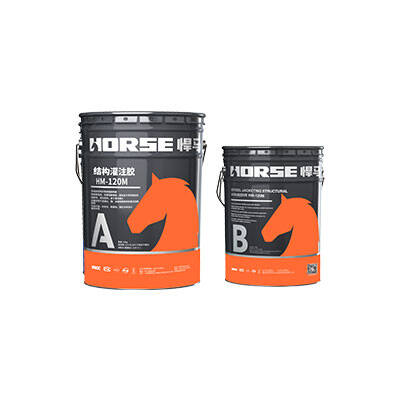
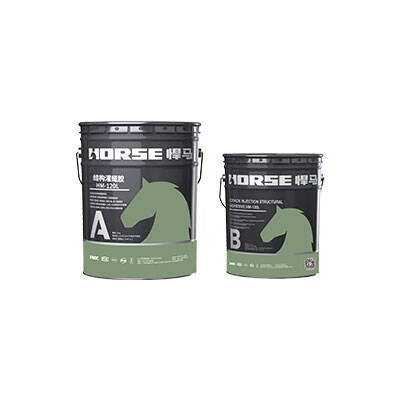
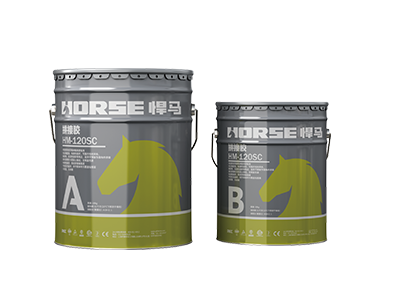
Keo liên kết tấm thép kết cấu HM-120 là sản phẩm epoxy hai thành phần, có độ bám dính mạnh, đóng rắn ở nhiệt độ phòng. Có đặc tính chống lão hóa, chống va đập tuyệt vời trong khả năng tự bám dính và bám dính lẫn nhau của thép và bê tông, với tốc độ cắt cao

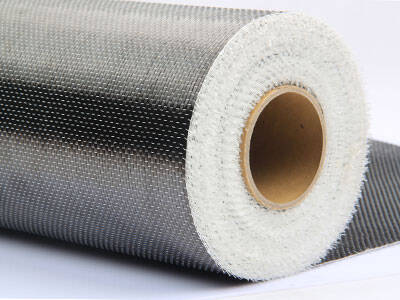
Tấm sợi carbon đơn hướng, cường độ cao được bão hòa trước để tạo thành tấm polyme gia cường sợi carbon (CFRP) dùng để gia cố các cấu kiện bê tông kết cấu.
