


 Ngôn ngữ: Vietnamese











Giải pháp
Horse Construction cung cấp đầy đủ các loại vật liệu gia cố kết cấu với hỗ trợ kỹ thuật, hỗ trợ tài liệu, hỗ trợ sản phẩm, hỗ trợ phần mềm, hỗ trợ dự án.
Ứng dụng hai khái niệm thiết kế trong việc củng cố kiến trúc cầu

Ứng dụng của hai khái niệm thiết kế trongs Tăng cường dây thần kinh của cây cầu
Cấu trúc cầu này được phơi bày trong một thời gian dài, và hiệu suất vật chất chắc chắn sẽ suy giảm dưới những vật dụng bên ngoài như xe hơi, đám đông và nhiệt độ, khiến cấu trúc bị hư hại nhiều độ. Cùng với sự gia tăng liên tục của xe cộ quá tải và quá tải, nhiều cây cầu bị áp đảo và hư hại cấu trúc là không thể tránh khỏi. Tuy nhiên, những cây cầu với cấu trúc khác nhau có những cơ chế thất bại khác nhau.Do đó, nên chấp nhận những phương pháp củng cố cấu trúc khác nhau. Hiện nay, lý thuyết củng cố cầu chủ yếu được chia thành lý thuyết củng cố tích cực và thuyết củng cố thụ động, được miêu tả như sau:
1) Tăng cường hoạt động
Tải trước hoặc thay đổi hệ thống lực ban đầu của cấu trúc bằng cách thêm hỗ trợ, để các biện pháp áp dụng sau này sẽ được nhấn mạnh cùng lúc với cấu trúc ban đầu, và đồng thời đảm nhận vai trò của việc nạp xe và các vật liệu khác. Để đạt được mục đích củng cố cây cầu, cây cầu được gọi là sự củng cố tích cực. Ví dụ, áp dụng tiền bối bên ngoài, tăng phần, thay đổi cấu trúc vòm thành một cấu trúc chùm tia, vân vân.
2) Sự củng cố động lực
Các vật liệu gia cố được áp dụng trong vùng căng thẳng của cấu trúc để bù đắp cho sự thiếu sức mạnh của cấu trúc vì bị hư hại. Đặc điểm của nó là các biện pháp mới chỉ được áp dụng cho một phần của cấu trúc ban đầu mà không đủ khả năng vận hành, và chỉ được tiếp cận với các lực nội bộ do tải và tải xe bị chết thêm, mà được gọi là sự gia cố thụ động. Ví dụ, dán đĩa thép, sửa chữa thanh thép hàn, dán vải sợi cacbon, vân vân.
Tiếp tục với khái niệm tăng cường năng lượng có thể đảm bảo lực liên kết của các biện pháp mới và cấu trúc ban đầu.Tọa độ biến dạng, nhưng do hành vi thất bại phức tạp của cấu trúc cầu, có một sự lệch lạc nào đó giữa trạng thái thực tế và phân tích lý thuyết. Đặc biệt đối với các cấu trúc trước thời kỳ căng thẳng, các lực phụ trong cơ thể gây ra bởi sự biến dạng cấu trúc và sự hủy diệt rất khó giải thích rõ ràng.Do đó, việc sử dụng những kế hoạch củng cố lại thường gây ra sự chồng chất của các lực phụ trong cấu trúc, gây nhiều ảnh hưởng tai hại hơn cho cấu trúc.
Khái niệm về sự củng cố thụ động được áp dụng để củng cố, bởi vì những biện pháp mới có hiệu quả sau cấu trúc ban đầu.Do đó, nó sẽ không gây ảnh hưởng quá nhiều đến cấu trúc hiện tại, nhưng do lực có giai đoạn, sự căng thẳng và căng thẳng của vật liệu phụ đang bị căng thẳng, và không thể tận dụng hiệu suất vật chất, dẫn đến một số chất thải.
Hiện nay, có nhiều tranh cãi về hai vòng tròn kỹ thuật lý thuyết này. Tác giả tin rằng hai thuyết củng cố này không có đúng hay sai, tốt hay xấu. Nếu nó có thể kết hợp với những đặc điểm hủy diệt và sử dụng những đòi hỏi của cây cầu, sự lựa chọn thích hợp và công nghệ hợp lý là những giải pháp thành công.
Tóm lại, bất kể lý thuyết củng cố hay củng cố công nghệ, mục đích của việc củng cố cầu nối luôn là để cải thiện cây cầu gốc và#39; mang năng lực và phục vụ là mục tiêu cao nhất. Cụ thể là, kế hoạch củng cố nên dựa trên các loại cầu khác nhau, các kỹ thuật xây dựng khác nhau, các vị trí củng cố khác nhau và kết hợp với điều kiện thực tế, chọn những phương pháp củng cố khác nhau.
Bạn có thể tìm thấy mọi thứ bạn cần ở đây. Hãy tin tưởng và thử nghiệm các sản phẩm này, bạn sẽ thấy sự khác biệt lớn sau đó.

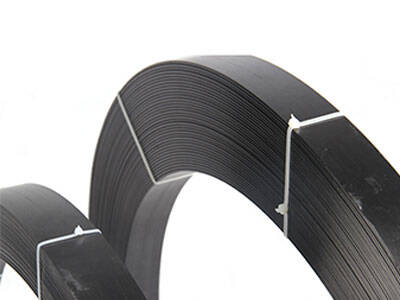
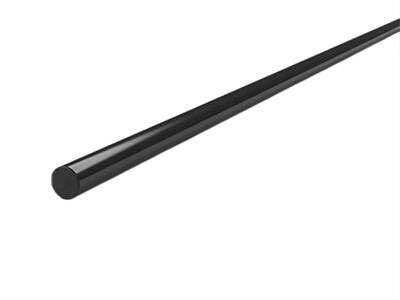
Dải / tấm polyme gia cường sợi carbon (CFRP) cường độ cao để gia cố kết cấu và sửa chữa bê tông

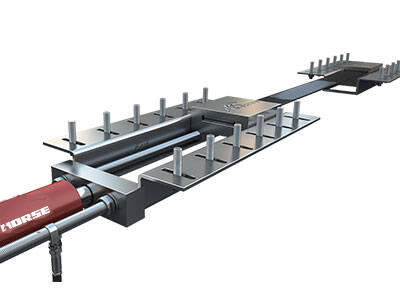
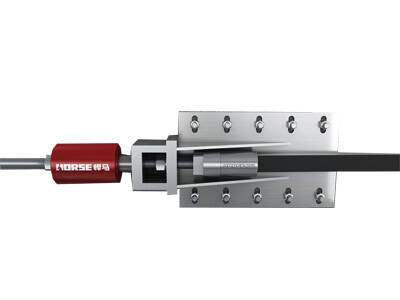
Tấm polyme gia cường sợi carbon (CFRP) ứng suất trước dùng để gia cố sàn, dầm nhằm tăng độ cứng, giảm biến dạng và độ võng của các cấu kiện, giảm vết nứt, tránh và ngăn ngừa nứt.

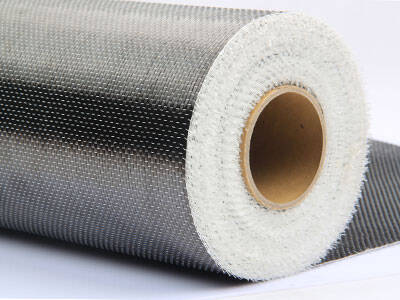
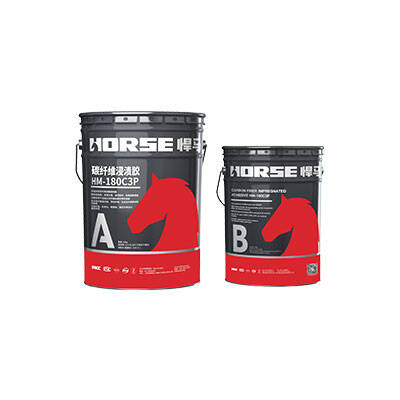
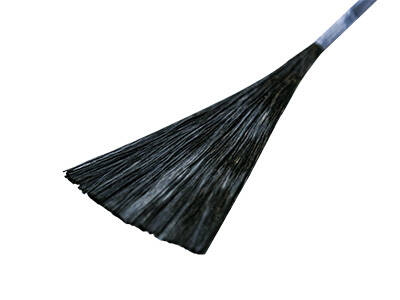
Tấm sợi carbon đơn hướng, cường độ cao được bão hòa trước để tạo thành tấm polyme gia cường sợi carbon (CFRP) dùng để gia cố các cấu kiện bê tông kết cấu.
