


 Ngôn ngữ: Vietnamese











Giải pháp
Horse Construction cung cấp đầy đủ các loại vật liệu gia cố kết cấu với hỗ trợ kỹ thuật, hỗ trợ tài liệu, hỗ trợ sản phẩm, hỗ trợ phần mềm, hỗ trợ dự án.
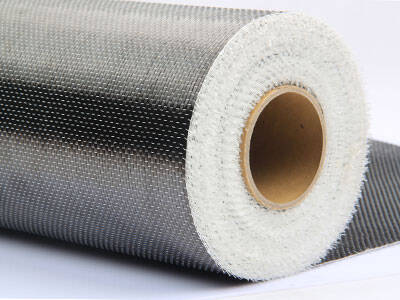
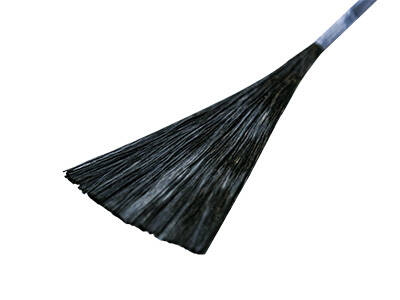
Tấm vải cacbon có sẵn

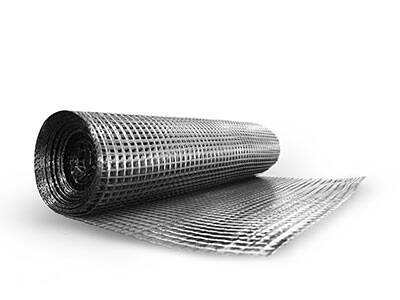
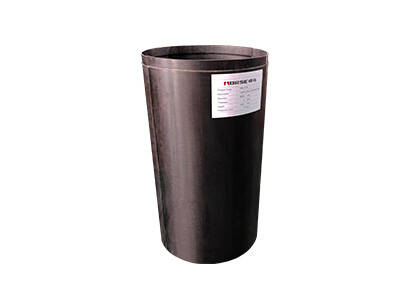
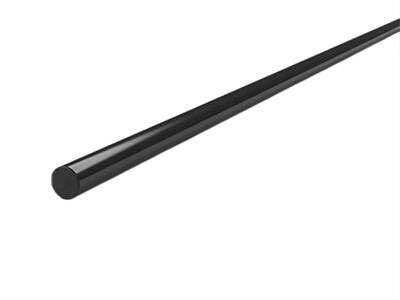
NameFRP có sẵn
Khi FRP được dùng để củng cố một thành viên bê tông, mặc dù nó mang một trọng lượng lớn, các thanh thép thường sản xuất và bê tông bị nghiền nát. Nói cách khác, chất liệu FRP không tác động mạnh đến khả năng căng của nó, và thường rút ra sớm do việc mở keo. Nếu áp dụng trước, áp lực của thanh thép và bê tông sẽ giảm, và độ lệch cũng sẽ giảm, cho phép FRP hoàn toàn cho phép chơi với tiềm năng.
Sự tăng cường thông thường của FRP chỉ có thể chịu được trọng tải trực tiếp sau khi tăng viện, và không thể chịu được trọng tải chết vào thời điểm đó, vì vậy nó được gọi là sự củng cố thụ động. Được củng cố với FRP trước đó không chỉ có thể cải thiện khả năng chịu được gánh nặng của thành phần, mà còn kiểm soát hiệu quả số lượng và chiều rộng của vết nứt, và cũng tránh được việc tách ra sớm. Tuy nhiên, do sự căng thẳng nhỏ nhất của nó (khoảng 0. 15%, nó tiêu thụ một phần của sự biến dạng trong thời gian căng thẳng, do đó mức độ căng thẳng áp dụng sẽ bị hạn chế.
Cho đến nay, nghiên cứu về tiền sản xuất FRP chủ yếu là cho phương pháp kết nối bên ngoài. Dưới những hệ thống căng thẳng khác nhau, hiệu suất của các thành phần được gia cố sẽ cải thiện sau khi tăng cường, sự chống lưng, ảnh hưởng của nhiệt độ, và chế độ thất bại. Tăng cường áp lực dự phòng không chỉ có thể làm tăng khả năng chịu đựng mà còn cải thiện hiệu suất mệt mỏi.
Phương pháp kết dính cho sự củng cố FRP trước đó có thể tránh được sự nứt ban đầu của FRP, làm tăng thời điểm nứt và đầu hàng thời điểm, và kiểm soát hiệu quả chiều rộng crack.
Mất mát nặng nề
Việc mất vật liệu CFCP trước đó đạt tới 35%. Tuy nhiên, những dữ liệu đo lường căng thẳng cho thấy rằng sự mất mát do sốc FRP không phải là lớn, sự mất đi phần đầu là 10%, và phần gần hơn với phần giữa, sự mất mát càng nhỏ, có thể truyền đạt hiệu quả tốt hơn.
Điều kiện nứt
Sau sự tăng cường của mỗi nhóm xà, bố trí nứt vào thời điểm thất bại về cơ bản giống như của chùm tia chưa được điều khiển. Tuy nhiên, trước đó đã được áp dụng, nó hạn chế số lượng và chiều rộng của vết nứt. Ở vùng giữa dãy núi, những vết nứt cong lại và “các vết nứt do tai nghe được. Tất cả các chùm thử nghiệm đều giống nhau. Những vết nứt lớn nhất xảy ra trong phạm vi khoảng 1.0m gần giữa khoảng cách
Mang theo khả năng
Những chùm tia tham chiếu mà không có bất kỳ sự củng cố nào có khả năng mang cao nhất là 255KN. Khả năng sinh sản tối thượng của xà được củng cố bởi phương pháp xếp hình thông thường là 281KN, tăng 10%. Sự thất bại bắt đầu từ việc mở keo, và khả năng mang cao nhất của chùm tia được tăng cường bởi phương pháp tập hợp trước đạt đến 293KN. Mức độ tiền căng thẳng được chia ra 5%, 20% và 30% (khoảng 5%, 20% và 30% của sự căng thẳng cuối cùng), và khả năng chịu đựng của họ tăng 11 lần.5%, 14% và 14.5%.
Sau khi căng thẳng trước chùm được gia cố, trọng tải của nó và tải sản lượng thép của thanh thép được tăng đáng kể
Để kết thúc
Phương pháp kết dính được sử dụng để tiền sản xuất CFRP để củng cố các chùm bê tông, có thể tăng khả năng dẫn tới 15%. Khi áp dụng 30% cho CFRP, nó có thể tăng hiệu quả lượng sản lượng của thanh thép, có thể tăng 9% so với việc tăng cường tia. Phương pháp kết dính trước căng thẳng củng cố các chùm tia, mà rõ ràng cải thiện hiệu suất của công trình xây dựng và ngăn chặn sự phát triển và phân phối các vết nứt.So với những chùm sáng được tăng cường, số vết nứt giảm 5-30%, và chiều rộng của vết nứt giảm xuống 22-52%. Sau khi áp dụng tiền sản xuất thuốc nổ cho CFRP, độ bền của vật liệu có thể được sử dụng hoàn toàn, và chỉ khoảng 60% lực căng tối đa của nó có thể được sử dụng mà không cần phải bị căng thẳng. Sau khi thêm vào sự căng thẳng, sự căng thẳng tột cùng và sức chịu đựng cuối cùng của nó được hoàn toàn tác động. Không thể phá vỡ CFRP được. Sự dẻo dai của những cây xà được tăng cường với tiền sản xuất CFRP được giảm xuống.
Bạn có thể tìm thấy mọi thứ bạn cần ở đây. Hãy tin tưởng và thử nghiệm các sản phẩm này, bạn sẽ thấy sự khác biệt lớn sau đó.

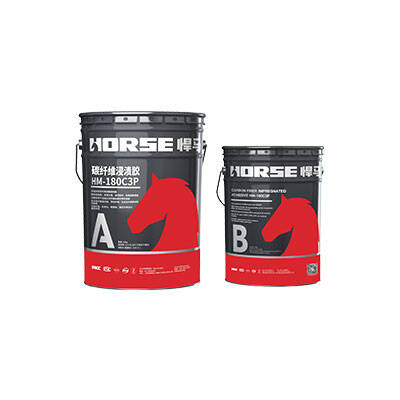
Keo dán sợi carbon tẩm tốt để ứng dụng polyme gia cường sợi carbon (CFRP) để gia cố kết cấu

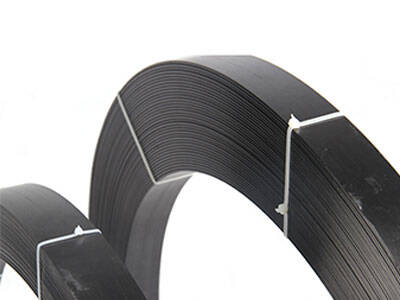
Dải / tấm polyme gia cường sợi carbon (CFRP) cường độ cao để gia cố kết cấu và sửa chữa bê tông

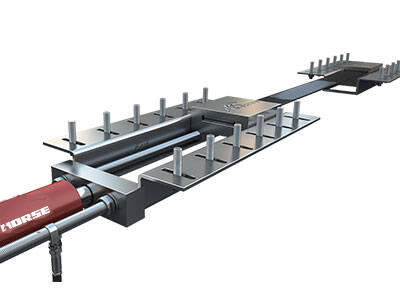
Tấm polyme gia cường sợi carbon (CFRP) ứng suất trước dùng để gia cố sàn, dầm nhằm tăng độ cứng, giảm biến dạng và độ võng của các cấu kiện, giảm vết nứt, tránh và ngăn ngừa nứt.
